





The 'Franchise QB' Burden
Every NFL team knows the weight a franchise quarterback carries. He’s not just a player; he’s the offensive identity, the face of the team, and the guy who gets the blame when things go wrong. In soccer, this is your star attacking player—the No. 10 or
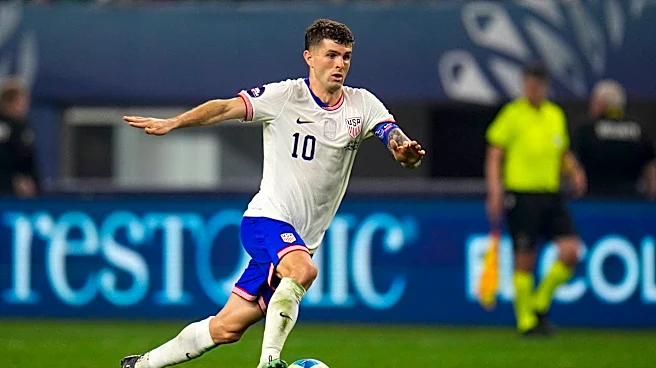
lead winger. For the U.S. Men’s National Team, that’s Christian Pulisic. When he’s on the field, the entire attack flows through him. The question for the coach isn't *if* he plays, but *how* to build the other 10 positions to maximize his talent. Just as an NFL coach designs an offense to protect and elevate his star QB, a soccer manager must ensure the team’s formation, from the midfielders who feed him the ball to the striker who plays off his movement, is built to let the star shine. If he has a quiet game, it’s the soccer equivalent of your QB throwing three interceptions.
The Rookie vs. The Veteran Dilemma
Think of the classic NFL training camp battle: the explosive rookie running back with a high ceiling versus the reliable seven-year veteran who knows the playbook inside and out and never fumbles. This debate rages constantly in international soccer, especially at the striker position. Does the manager go with the 20-year-old hotshot tearing up a European league, who could be a defensive liability but might score a wonder goal? Or does he opt for the 29-year-old who has been in big tournaments before, understands the defensive pressing system, but might have lost a step? This isn’t just about talent; it’s a philosophical choice between upside and stability. One choice signals a belief in the future and a willingness to risk mistakes for a moment of brilliance. The other is a pragmatic play for solidity and experience on the world’s biggest stage.
Finding the 'Scheme Fit'
You wouldn’t ask a 350-pound nose tackle to play edge rusher in a 3-4 defense. It’s a bad scheme fit. Soccer has the exact same principle, but it’s about tactical systems instead of formations. A manager might prefer a high-pressing, high-energy system that requires immense work rate from his forwards. In that case, a technically gifted but less mobile striker might get left on the bench for a less skilled but relentlessly energetic one. Another coach might favor a possession-based style, prioritizing midfielders who are excellent passers over those who are pure ball-winners. Fans often scream, “How is our most talented player not starting?!” The answer is often the same as in the NFL: he’s a great player, but he’s not the right player for the specific job the coach needs done.
The Value of the 'Locker Room Guy'
Every championship NFL team has them: the veteran offensive lineman, the third-string safety, or the backup tight end who is the glue of the locker room. They mentor young players, enforce the team’s culture, and provide invaluable leadership, even if their on-field stats are modest. In the pressure cooker of a month-long World Cup, this role is magnified. A national team brings together players who are rivals at their professional clubs. Having a respected veteran—often a defender or backup goalkeeper—who can unify the group, calm nerves after a tough result, and keep egos in check is priceless. Coaches will often reserve a final roster spot for this type of player, choosing character and leadership over the raw talent of a younger alternative. It’s a move that fans might question, but managers know that chemistry can be just as important as talent.
The Year-Long Position Battle
In the NFL, position battles are decided in training camp and preseason. In international soccer, they play out for two years across dozens of leagues. The competition for the starting left-back spot for the USMNT isn't decided in a week-long camp. It’s a slow-burn audition where the manager and his staff watch how Player A is performing for his club in England versus how Player B is doing in Germany. A hot streak for one can earn him a starting spot, while an injury or a dip in form for the other can see him fall down the depth chart. Every weekend of club soccer becomes a referendum on a player's standing within the national team. It’s like watching your favorite team’s cornerback competition play out in public, every single week, for the entire world to see.