



1. The Shoulder and Sleeve
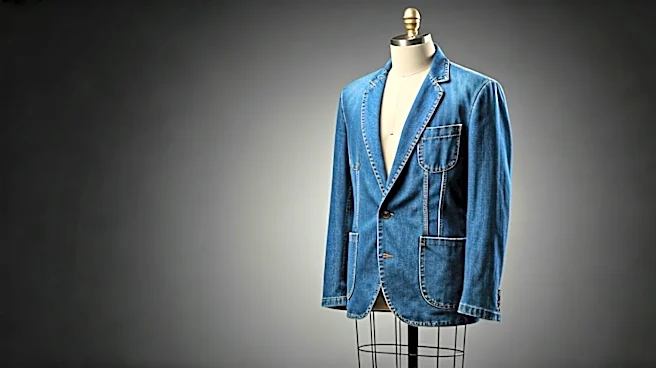
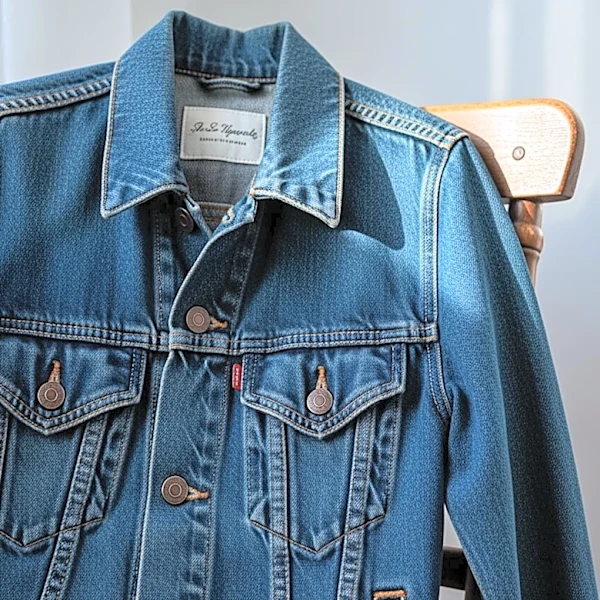
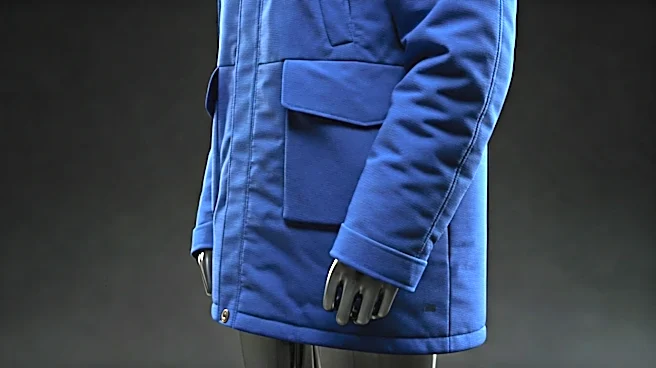
Before they even register the color or fabric, a pattern cutter’s gaze goes straight to the shoulder. This area is the foundation of a garment's fit and the ultimate tell-tale of skill. Is the shoulder seam sitting perfectly on the model’s shoulder point,
or is it drooping or pulling? Next, they check the sleeve. Setting a sleeve into an armhole is one of the most challenging tasks in garment construction. They're looking for a smooth, pucker-free join. They can spot a beautifully set-in sleeve from fifty feet away; it hangs like a natural extension of the body, allowing for movement without twisting or strain. A poorly set sleeve, on the other hand, will create drag lines, bunching, and restrict the model's walk. It’s the difference between a garment that works with the body and one that fights it.
2. How the Fabric Drapes and Hangs
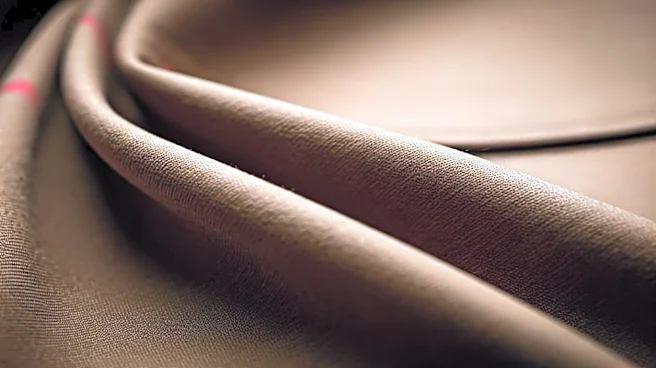
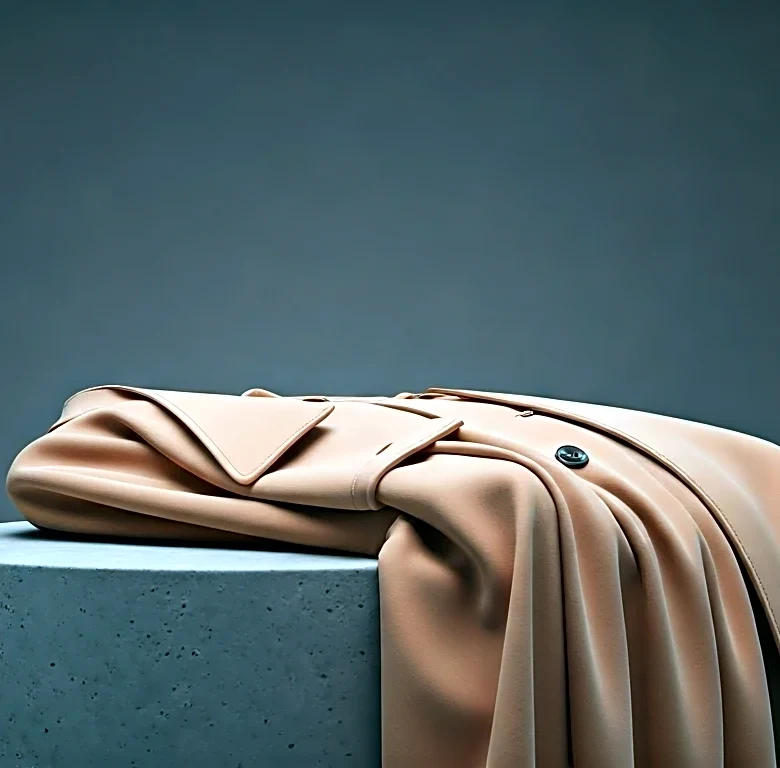
Fabric has a mind of its own, and a pattern cutter’s job is to master it. Every bolt of cloth has a grainline—the direction of the threads—and respecting it is non-negotiable for a quality garment. A pattern cutter instantly assesses if the designer has used the grainline to their advantage. They check if trousers are hanging straight without twisting at the hem, a classic sign of the pattern being cut off-grain. They analyze the drape: does a silk skirt flow and ripple with liquid grace, or does it cling awkwardly? Cutting on the bias (diagonally across the grain) creates a beautiful, fluid drape, but it’s notoriously difficult to handle. When a pattern cutter sees a perfectly executed bias-cut dress, they know they’re looking at the work of a master who understands how to shape fabric in its most challenging state.
3. The Seams and Finishes
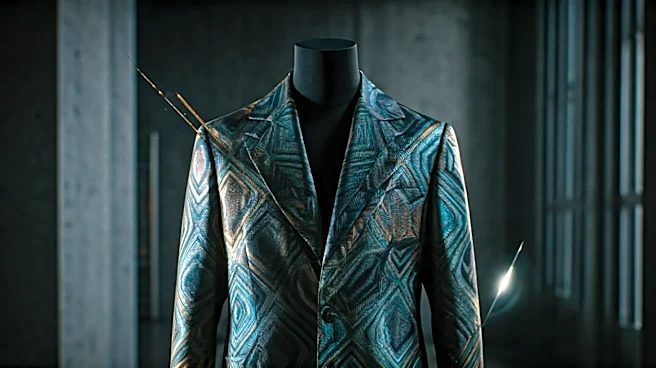
While the audience sees a cohesive whole, the pattern cutter mentally deconstructs the garment into its component parts. They are obsessed with seams. Are the seams on a plaid or striped garment perfectly matched? This tiny detail requires meticulous planning in the pattern and cutting stages and is a hallmark of high-end construction. They’re also looking for tension. Puckered seams, where the thread is too tight for the fabric, scream “rushed job.” Even from a distance, they can often tell what kind of finishing is on the inside. A garment with beautifully clean internal seams (like French seams or bound edges) will hang differently and have a more luxurious weight than one with hastily serged edges, which is typical of mass-market production.
4. Balance and Proportion
A garment has a center of gravity, just like a building. A pattern cutter is looking for balance. Is the front of the jacket hiking up? Is the back of the skirt dipping lower than the front? These are signs of a poorly balanced pattern. The garment should hang effortlessly on the body, distributed evenly from the shoulders or waist. This is especially crucial in complex, avant-garde designs. A wild, sculptural piece that looks chaotic to the average viewer might be, to a pattern cutter, a symphony of perfectly counter-balanced pattern pieces. They can distinguish between intentional asymmetry and an accidental mistake, appreciating the engineering required to make a seemingly impossible shape look weightless and correct.
5. The Way It Moves
The ultimate test for any garment isn't a static pose; it's how it performs in motion. As the model walks the long runway, the pattern cutter is conducting their final analysis. Does the coat swing with a satisfying heft? Does the dress flow and dance around the legs, or does it hinder the model's stride? Movement reveals everything: the fit, the fabric choice, and the success of the pattern. A garment that looks spectacular standing still but becomes awkward in motion is a design failure in their eyes. True elegance is dynamic. They are looking for that magical moment where the pattern, the fabric, and the human form unite to create something that is not just beautiful to look at, but beautiful to *wear*.