

A Clear, Confident Point of View
Before they even consider a single garment, editors are looking for a story. A debut collection can't just be a random assortment of pretty clothes; it needs to announce a singular vision. Who is this designer? What do they stand for? Is there an idea,
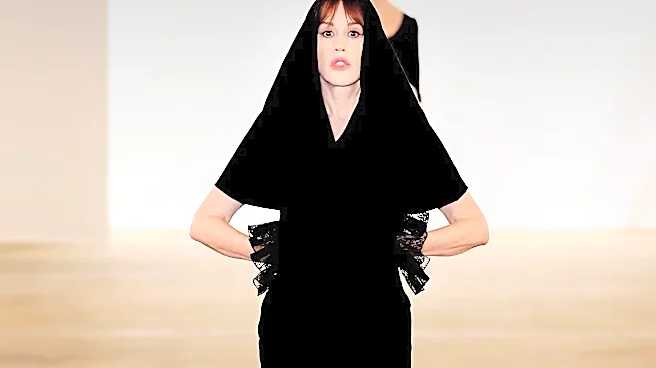
a narrative, or a unique perspective being communicated? During the most recent Spring/Summer 2027 season, critics praised newcomers who had a compelling backstory or a focused theme, whether it was inspired by historical art, personal heritage, or a subculture. For example, a collection that masterfully blends punk sensibilities with couture techniques tells a more interesting story than one that simply rehashes last season's trends. A designer who can articulate this vision, both in the clothes and in their show notes, proves they have something to say, which is the first step toward building a lasting brand.
The 'Why Now?' Factor
Fashion is a conversation with the culture. A successful debut doesn't exist in a vacuum; it feels relevant to the present moment. Editors are asking themselves, "Why is this collection important for 2026?" Does it respond to a social mood, tap into a burgeoning aesthetic, or propose a new way of dressing for our current reality? A collection that feels both modern and necessary is one that gets noticed. This doesn't mean it has to be overtly political. It could be a joyful, glamorous response to a period of austerity or a focus on practical, beautifully made outerwear for uncertain times. Designers who can capture the zeitgeist, showing an awareness of the world beyond the studio, are the ones who generate buzz and land on "ones to watch" lists.
Impeccable Execution and Craft
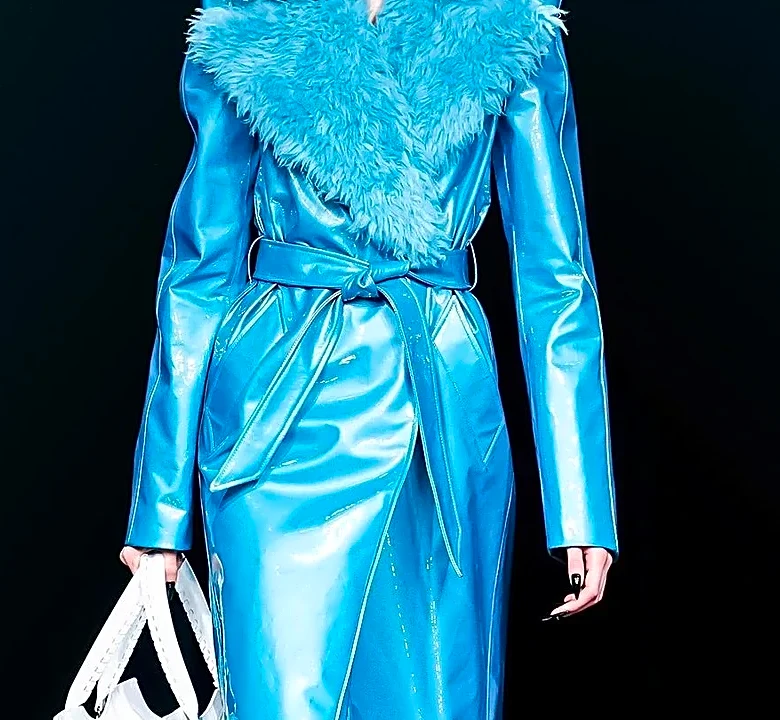
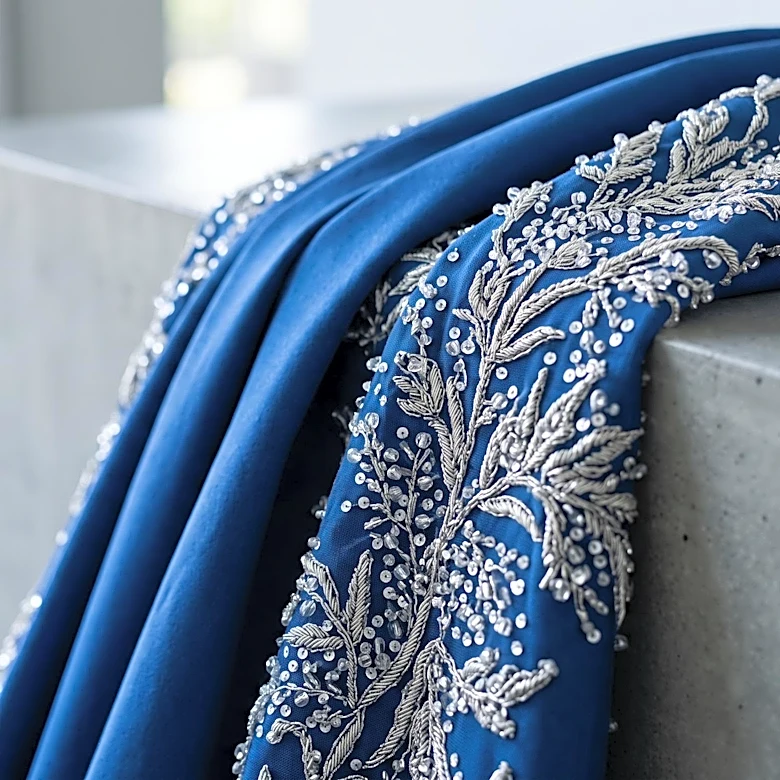
An idea is only as good as its execution. Once a strong concept is established, editors zoom in on the details. Is the tailoring sharp? Are the fabrics well-chosen? Is the finishing clean? At London Fashion Week, known for its prestigious fashion colleges, the standard for construction is incredibly high. A beautifully cut jacket, an innovative knitwear technique, or the surprising use of a particular material can make a huge impression. Even if a collection is intentionally raw or deconstructed, it must be done with intention and skill. Editors can spot poor craftsmanship from a mile away, and it's often the quickest way to dismiss a new talent. A designer who demonstrates technical prowess proves they have the skills to back up their creative vision.
Wearability and Commercial Potential
While runway shows are often theatrical, the clothes eventually need to be sold. Editors are always viewing collections through a dual lens: Is it editorially exciting, and is it commercially viable? They are looking for pieces that real people would want to wear. A collection might feature dramatic, sculptural showstoppers, but it also needs to include desirable, wearable items—a perfect coat, a versatile dress, or a standout accessory. Recent seasons have seen even major brands like Burberry and M&S emphasize this balance, grounding their runway concepts with pieces that are immediately shoppable and relevant to everyday life. A new designer who shows they understand this balance between creativity and commerce is seen as a much safer bet for retailers and investors.
The Brand Beyond the Clothes
In today's market, a fashion label is more than just its physical products. Editors are evaluating the entire package. Does the designer have a compelling personal story? Is their casting inclusive and interesting? Is the show's styling, music, and venue choice cohesive and memorable? They’re also looking at the brand's digital footprint. An engaging social media presence and a clear understanding of how to build a community are no longer optional. A designer who has built a world around their brand—one that people want to be a part of—is far more compelling. It shows they're not just a creator of clothes, but a potential cultural force.