





The Ocean as a Character
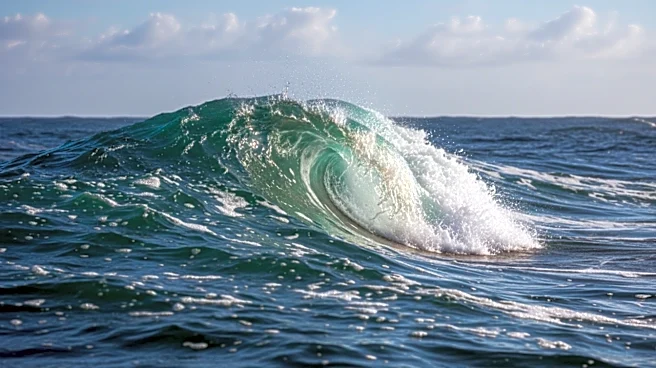
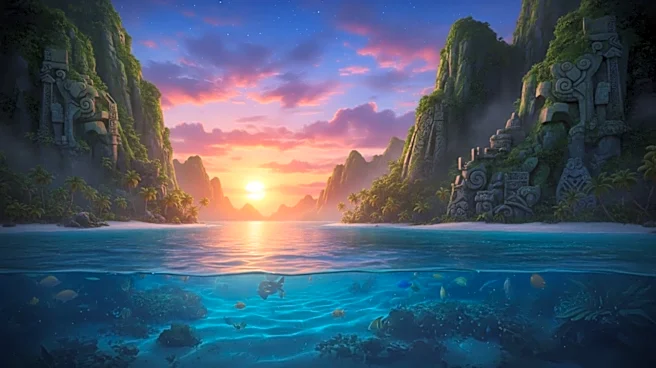
In the 2016 animated classic, the ocean isn't just water; it's a character. It's playful, protective, and has a personality as clear as any of the human (or demigod) characters, despite never speaking a word. Translating this whimsical, sentient force
into a live-action setting is arguably the film's biggest creative challenge. In animation, a wave can form a hand to high-five a toddler or part itself like the Red Sea with charming ease. In the real world, this could easily look like a generic, uninspired CGI water effect. The team, led by "Hamilton" director Thomas Kail, has to make audiences believe that this very real-looking ocean has a mind of its own without it becoming distracting or silly. It’s a delicate balance between photorealism and fantastical personality.
Maui's Larger-Than-Life Musical Number, 'You're Welcome'
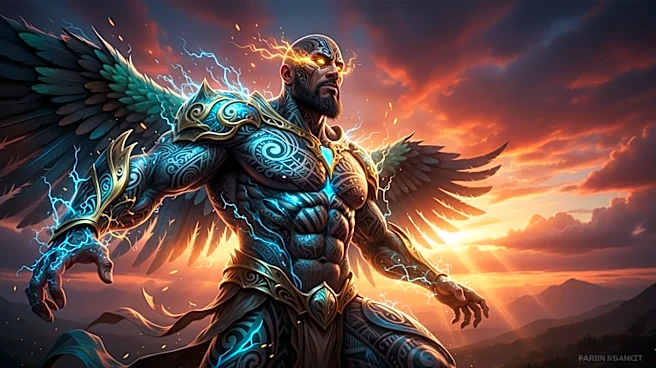
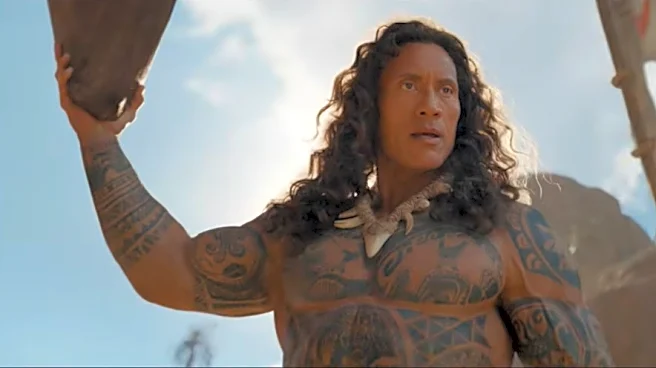
Dwayne Johnson is back as the swaggering demigod Maui, a role he was practically born to play and is now reprising in the flesh. The original "You're Welcome" sequence is a whirlwind of pure animated fantasy. Maui dances across the screen, his tattoos come to life, and the background shifts with dizzying speed to illustrate his legendary feats. It's a fourth-wall-breaking, logic-defying spectacle. Replicating this beat-for-beat is impossible. Instead, the live-action version has to find a new way to capture that energy. While some early reactions found Johnson's performance to be on autopilot, others praised his charisma. The challenge isn't just Johnson's performance, but how the film translates the visual gags and impossible physics of the original into a sequence that feels both grounded and magical.
The Kakamora Chase
Remember the tiny, vicious coconut pirates? The Kakamora sequence was a clear homage to Mad Max: Fury Road, a high-octane chase scene on the open water with miniature marauders. In animation, the absurdity is part of the fun. They are cute but deadly, a swarm of antagonists on comically small watercraft. In live-action, there's a risk this could look profoundly goofy. The new film will have to lean heavily on its visual effects to make the Kakamora feel like a genuine threat and not just a bunch of angry coconuts. The tone is key: too serious and it's ridiculous, too silly and the stakes vanish. Some early reviews have noted that highly fantastical sequences like this lose some of their magic when translated from animation to CGI-heavy "live-action."
The Bioluminescent 'Realm of Monsters'
One of Moana's most visually stunning detours is the trip to Lalotai, the Realm of Monsters. It's a deep-sea world illuminated by glowing creatures and home to the treasure-hoarding crab, Tamatoa. The animated sequence is a psychedelic, David Bowie-inspired musical number, "Shiny," performed by Jemaine Clement, who returns to voice the character. This scene lives and dies by its otherworldly visuals. For the remake, this will be an almost entirely computer-generated environment, raising the question of how "live-action" it truly is. The goal is to make the realm feel both terrifying and mesmerizing, and to make Tamatoa a compelling, narcissistic villain, not just a digital crab. Reviews have pointed to this scene, like others, as a highlight that faithfully recreates the original's feel.
The Climax: Facing Down Te Kā
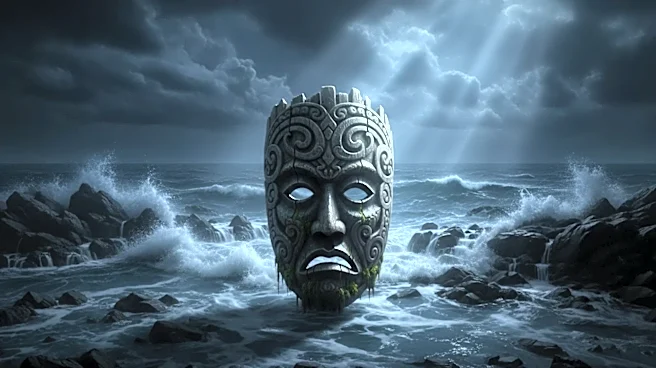
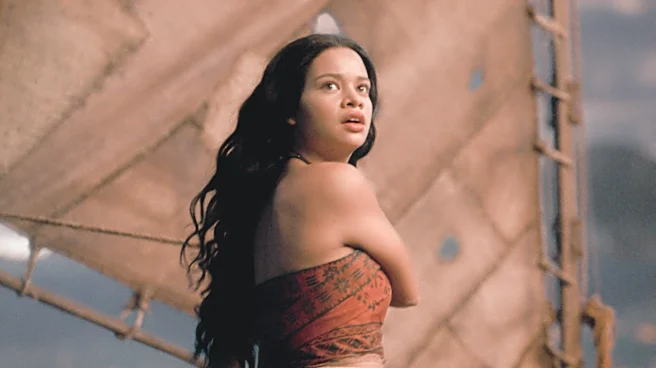
The film's emotional and visual climax sees Moana confront Te Kā, a roaring monster of lava and smoke. The reveal that Te Kā is actually a corrupted Te Fiti, the goddess of life, is the story's central emotional payoff. The scale is immense—Moana is a tiny figure facing down a colossal force of nature. Capturing that scale without the audience just seeing a human actress in front of a green screen will be a true test of the film's direction and special effects. The transformation of the lava demon back into the serene, green island goddess must feel earned and awe-inspiring. It's a moment of pure mythology that animation captured perfectly; the live-action version must find a way to make this grand-scale transformation feel just as powerful and emotionally resonant for a new audience.