



The Foundation: A Molded Base vs. a Plastic Band
The most fundamental difference lies in the very foundation. Your typical party fascinator is built on a simple, mass-produced plastic or metal headband, or perhaps a flimsy clip. It’s a one-size-fits-all solution designed to perch an accessory on your
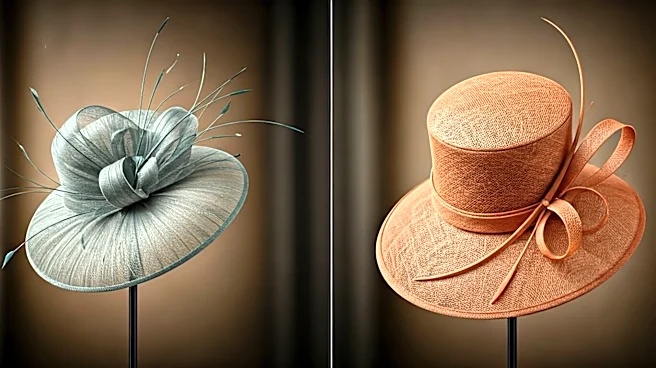
hair. A true piece of millinery, however, begins with a base that is custom-formed for the wearer’s head. Using traditional techniques, a milliner will steam and stretch materials like buckram (a stiffened cotton) or sinamay (woven from abaca plant fibers) over a wooden form called a “hat block.” This process, known as blocking, creates a lightweight, perfectly balanced, and comfortable base that conforms to the skull. It’s not an accessory sitting *on* your head; it’s a structure integrated *with* your head.
The Materials: Glue and Synthetics vs. Silk and Straw
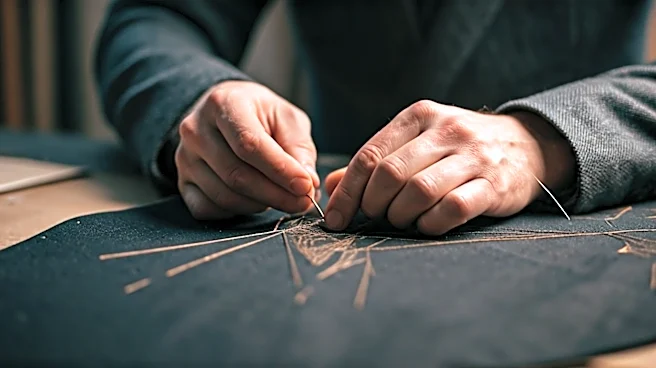
Flip over a party fascinator and you’ll likely find the tell-tale signs of hot glue securing synthetic mesh, plastic gems, and stiff, chunky polyester flowers. These materials are chosen for cost and speed of assembly, not for their beauty, drape, or longevity. A bespoke creation from a high-end milliner is a study in material excellence. Instead of glue, you’ll find invisible, meticulous hand-stitching. Instead of polyester, you’ll see hand-dyed silks, delicate French lace, and fine straws like parisisal or Panama. Feathers aren't just glued on in a clump; they are individually stripped, shaped, and curled by hand to catch the light and move with the wearer. The difference is tactile and visual—a cheap fascinator looks and feels static, while a couture hat has life and movement.
The Assembly: An Art of Balance and Sculpture
Assembling a party fascinator is a factory-line process. The goal is to attach a decorative element to a headband as quickly as possible. For a milliner, assembly is an art of engineering and aesthetics. They are creating a small sculpture that must be worn, often for hours. Weight and balance are paramount. A Royal Ascot hat, even a large, dramatic one, should feel almost weightless and completely secure. This is achieved through clever counter-balancing and discreet but strong attachments, like a fine, color-matched hat elastic hidden under the hair. Every trim, swirl, and flourish is placed with intention, considering how it will frame the face, complement the outfit, and look from every possible angle. It’s the difference between a sticker and a painting.
The Design: Trend-Chasing vs. Timeless Artistry
Fast-fashion fascinators are reactive. They mimic high-fashion trends in a simplified, low-cost form. The design is often an afterthought—a generic poof of netting or a flower pinned to a disc. A milliner, on the other hand, is a designer in their own right. They are creating a unique piece, often in consultation with the client. The design process considers the client's personality, the specific event, the cut and color of their outfit, and even their height and face shape. The final product isn't just an accessory; it’s the centerpiece of a curated look and a wearable piece of art. It’s intended to be timeless enough to be worn again or even passed down, while the party fascinator is often destined for a single, disposable use.