



The Gold Standard: Classic Swim Fabric
When you think of a traditional swimsuit, you’re picturing what the industry calls “true swim fabric.” This material is the workhorse of the waterfront, engineered specifically for performance in sun, salt, and chlorine. It’s typically a blend of nylon
and spandex (Lycra, elastane) or polyester and spandex. Nylon offers a soft, smooth hand-feel and excellent strength, while polyester is renowned for its superior chlorine resistance and colorfastness. The magic ingredient is spandex, which provides the critical four-way stretch and “recovery”—the fabric’s ability to snap back to its original shape after being stretched. This quality ensures your suit moves with you and doesn’t sag after a few wears. It’s lightweight, dries quickly, and often comes with a UPF (Ultraviolet Protection Factor) rating to shield your skin from the sun. This is the fabric of competitive swimmers, surfers, and anyone who wants their swimwear to last for seasons of serious use.
The Newcomer: Trendy Ribbed Knit
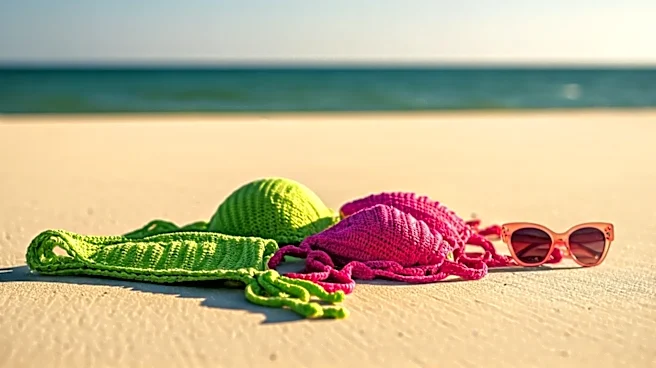
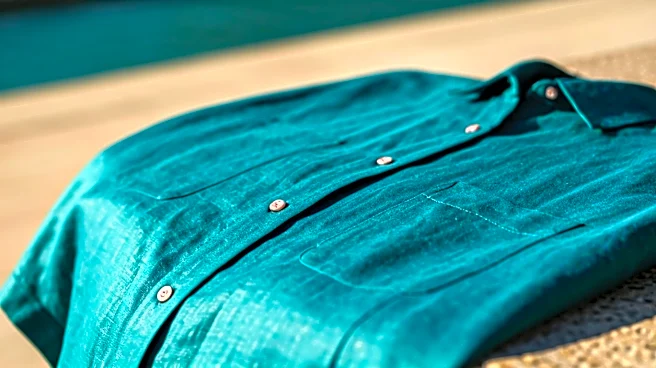
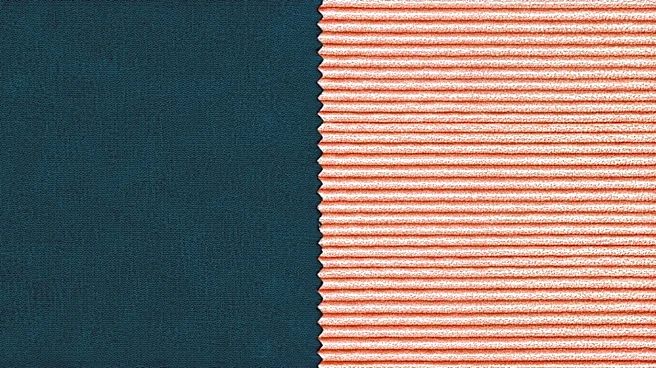
Over the past few years, ribbed swim knit has exploded in popularity, transforming swimwear from purely functional gear into a fashion statement. Visually, its defining feature is the vertical-lined texture, which adds depth and a touch of retro sophistication. This texture is created by the way the fabric is knitted. Importantly, “ribbed” describes the *structure* of the fabric, not necessarily its composition. High-quality ribbed swimwear uses the same base materials as true swim fabric—nylon/spandex or polyester/spandex blends—but knits them into that signature ribbed pattern. However, the trend has also opened the door for fashion-first blends that might incorporate materials like rayon or have a different spandex ratio to achieve a softer, more clothing-like feel. This fabric is celebrated for its comfortable, forgiving stretch and its ability to look just as good with a pair of linen pants at the beach bar as it does by the pool.
The Head-to-Head Comparison
So, how do they stack up when it really matters? The choice between them comes down to a trade-off between performance and aesthetics. **Durability & Longevity:** True swim fabric is the undisputed champion here. Its flat, tight weave is less prone to snagging on rough pool edges or pilling from friction. The raised texture of ribbed knit, while stylish, creates more surface area that can potentially catch, snag, or show wear more quickly, especially with heavy use. **Stretch & Support:** While both offer stretch, they feel different. True swim fabric provides a compressive, secure fit with excellent recovery, making it ideal for active sports like beach volleyball or swimming laps. It holds everything in place. Ribbed knit often feels softer and has more “give,” which is incredibly comfortable for lounging. However, it may not offer the same level of compression and can sometimes stretch out over time if not made with high-quality spandex. **Feel & Dry Time:** Ribbed fabric’s plush texture can feel wonderfully soft against the skin, almost like a cozy sweater. But that texture can also hold more water, leading to a heavier feel when wet and a longer drying time compared to the slick, water-wicking surface of true swim fabric.
The Verdict: Which One Is for You?
There is no single “better” fabric; there is only the better fabric for your specific needs. Think of it like choosing shoes: you wouldn’t wear stilettos for a hike, and you wouldn’t wear hiking boots to a gala. The same logic applies here. **Choose true swim fabric if:** * Your priority is performance and longevity. * You’re an active swimmer, surfer, or beach sports enthusiast. * You want a compressive, secure fit that will hold its shape for years. * You need the fastest possible drying time. **Choose ribbed swim knit if:** * Your priority is fashion, comfort, and poolside style. * Your beach days are more about lounging, sunbathing, and light wading. * You want a versatile piece that can double as a top. * You love a soft, textured feel and a forgiving fit.