
The Prequel Problem
Hollywood loves prequels, but they come with a built-in marketing headache. The audience's journey is backward, exploring 'how' something happened rather than 'what' will happen next. For Narnia, this is especially tough. The 2005 blockbuster 'The Lion,
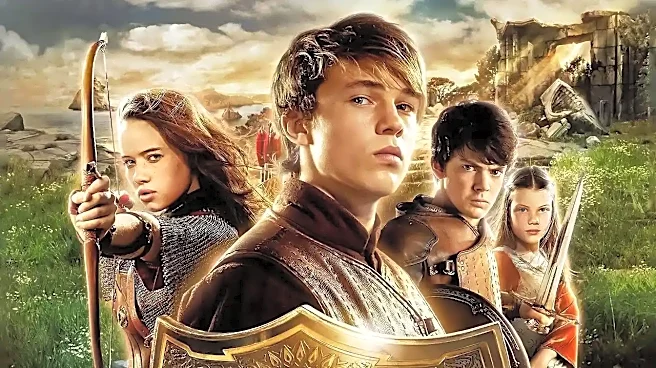
the Witch and the Wardrobe' cemented the Pevensie siblings—Peter, Susan, Edmund, and Lucy—as the heart of the story. Their discovery of a snow-covered world ruled by a terrifying White Witch is the entry point for millions. 'The Magician's Nephew', however, features none of them. It introduces two different English children, Polly Plummer and Digory Kirke, on an entirely different kind of adventure. Marketing a Narnia movie without the beloved Pevensies is like selling a 'Star Wars' story without a Skywalker in sight; you have to convince the audience to care about a new cast while knowing the old one is waiting in the wings.
A Different, Darker Magic
The magic of 'The Lion, the Witch and the Wardrobe' is one of wide-eyed wonder. It's about stepping from the mundane into the fantastical. 'The Magician's Nephew' starts in a far darker, stranger place. Its inciting incident isn't a game of hide-and-seek but the reckless occult dabblings of Digory's selfish and dangerous Uncle Andrew. Much of the early action takes place not in Narnia, but in gritty London and the dead, dying world of Charn. Charn is the birthplace of Jadis, who will later become the White Witch. We meet her not as a mysterious queen but as a desperate, tyrannical sorceress who destroyed her own world with a single, devastating word. This is heady, somber stuff—more of a grim urban fantasy than the enchanting portal adventure audiences associate with the Narnia brand. The marketing must sell this dramatically different tone without alienating families expecting the familiar comfort of the original.
The Risk of Ruining the Mystery
Part of what makes Narnia so enduring is its sense of unexplained magic. Why is there a lamp-post in a snowy wood? Who is the mysterious Professor who seems to know so much about this other world? 'The Magician's Nephew' answers these questions directly. It reveals that the lamp-post was grown from a crossbar brought from London and that the seemingly ordinary Professor Kirke is, in fact, an older Digory from the prequel. For many fans who read the books in publication order, discovering these origins later is a delightful 'aha!' moment. By starting with the prequel, as Greta Gerwig's new film series for Netflix will, the mystery is solved before it's ever presented. The challenge for marketers is to frame these revelations not as spoilers that diminish the magic, but as a foundational creation myth that is compelling in its own right. It's a delicate balance between explaining the lore and preserving the wonder.
Navigating Fan Expectations
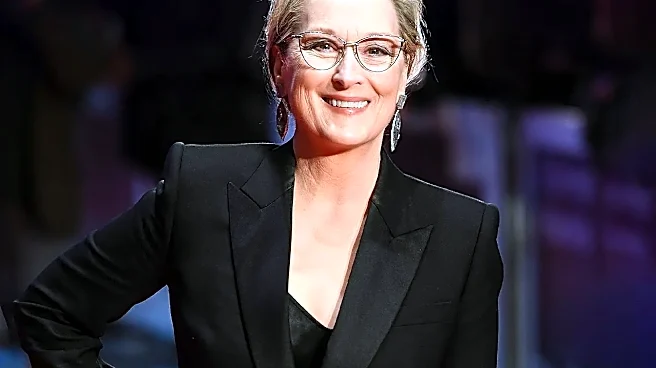
The upcoming Netflix film, set for release in early 2027, has already generated intense online discussion. Director Greta Gerwig is shifting the book's time period and has cast Meryl Streep as the voice of Aslan, a choice that has sparked debate. The film's trailer featured Led Zeppelin's 'Stairway to Heaven', signaling a distinct aesthetic that some fans feel departs from the classical feel of C.S. Lewis's work. In an era of intense fandom scrutiny, any deviation from the source material is a risk. The marketing team faces the formidable task of winning over purists who hold a specific vision of Narnia while also attracting a new, global audience that may be unfamiliar with the books' deeper theological themes. The film, with a reported budget over $200 million, represents a massive investment for Netflix, raising the stakes for its promotional campaign to successfully bridge the gap between reverence and reinvention.