






Little Miss Sunshine (2006)
Before the Cash family hit the road, there was the Hoover family. This indie darling follows a deeply dysfunctional but loving family as they pile into a bright yellow VW bus to get their seven-year-old daughter to a beauty pageant. Like Captain Fantastic,
it’s a road trip movie that uses the journey to expose the absurdity of mainstream American values—in this case, the toxic culture of children's beauty pageants. Both films champion the idea of finding victory in being yourself, even if the world thinks you’re a loser. The Hoovers, with their clashing philosophies and shared history of failure, are a perfect cinematic cousin to the self-sufficient Cashes, reminding us that family is what you make it, especially when you're all pushing a broken-down vehicle together.
Hunt for the Wilderpeople (2016)
If you loved the lush wilderness setting of Captain Fantastic, you'll feel right at home in the New Zealand bush. This film from Taika Waititi follows Ricky Baker, a defiant foster kid, and his grumpy foster uncle Hec as they become the subjects of a national manhunt after disappearing into the wild. It shares that core anti-authoritarian spirit and celebrates a deep connection with nature. While Ben Cash actively chooses to raise his family off-grid, Ricky and Hec stumble into it, but the result is the same: a powerful bond forged in isolation and a newfound appreciation for survival skills. The film is hilarious and full of heart, exploring themes of family, survival, and finding your place in the world when you feel like an outcast.
Leave No Trace (2018)
This film offers a quieter, more somber take on the same premise. It tells the story of a veteran father suffering from PTSD who lives with his teenage daughter in a vast public park in Oregon. Their illegal but idyllic existence is shattered when they are discovered and forced into social services. Where Captain Fantastic explores the philosophical choice of living apart from society, Leave No Trace examines the psychological necessity of it for its patriarch, Will. The film beautifully and heartbreakingly explores the tension between a daughter who craves community and a father who is fundamentally unable to live within the confines of modern life. It’s a profoundly empathetic and realistic look at the limits of a parent-child bond under extreme circumstances.
The Mosquito Coast (1986)
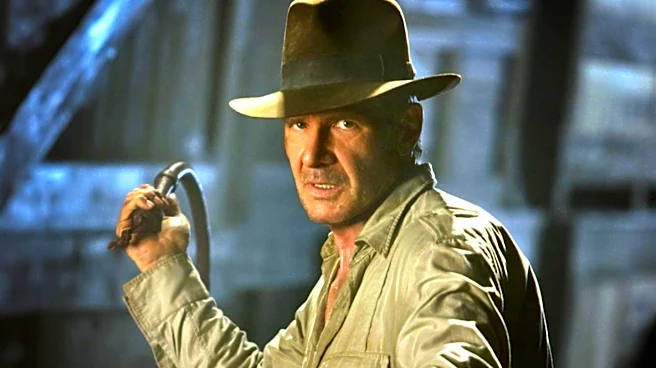
Consider this the dark, cautionary-tale version of Captain Fantastic. Harrison Ford plays Allie Fox, a brilliant but fanatical inventor who, disgusted with American consumerism, moves his family to the jungles of Central America to create a new civilization. Like Ben Cash, Allie is a charismatic and stubborn patriarch leading his family away from a world he deems corrupt. However, where Ben’s journey leads to a painful but necessary compromise, Allie’s descends into a terrifying obsession. The film serves as a powerful exploration of the dangers of unchecked idealism and the fine line between being a visionary and a tyrant. It's a must-watch for anyone fascinated by the potential dark side of utopian dreams.
Our Idiot Brother (2011)
For a lighter, more comedic take on the clash between idealism and cynicism, look no further. This film flips the script: instead of a family leaving society, an almost impossibly idealistic man, Ned (Paul Rudd), is thrust back into the lives of his three worldly and jaded sisters. After a stint in jail for selling pot to a uniformed officer, the relentlessly honest and good-natured Ned wreaks havoc on the carefully constructed, and often dishonest, lives of his siblings. He’s a different kind of outlier than Ben Cash, driven by guileless trust rather than intellectual superiority, but the core theme is the same. The film asks whether it’s better to be naively good in a complicated world or pragmatically cynical. It's a funny, charming movie that champions kindness and honesty above all else.