


Welcome to Bridal Market
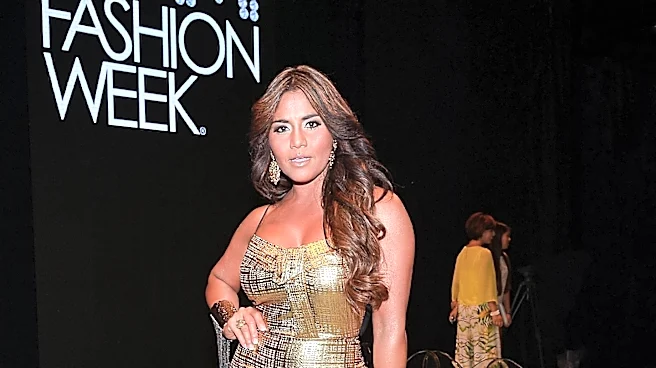
Twice a year, in April and October, the bridal industry descends on New York for Bridal Fashion Week. For a few intense days, designers unveil their new collections in runway shows and private appointments. But this isn't just about pretty dresses and champagne.
For the owners of bridal salons across the country, this is 'market'—the most critical business trip of the year. They arrive with spreadsheets, sales data, and a deep understanding of their local clientele. Their goal: to sift through hundreds of new gowns and hand-select the few dozen that will grace their showroom floor and, hopefully, capture the hearts of future brides. The pressure is immense. A single buying trip can involve a budget of $40,000 to $100,000, and one wrong bet can mean racks of expensive inventory that simply won't sell.
The Art of the Appointment
The real work happens away from the public runways, in private showrooms where buyers have appointments with designers. Here, a salon owner and her team get to see the dresses up close, touch the fabrics, and study the construction. They are not just looking for beautiful gowns; they're looking for gowns that fit their store's unique identity and their customers' specific needs. An owner from a beach town might focus on lightweight fabrics, while a buyer for a metropolitan boutique might look for more fashion-forward, architectural designs. They analyze past performance, asking which styles sold well and which were left on the clearance rack. A great buyer knows it's not about their personal taste, but about what their customer wants. A successful appointment is a strategic collaboration between the designer and the retailer to curate a winning collection.
Curation, Not Just Collection
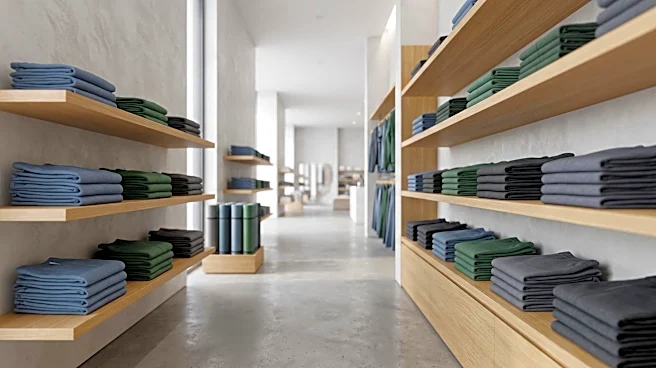
A common mistake is thinking a salon wants to carry every type of dress. The opposite is true. The best boutiques have a distinct point of view. The buying process is as much about what they say 'no' to as what they say 'yes' to. A typical buy from a single designer might only be a handful of gowns from a collection of 20 or 30. Salon owners often dedicate about 60% of their budget to proven bestsellers and trusted styles, perhaps with a new sleeve or neckline. The remaining 40% is where they take calculated risks on emerging trends they believe will resonate with their brides. This careful balance of data and intuition is what separates a great bridal salon from a simple dress warehouse. They are building a curated experience, ensuring that when a bride walks in, she finds a thoughtful selection rather than an overwhelming sea of white.
The Long Wait to 'I Do'
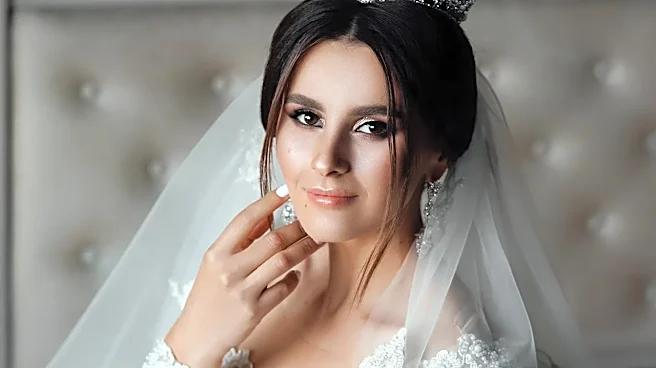
After the orders are placed at market, the waiting game begins. Bridal fashion is slow fashion; dresses are typically made-to-order. A gown seen at the October market might not arrive in stores as a sample until the following spring. Once the sample gowns arrive, the salon's team gets to work training their stylists on the new inventory. They learn the talking points, customization options, and which bride each dress is perfect for. This entire cycle—from runway debut to a bride trying on the dress for the first time—can take five to ten months. So the dress a bride says 'yes' to in a salon next summer was likely chosen by a savvy, strategic owner during a whirlwind few days many months before, all in service of that one perfect moment.