

Understanding Franchise Fatigue
First, let's define the ailment. Franchise fatigue is the cultural exhaustion that sets in when audiences are over-saturated with sequels, reboots, and interconnected cinematic universes. It’s not that people suddenly hate superheroes or car chases; it’s
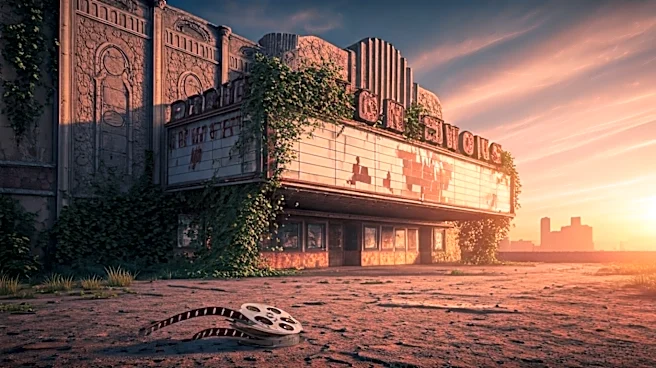
that the tenth installment in a sprawling saga starts to feel less like a must-see event and more like homework. Films like 'The Marvels' or the diminishing returns on once-unstoppable franchises are not just isolated flops; they are symptoms of a broader consumer sentiment. The magic of the shared experience fades when the experience itself becomes too predictable, too corporate, and too demanding of your long-term memory just to understand the plot. The implicit promise of a franchise—'If you liked this, you’ll love more of it'—has curdled into a threat: 'You better have seen the last six things, or you’ll be totally lost.'
The Festival Headliner Cinematic Universe
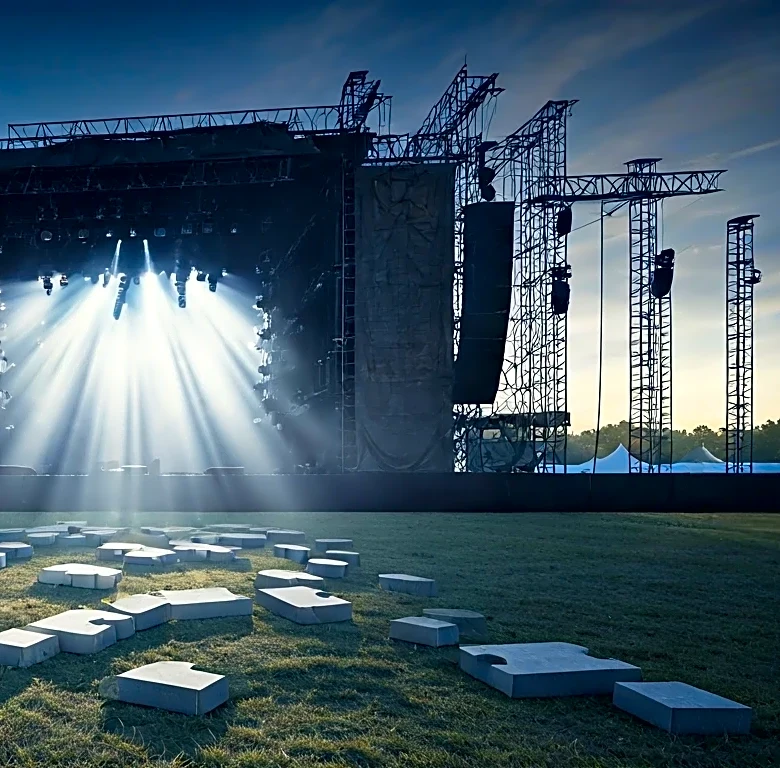
Now, swap out 'cinematic universe' for 'summer festival circuit' and 'superhero' for 'legacy rock band.' See the problem? The American music festival landscape has developed its own version of franchise fatigue, built around a rotating cast of reliable, bankable headliners. Names like Red Hot Chili Peppers, Foo Fighters, Odesza, and Post Malone have become the festival equivalent of a Marvel star—talented, popular, and booked solid. They are safe bets for promoters trying to move tens of thousands of expensive tickets. But for the dedicated fan, the person who might attend multiple festivals or even the same one year after year, it creates a powerful sense of déjà vu. When the top lines of the posters for Bonnaroo, Lollapalooza, and Austin City Limits start to look interchangeable, the unique identity of each event begins to erode. The festival stops feeling like a unique destination for discovery and starts feeling like another episode in the same long-running series.
It’s More Than Just the Headliners
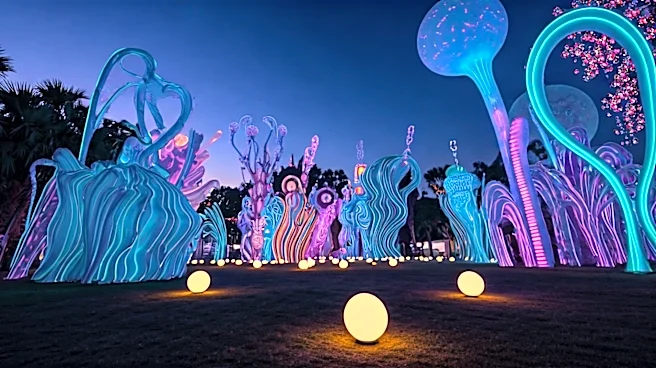
The issue runs deeper than just the names in the largest font. Franchise fatigue in Hollywood is also about the formula. Audiences can sense when a movie is a product of a committee, with every rough edge sanded down to maximize appeal. The same is true for festivals. The homogenization of the festival experience—the same sponsored lounges, the same style of Instagram-ready art installations, the same food vendor options, the same tiered VIP packages—contributes to this fatigue. Bonnaroo’s brand was built on being different. 'The Farm' was supposed to be a weird, wonderful, and unpredictable escape from the mainstream, a place where you might stumble upon a bluegrass jam with a hip-hop legend at 3 a.m. But as festivals become bigger, more expensive, and more logistically complex, the pressure to adopt a standardized, franchise-like model grows. The very weirdness that made Bonnaroo special is the first thing to get cut in the name of efficiency and scalability.
The 2026 Antidote: A Return to Discovery
So, what’s the lesson for Bonnaroo 2026 and beyond? It’s the same one that smart film studios are slowly starting to learn: originality is the ultimate currency. To combat franchise fatigue, Bonnaroo must aggressively reinvest in its own identity as a place for discovery. This doesn’t mean abandoning big headliners entirely, but it does mean taking bigger risks. It means booking a truly unexpected, once-in-a-lifetime legacy act instead of the same one that played down the road last year. It means elevating younger, genre-defying artists to prime slots. It means empowering the 'undercard'—the festival’s true soul—and creating more spaces for the kind of spontaneous, bizarre collaborations that defined its early years. The next generation of festival-goers, raised on algorithmic recommendations and endless content streams, craves authenticity and singularity. They want an experience they can’t get anywhere else.