

The Unassuming Tool Pros Swear By
At first glance, a tailor's clapper looks like nothing more than a shaped block of wood. Yet, this humble tool is a game-changer for anyone who sews, quilts, or tailors. A clapper is a solid piece of hardwood, often with grooves on the sides for an easy
grip, used to achieve perfectly flat, crisp seams without any additional stitching or complicated techniques. Originally a staple in the world of bespoke tailoring, especially for managing thick wools, its utility has made it an essential item for home sewists and quilters aiming for a polished, high-quality finish on their projects. It takes a garment from looking homemade to impeccably constructed by focusing on one of the most crucial but often overlooked steps in sewing: the press.
The Science of a Perfect Press
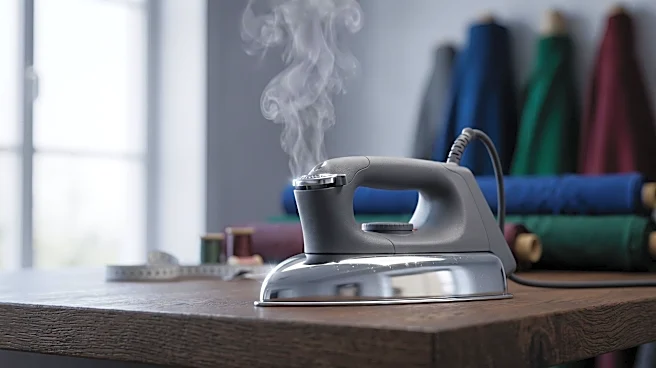
The magic of a clapper lies in a simple partnership between steam, pressure, and the properties of wood. When you press a seam with a steam iron, the heat and moisture relax the fabric's fibers, making them pliable. Normally, as the fabric cools in the open air, the fibers tend to spring back, resulting in a slightly rounded or 'puffy' seam. This is where the clapper intervenes. By immediately placing the dense block of wood onto the hot, steamy seam, you trap that heat and moisture. The wood absorbs the steam while the weight of the clapper applies firm, steady pressure. This forces the fibers to cool and set in a flat, sharp position. The result is a seam that stays flat and a crease that holds its edge far more effectively than one pressed with an iron alone.
How to Use a Clapper: A Simple Guide
Integrating a clapper into your workflow is straightforward, but timing is key to getting the best results. The tool works during the short window when the fabric is hot and malleable. Follow these simple steps for a flawless finish: First, press your seam as you normally would, using plenty of steam from your iron to relax the fibers. Make sure the fabric is damp but not soaking wet. Second, as soon as you lift the iron away, immediately place the clapper flat over the seam you just pressed. Speed is important here; you want to trap the heat and steam. Finally, apply firm, even pressure on the clapper and hold it in place for about five to ten seconds, or until the fabric underneath feels cool to the touch. Then simply lift the clapper to reveal a perfectly flat, crisp seam.
When to Reach for Your Clapper
While a clapper can improve almost any seam, it truly excels in specific situations. It is indispensable when working with thick, bulky fabrics like wool or denim, which are notorious for creating puffy seams. Quilters find it essential for getting patchwork blocks to lie perfectly flat, ensuring greater accuracy in their finished quilts. In garment sewing, it’s the key to professional-looking details like sharp collar points, crisp lapels, flat hems, and perfectly set pleats and darts. It is also a fantastic tool for delicate fabrics that might get a 'shine' from too much direct heat from an iron. By using a press cloth and then the clapper, you can achieve a sharp crease without damaging the material.
Choosing the Right Tool for the Job
Not all wood is created equal when it comes to clappers. The best ones are made from dense, heavy, close - grained hardwoods like maple, birch, oak , or cherry . This type of wood is crucial because it absorbs moisture effectively without warping or raising its own grain when exposed to steam . The clapper should be unfinished or raw , as oils or varnishes can seal the wood , preventing it from absorbing steam and potentially transferring unwanted substances to your fabric . Look for one with a comfortable grip and enough weight to apply steady pressure without you needing to push down excessively . While many shapes and sizes are available , a standard rectangular block is versatile enough for most sewing needs .