



The Universal Language of Film
At the highest level, sports are games of inches and milliseconds. The modern secret to finding an edge isn’t just having better athletes; it’s having better information. For decades, NFL teams have been legendary for their obsessive film study. Coaches
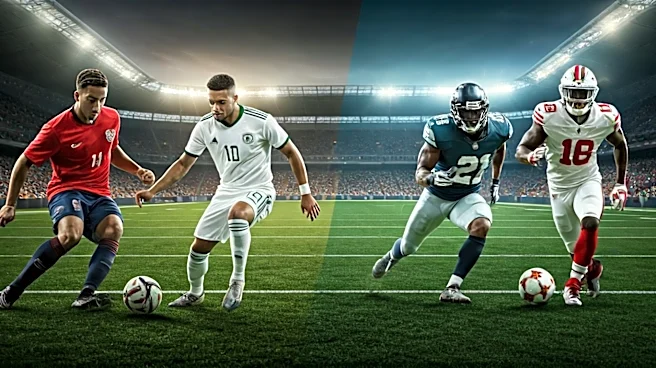
and players spend hundreds of hours in dark rooms, breaking down every snap, formation, and player mannerism of their upcoming opponent. They’re looking for tells—the subtle clues that betray intent. Does a linebacker lean forward before a blitz? Does a receiver adjust his gloves before a deep route? This granular analysis has become the bedrock of NFL game-planning. What many American fans might not realize is that the exact same obsessive culture has taken root in international soccer. The language of game tape is now universal.
Soccer’s Fluid Patterns
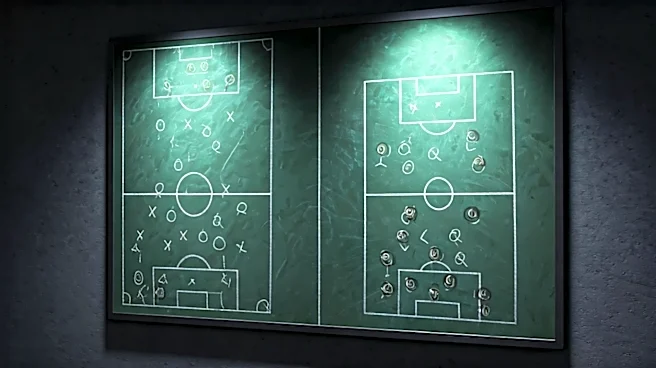
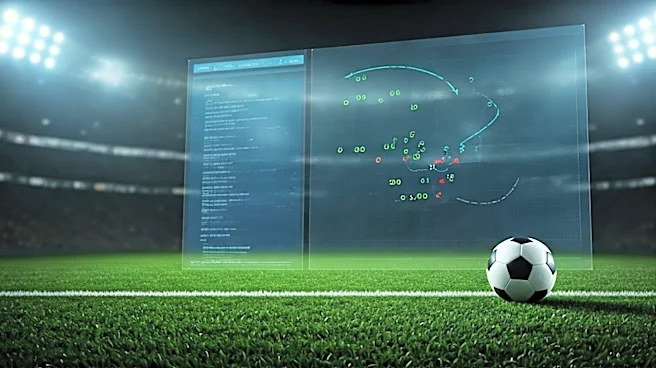
Unlike the NFL’s neatly defined downs and set plays, soccer is a game of continuous, flowing movement. This makes identifying tendencies more challenging, but no less crucial. Analysts for World Cup teams don't look for a single play; they look for patterns in the beautiful game's beautiful chaos. They chart how a team’s formation shifts when it loses possession. They identify “pressing triggers”—specific actions, like a bad touch from a defender, that signal their team to swarm the ball. They use tracking data to create heat maps, revealing which zones an opponent’s star player loves to operate in and, more importantly, where they are less comfortable. It’s less about dissecting a single play and more about understanding an entire system’s behavior, like predicting traffic flow instead of just watching one car.
The Penalty Kick Chess Match
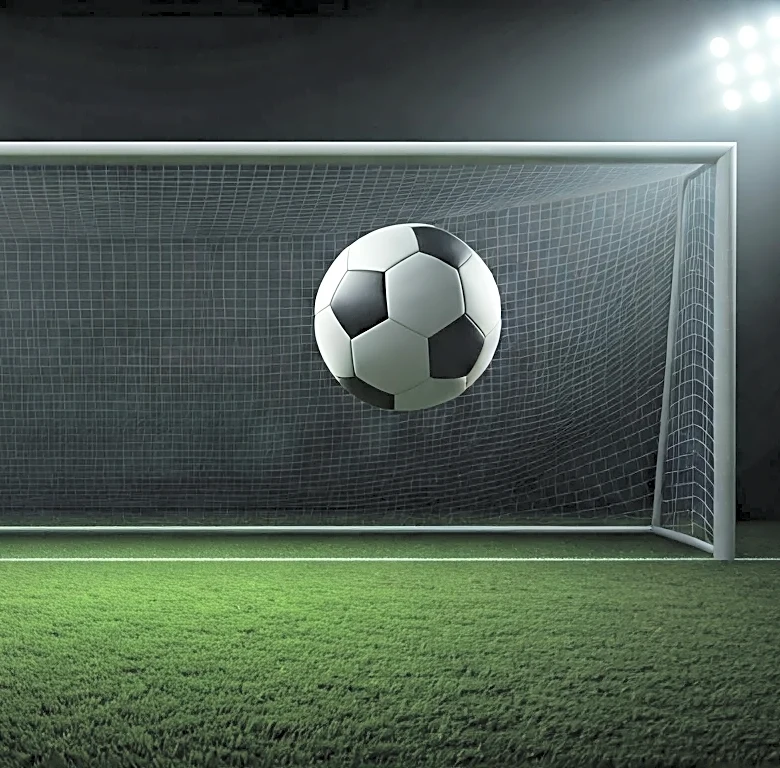
Nowhere is this preparation more visible than in a penalty shootout, the most nail-biting scenario in sports. A goalkeeper isn’t just guessing. Before a World Cup match, a team’s analytic staff will have compiled a dossier on every potential penalty taker on the opposing roster. They’ll know that a certain striker goes to the keeper’s left 70% of the time, especially in high-pressure moments. The keeper will have watched videos of the player’s run-up, looking for the angle of their hips or the placement of their non-kicking foot as clues. Famously, German goalkeeper Jens Lehmann consulted a cheat sheet tucked into his sock during the 2006 World Cup quarter-final shootout to remember the tendencies of Argentina's shooters. It’s the soccer equivalent of a catcher knowing which pitch a batter can’t resist swinging at with two outs in the ninth.
The NFL Blueprint for Predictability
This data-driven approach to one-on-one matchups is a direct parallel to the NFL. A defensive coordinator doesn't just know that a team likes to pass; they know *what kind* of pass they favor on 3rd-and-long when they’re outside of field goal range. They know which receiver the quarterback targets most when he’s under pressure from a pass rush. They chart every play from every game to build a predictive model of their opponent’s offensive coordinator. The goal is to reduce the number of surprises on game day. By studying these tendencies, a defense can anticipate the play call and be in the right position before the ball is even snapped. For both soccer and football, the goal is the same: turn a reactive situation into a proactive one.
Beyond the Eye Test
Today, this process goes far beyond a coach’s gut feeling. Technology has supercharged the hunt for tendencies. Just as the NFL has its Next Gen Stats tracking player speed and positioning, soccer has EPTS (Electronic Performance and Tracking Systems). Players wear vests with GPS trackers that measure everything from total distance covered to the number of high-intensity sprints. This data allows coaches to identify not just tactical patterns, but physical ones. For instance, they might see that a certain defender’s sprint speed drops significantly after the 70-minute mark, signaling a vulnerability to be exploited late in the game. This fusion of tactical video study and physiological data represents the new frontier in elite sports, turning preparation into a science.