







Defining the Signature Shot
While some directors are known for a specific visual flair, Richard Linklater's signature isn't a single flashy camera move. Instead, his defining technique is a philosophical approach manifested in the 'walk-and-talk.' It’s simple in concept: two or more
characters walk through a location while engaged in a long, seemingly uninterrupted conversation. The camera often tracks alongside them, creating a fluid, immersive experience that prioritizes dialogue and human connection over conventional plot. This technique makes the audience feel like a participant in the conversation, not just a spectator. The stakes aren't about explosions or chase scenes; they're about the subtle shifts in a relationship or the birth of an idea shared between two people on a city street.
The Austin Origins in 'Slacker'
The 'walk-and-talk' wasn't born in a high-tech Hollywood studio but on the sun-baked streets of Austin, Texas. With his 1990 breakout film Slacker, Linklater pioneered a new form of independent cinema. Made on a shoestring budget of just $23,000, the film drifts from one conversation to the next, following a loose chain of eccentric locals over a single day. The camera's constant, meandering movement was partly a practical choice for a low-budget production, but it perfectly matched the film's aimless, philosophical spirit. It allowed Linklater to capture the 'poetry of day-to-day life,' finding cinematic value in the ordinary and the unremarkable. Slacker proved that a film could be compelling without a traditional story, inspiring a generation of indie filmmakers who saw that character and conversation could be the main event.
The Philosophy of Realism
For Linklater, the walk-and-talk is more than a stylistic tic; it's the engine of his entire filmmaking philosophy. He consistently chooses realism over manufactured drama, focusing on what he calls the 'nowness' of a moment. His films are less about where the characters are going and more about what they're thinking and feeling right now. By letting conversations unfold in long, unbroken takes, he allows ideas and emotions to breathe. This dedication to capturing authentic human interaction is why his films feel so relatable. Characters interrupt each other, go on tangents, and articulate thoughts imperfectly, just like real people. While many movies offer escapism, Linklater's work invites you to look closer at your own life and the small, seemingly insignificant moments that shape it.
Perfecting the Form in The 'Before' Trilogy
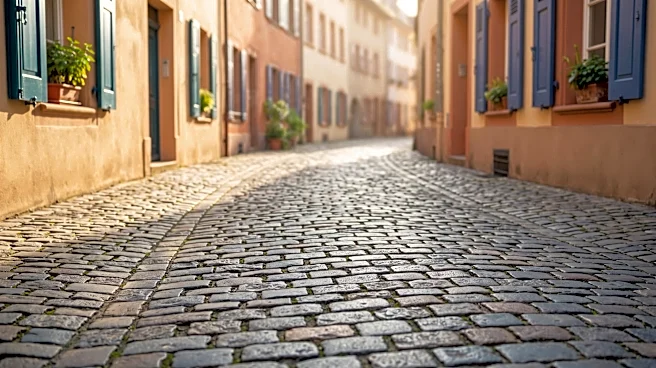
Nowhere is Linklater's signature shot more central than in the Before trilogy. The three films—Before Sunrise, Before Sunset, and Before Midnight—are built almost entirely on conversations between Jesse (Ethan Hawke) and Céline (Julie Delpy) as they walk through Vienna, Paris, and Greece. Each film uses the walk-and-talk to not only explore the beauty of its European setting but also to track the evolution of a relationship over nearly two decades. The long takes and naturalistic dialogue make their connection feel intensely real. We watch them fall in love, reconnect after years apart, and confront the messy realities of long-term partnership, all through the simple act of talking while walking. The trilogy is a masterclass in how a seemingly simple technique can sustain a narrative and capture the profound impact of time on love and life.