



The Celebrity Gold Rush
For years, the formula seemed obvious: take a household name, give them a microphone, and watch the listeners flock. And for a while, they did. Major platforms invested heavily, banking on the idea that a built-in fan base from film, TV, or social media
would translate directly into podcast success. The logic was simple market economics. Celebrities draw attention, and in a crowded field, attention is currency. This led to a boom where it felt like every actor, musician, and reality star had a podcast, turning the audio landscape into a new frontier for personal branding. But as the industry matures, the limitations of this approach are becoming clear. Fame can get a listener to press play on episode one, but it can’t make them stay for episode 100.
The Power of Parasocial Bonds
Podcasting is a uniquely intimate medium. It’s a voice in your ear during your commute, your workout, or while you’re doing chores. This creates what experts call a parasocial relationship: a one-sided but deeply felt connection between listener and host. True podcast stars aren't just entertainers; they become trusted friends. This is where chemistry becomes the killer app. When co-hosts have a genuine, dynamic, and authentic rapport, it doesn't feel like a performance. It feels like you’re being let in on a conversation. Listeners can hear when hosts are truly friends, and they can feel the awkwardness when they aren't. That authenticity is something a famous name alone can't fake, and it’s what transforms a passive audience into a loyal community.
Proof in the Awards
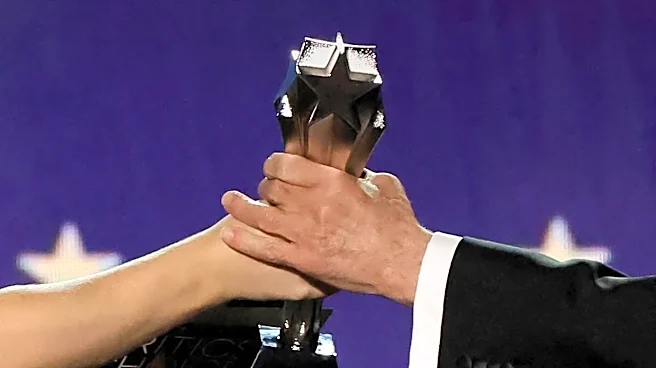
Look no further than the 2026 iHeartPodcast Awards for evidence. The coveted Podcast of the Year award went to “Giggly Squad,” a show built entirely on the friendship and hilarious banter between hosts Hannah Berner and Paige DeSorbo. This wasn't an anomaly. The award for Best Overall Ensemble was given to “The Basement Yard,” hosted by lifelong friends Joe Santagato and Frank Alvarez. While big names like Amy Poehler were nominated, the top fan-voted prize went to a show whose primary selling point is the chemistry of its hosts. Similarly, shows like “Watch What Crappens,” which won for Best TV & Film, thrive on the hosts' shared passion and witty interplay, creating a club that listeners feel a part of. These wins signal a clear listener preference for genuine connection over manufactured content.
Building a Community, Not Just an Audience
A celebrity might bring millions of followers to a new podcast, but those followers are often casual browsers, not dedicated fans of the audio format. The podcast becomes just another piece of content in their feed. In contrast, shows built on chemistry and shared interest cultivate a different kind of listener—one who is deeply invested. These are the people who join the Patreon, buy the merchandise, and show up for live events. They aren't just downloading episodes; they are joining a community. The failure of many celebrity-fronted podcasts highlights this distinction. Without the consistent effort and authentic passion required, a big name can quickly fizzle out. The podcasting graveyard is littered with shows that had a splashy launch but couldn't sustain momentum because they lacked the core ingredient of a real, compelling relationship at their center.