






The Promise of Real
In an age where audiences can spot computer-generated imagery from a mile away, Christopher Nolan offers a compelling alternative: reality. His reputation is built on a simple, powerful promise: what you’re seeing on screen, however unbelievable, was
physically there. This preference for practical effects over CGI isn't just an artistic quirk; it’s a core tenet of his brand. He believes that even the most sophisticated digital effect feels different from something captured on film, that the audience is aware on some level of the difference. This commitment creates a tangible sense of authenticity that stands in stark contrast to the weightless, video game-like quality of many modern blockbusters. It tells the audience they are not just watching a story, but witnessing an event.
From Flipping Trucks to Spinning Halls
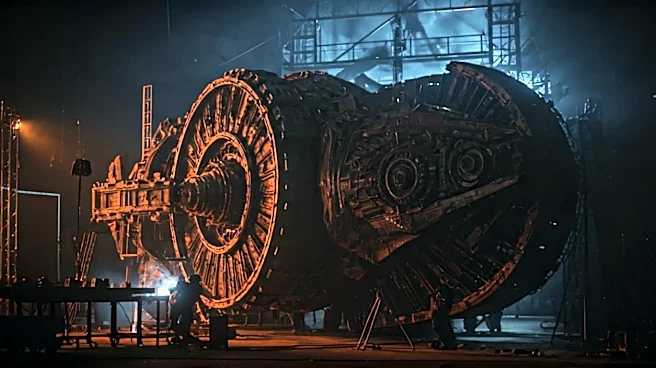
Nolan's method has been clear for years. For The Dark Knight, instead of digitally creating the Joker's iconic semi-truck flip, his team engineered a way to do it for real on the streets of Chicago using a massive piston and a TNT charge. The stunt was so complex they only had one shot to get it right. For Inception, the legendary zero-gravity hallway fight wasn't achieved with green screens. The production team built a colossal, 100-foot-long rotating set inside an airship hangar, allowing Joseph Gordon-Levitt to physically navigate a spinning environment. These behind-the-scenes stories are not mere trivia; they become part of the film's legend, generating buzz and awe long before the movie hits theaters.
Upping the Ante: A Real Plane Crash
With Tenet, Nolan took this philosophy to its most logical and audacious extreme. The script called for a plane to crash into a hangar. Instead of using miniatures or CGI, the production team ran the numbers and found it would actually be more cost-effective to buy a decommissioned Boeing 747 and crash it for real. The resulting sequence is a prime example of the Nolan method. The sheer audacity of blowing up a real plane became a major talking point in the film's marketing, with actor Robert Pattinson calling the stunt "so bold to the point of ridiculousness." The story of how they did it was as compelling as the on-screen result.
The 'Oppenheimer' Effect: An Authentic Blast
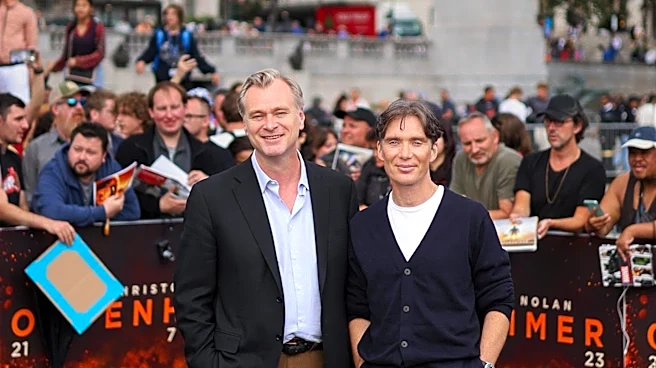
Perhaps no film illustrates this better than Oppenheimer. To depict the Trinity Test, the first detonation of a nuclear weapon, Nolan famously avoided CGI. While he obviously didn't use a real atomic bomb, his team worked for months on analog methods and chemical concoctions to create a practical explosion that could convey the terrifying beauty and threat of the real thing. The pre-release marketing was dominated by this fact: Nolan recreated a nuclear blast without CGI. This statement alone served as a powerful hook, promising a visceral, authentic experience perfectly suited to the film's grave subject matter. It turned a historical biopic into a must-see cinematic event.
Why 'How' It's Made Is the Message
Ultimately, Nolan has turned the production process itself into a key part of the product. The behind-the-scenes featurettes are no longer just supplementary material; they are a core part of the advertising campaign. Each ambitious stunt or practical effect serves as proof of concept, demonstrating the film's commitment to scale, realism, and spectacle. It builds trust with the audience, assuring them that they are paying to see something crafted with immense effort and ingenuity. In a market desperate for authenticity, Nolan’s reputation for doing things “for real” is not just a stylistic choice—it’s the most effective and valuable advertising asset he has.