

The Era of the Unseen Logo
It’s hard to forget the moment “quiet luxury” took over. Arriving in the early 2020s, it was a collective sigh of relief after a decade of loud logos and streetwear hype. This aesthetic, sometimes called “stealth wealth,” was a direct reaction to the flashiness
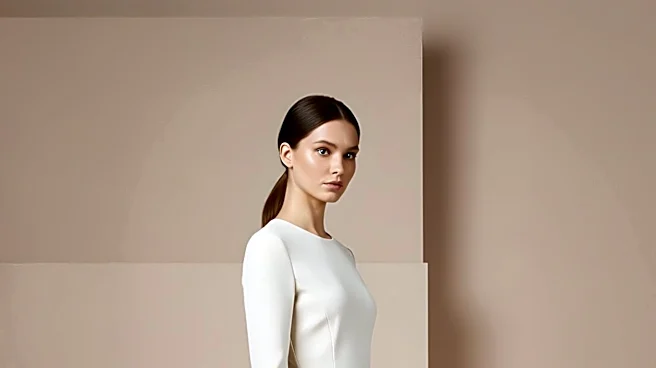
of the 2010s. It championed impeccable tailoring, high-quality materials like cashmere and silk, and a muted color palette of beige, grey, and navy. The goal was to look effortlessly refined without any obvious branding. This shift was fueled by a few key cultural moments. The post-pandemic world saw a move toward more mindful consumption, with people valuing longevity over fleeting trends. And, of course, there was television. HBO's "Succession" became a primary visual guide, where the Roy family’s logo-free, astronomically expensive sweaters and suits from brands like Loro Piana and Brunello Cucinelli defined a new kind of power dressing. It was wealth whispered, not shouted.
From Niche Trend to Mainstream Uniform
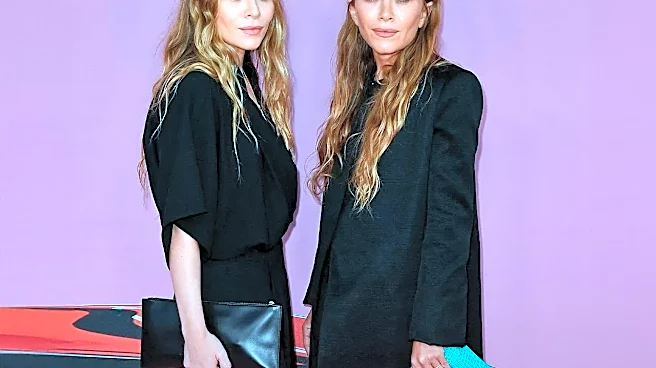
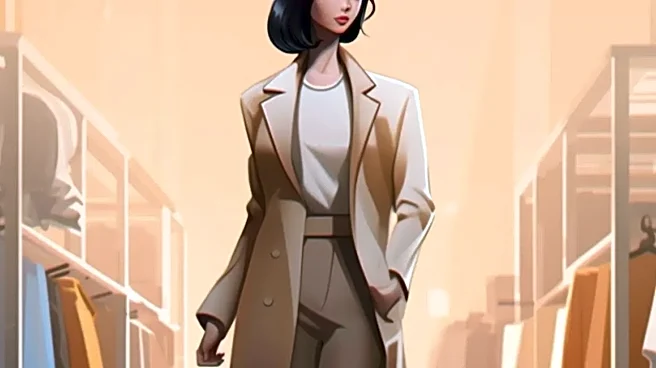
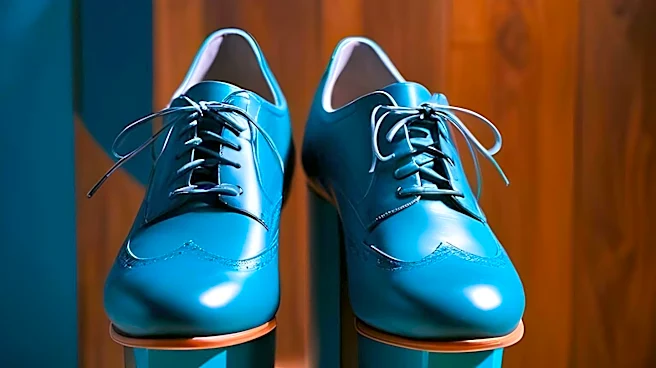
For a couple of years, quiet luxury was the undisputed champion of style. It was more than just clothing; it was a mindset built on the idea of “investment dressing.” The philosophy was simple: buy fewer, but better, things. This resonated in a time of economic uncertainty, where a perfectly tailored blazer or a timeless trench coat felt like a smarter purchase than a trendy, logo-heavy piece that might feel dated in a year. The look became a uniform for those in the know: a neutral cashmere crewneck, tailored trousers, a structured leather bag, and minimalist loafers. Brands like The Row, founded by the Olsen twins, became the pinnacle of this aesthetic, offering architectural silhouettes and exquisite fabrics that were recognizable only to a select few. The trend signaled a desire for authenticity and craftsmanship over the noise of fast fashion.
The Inevitable Personality Backlash
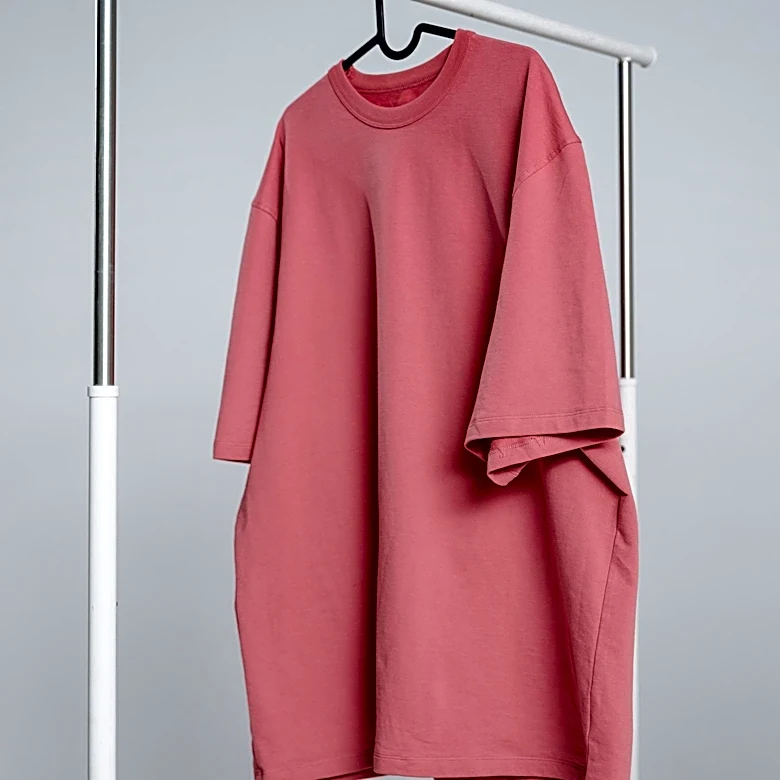
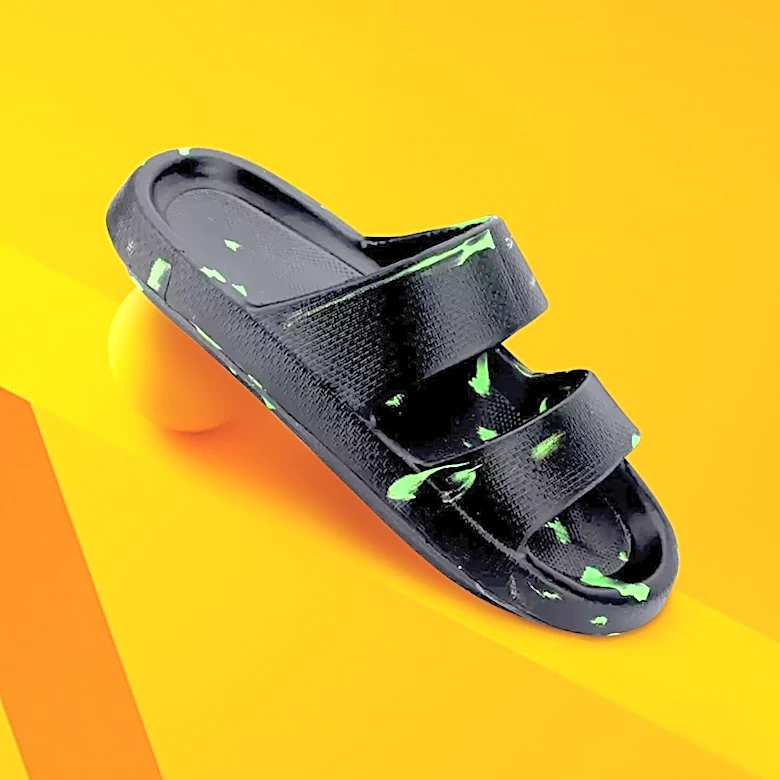
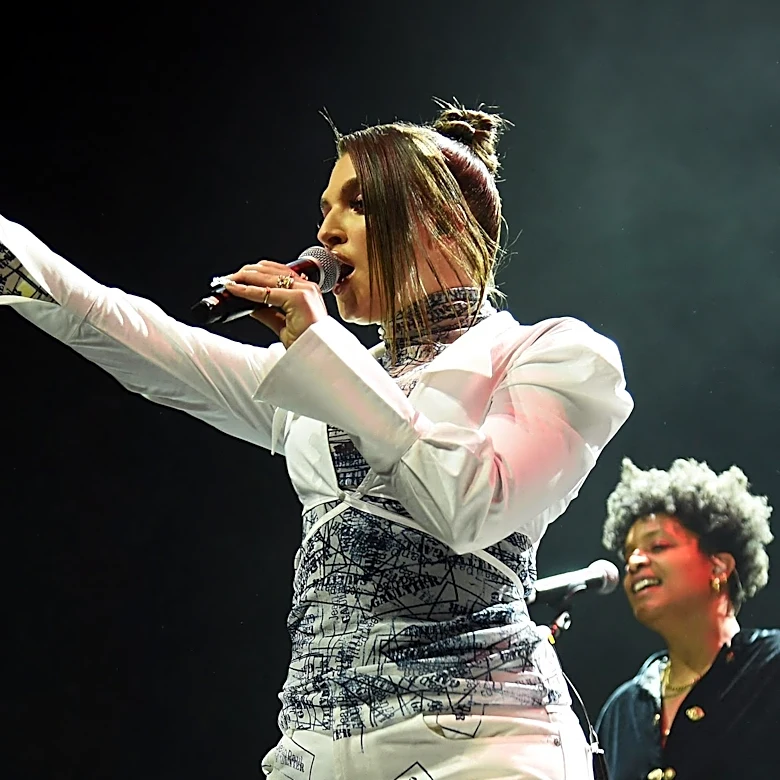
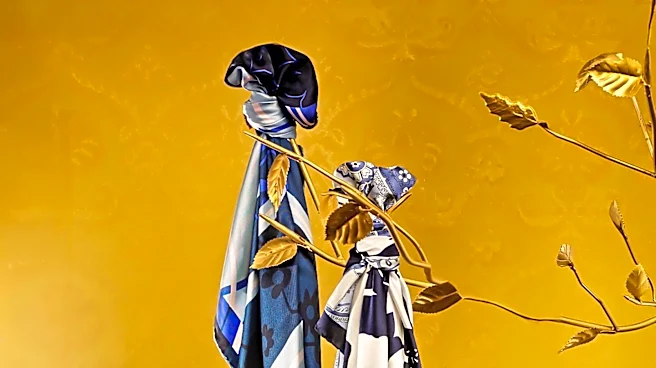
But like all dominant trends, the pendulum was bound to swing back. By 2025, a sense of fatigue began to set in. The sea of beige and grey, once seen as sophisticated, started to feel monotonous and restrictive for some. Fashion has always been a tool for self-expression, and after a few seasons of restraint, designers and consumers alike began craving more personality, color, and fun. A wave of maximalism and more expressive styles started to appear on runways. Designers began reintroducing bold patterns, vibrant colors, playful textures, and voluminous shapes. This wasn't a complete rejection of quality, but rather a desire to inject some excitement and individuality back into dressing. The message was clear: elegance doesn't have to be passive or silent.
What Came Next: The 'Quiet' Fades, the 'Luxury' Remains
So, what did come next? Quiet luxury didn't simply vanish; it evolved. The “quiet” part—the strict adherence to minimalism and neutral palettes—has largely faded from the trend spotlight. However, the “luxury” part—the focus on quality materials, excellent fit, and timeless craftsmanship—has been fully absorbed into the mainstream style consciousness. This is the trend’s true legacy. It fundamentally shifted how many people approach building a wardrobe, teaching them to prioritize a foundation of high-quality, durable pieces. The current landscape is less about following a single aesthetic and more about a hybrid approach. It's about using those well-made basics as a canvas for more personal and expressive items.
The 2026 Wardrobe: A Hybrid Approach
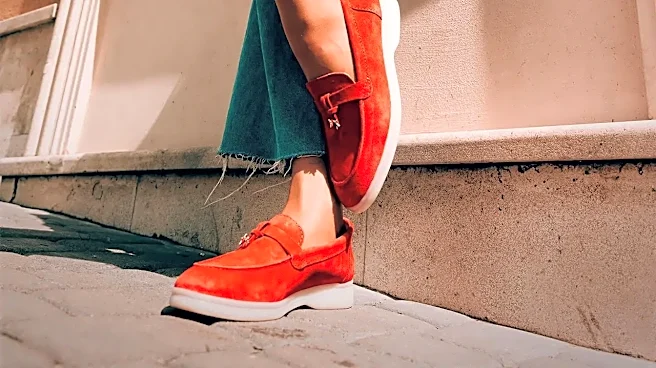
As of mid-2026, the dominant look is one of personal style over prescribed trends. Women are pairing sleek, strapless tops with classic trousers, or adding statement accessories like brooches to simple tanks. There's a renewed interest in '90s minimalism, but with a modern, less rigid spin—think slinky slip dresses paired with a leather jacket or tailored loafers. The idea of a uniform is gone, replaced by a more eclectic and individual mix. You might see someone wearing a timeless, quiet-luxury-inspired trench coat over a brightly colored dress, or pairing a beautifully made knit with embellished jeans. The core lesson of the quiet luxury movement has stuck: invest in the bones of your wardrobe. But now, there's a collective permission to have more fun with the rest of it, injecting personality back into how we dress.