


A Shadow from Across the Pond
When the American version of 'The Office' premiered in 2005, it wasn't an exciting new concept; it was a risky adaptation. The original British series, created by Ricky Gervais and Stephen Merchant, was a critically adored, perfectly contained masterpiece.
The idea of an American remake was met with skepticism. Could a U.S. network possibly capture the dry, cringe-inducing brilliance of the original? The pressure was immense, and the first season leaned heavily on its British predecessor, with the pilot episode being an almost line-for-line remake. This imitation game didn't immediately win over audiences or critics, many of whom found it to be a pale comparison.
Crickets, Cringe, and Low Ratings
The first season was short, just six episodes, and the ratings were far from encouraging. After a decent premiere, viewership dropped significantly. The show's mockumentary style and its awkward, often unlikable lead character, Michael Scott, were jarring for American audiences accustomed to traditional sitcoms with laugh tracks. Brian Baumgartner, who played Kevin Malone, has said the show was nearly canceled multiple times in its first year. The humor, especially in an episode like "Diversity Day," was so close to the edge that many, including the cast, wondered if it could even air. The season one finale had the lowest ratings of the series to that point, and a renewal was anything but certain.
The Cast's Pact of Pessimism
The actors themselves were preparing for the worst. Jenna Fischer, who played Pam Beesly, was so accustomed to failure as a struggling actress that she was reportedly ready to quit acting altogether just before landing the role. The cast's sentiment during the first couple of seasons was one of shared doubt. They felt that a second-season renewal for only six more episodes was a quiet confirmation from the network that the show was on life support. The feeling on set wasn't one of creating a future classic; it was more like enjoying the time they had before the inevitable cancellation. According to producer Michael Schur, NBC announced a 13-episode order to the public to project confidence, but internally, the cast and crew knew they had only been given six episodes to prove their worth.
The Turnaround: A Movie Star and an iPod
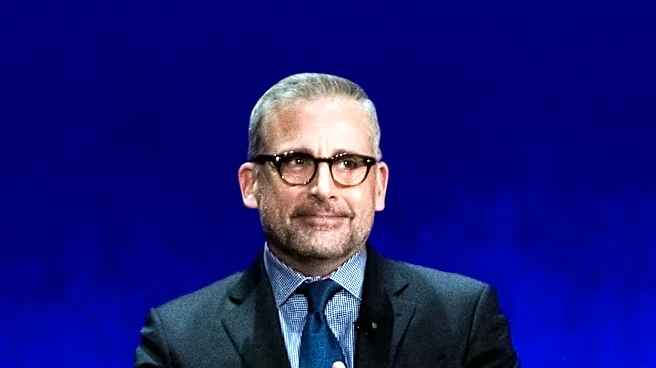
Two unexpected events changed everything. First, over the summer between seasons one and two, Steve Carell starred in the blockbuster comedy 'The 40-Year-Old Virgin'. He went from a respected character actor to a bona fide movie star overnight. Suddenly, NBC had a huge celebrity leading its struggling sitcom, a massive asset they couldn't ignore. The second turning point was technological. In 2005, Apple launched the video iPod and made shows available for purchase on iTunes. 'The Office' was one of the first shows offered. It became a runaway hit on the platform, revealing a younger audience that network ratings weren't capturing. This digital success gave NBC concrete proof that people were watching, even if not on traditional television.
From Cult Hit to Cultural Phenomenon
With the confidence boost from Carell's fame and the iTunes numbers, the writers began to steer the show in a new direction for season two. They moved away from replicating the British original and started to find their own voice. Most importantly, they began to soften Michael Scott, revealing the lonely, well-intentioned man-child beneath the obnoxious boss. Episodes like "The Dundies" and the season two Christmas episode showcased the show's growing heart and humor, and audiences finally started to connect. The show that nobody thought would survive its first year went on to run for nine seasons, produce 201 episodes, and become one of the most streamed and beloved sitcoms in history.