






For years, the biggest Latin Grammy debates centered on the song of the summer—that one inescapable single that defined the year. But in 2026, the energy is different. The real arguments, the most passionate takes, are happening around the albums.
The Battle for Album of the Year
This
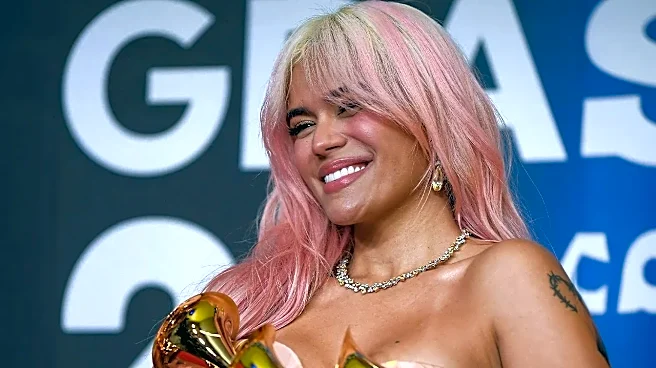
year's slate for Album of the Year at the 27th Annual Latin GRAMMYs is a testament to the genre's incredible diversity and ambition. The nominations feature a compelling mix of global superstars and critical darlings, each bringing a distinct artistic vision to the table. We have Karol G's blockbuster 'Tropicoqueta' and Rosalía's experimental 'LUX (Complete Works)' sitting alongside Anitta's Brazilian pop opus 'EQUILIBRIVM' and Carín León's elevation of regional Mexican music with 'MUDA'. The list is rounded out by established legends like Jorge Drexler with 'Taracá' and exciting new voices like Silvana Estrada and Milo J. This isn't just a collection of popular artists; it's a reflection of a music scene where crafting a cohesive, meaningful album has once again become a paramount artistic statement. The sheer variety ensures that the debate over who deserves the top prize will be more about artistic merit and impact than just streaming numbers.
From Singular Hits to Cohesive Statements
The shift away from a single-dominated conversation isn't accidental. It mirrors a broader trend in how we consume music. In an era dominated by streaming, the idea of a monoculture hit—a song everyone knows, like 'Despacito'—has become rarer. Instead, streaming platforms allow fans to dive deeper into an artist's entire catalog. Latin music now accounts for nearly one in every ten song streams in the U.S., a market where streaming represents over 96% of all Latin music revenue. This streaming-first ecosystem encourages artists to build worlds with their albums, knowing they have a dedicated audience ready to listen from the first track to the last. Artists are increasingly using albums to explore complex themes, blend genres, and tell personal stories, something a three-minute single can rarely accomplish. Projects from artists like Alvaro Díaz and RaiNao, for example, have been lauded for their experimental and thoughtful approaches, blending trap, R&B, and traditional sounds into bold new forms.
The Rise of the Auteur Album
Today's most influential Latin artists are thinking like auteurs, and their albums are the result. They are mining the past to create something new, blending nostalgia with forward-thinking production. Bad Bunny and Karol G have both successfully incorporated classic genres like salsa and cumbia into their massive projects, connecting with older generations while educating younger fans. Similarly, artists like Natalia Lafourcade are celebrated for preserving traditional Latin American folk roots while achieving global visibility, proving authenticity has mainstream appeal. This trend is also visible in the ascendant regional Mexican scene, where artists like Tito Doble P and Carín León are pushing the genre's boundaries, fusing corridos with modern sensibilities to create complete artistic statements. The album format gives these artists the canvas they need to make these ambitious connections between past, present, and future.
A More Mature, Global Audience
The audience for Latin music has also matured. It's no longer just a regional phenomenon; it's a dominant global force, with Latin America being the world's fastestest growing music market. This global audience is more diverse and engaged than ever. They aren't just passive listeners; they are active fans who appreciate the depth and narrative of a full album. The growth of the genre in the U.S. isn't just driven by the Latino diaspora but by a wide range of listeners who have embraced the music. This sophisticated listenership demands more than just a fleeting hit. They are drawn to the storytelling, the genre-blending, and the cultural richness that a wellcrafted album provides. They are fueling a market where an artist's ability to create a lasting body of work is valued just as much, if not more, than their ability to produce a viral moment.