

The Show for the People at Home
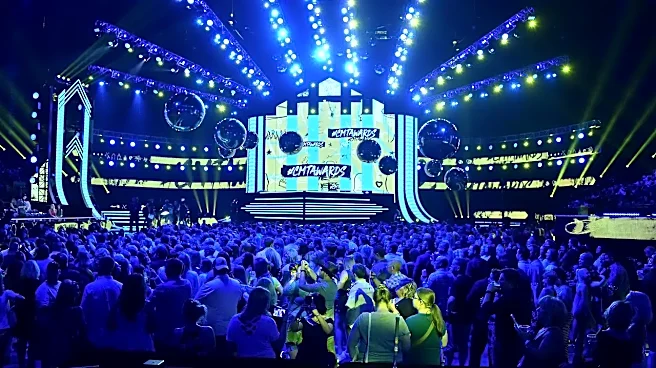
A stage rehearsal is for the 15,000 people inside Nashville's Bridgestone Arena. The camera rehearsal is for the millions watching on television. While an artist like Luke Combs or Lainey Wilson perfects their vocals and stage presence, a separate team
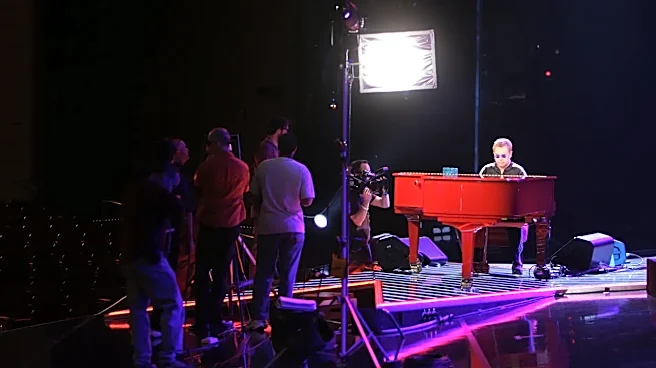
is choreographing a dance of its own. A live awards show broadcast uses dozens of cameras, from sweeping jibs to intimate handhelds. The camera rehearsal is where the director, Alan Carter, and his crew decide which camera will capture which moment. It’s the process of turning a live concert into a compelling television narrative, shot by shot. This isn't just about pointing cameras at the stage; it's about translating the energy of a live performance into a dynamic visual story for the broadcast audience. Without it, the show would feel distant and chaotic, failing to capture the close-ups, reactions, and details that make viewers feel like they're in the front row.
It’s a Full Dress Rehearsal, Without the Stars
Long before the artists arrive in their awards-show finest, stand-ins walk through every performance and presentation. These are not just casual walk-throughs; they are meticulous rehearsals where every camera movement, lighting cue, and graphic is timed to the second. The director calls out camera numbers ('Ready camera 3, take 3!'), and the technical director in the production truck switches between feeds, building the show live. This process allows the team to solve problems before they happen. Does a certain wide shot make the stage look empty? Does a lighting effect blind a key camera? Is a transition between a high-energy performance and a somber award presentation too jarring? The camera rehearsal is where these issues are identified and ironed out, ensuring the final broadcast is seamless. It's a full-scale dry run that harmonizes the technical and artistic elements of the show.
Helping Artists Connect Through the Lens
While much of the camera rehearsal happens without the main talent, the process is also crucial for the performers. When an artist steps on stage for their final run-through, they aren't just playing to the arena; they're playing to specific cameras. During these rehearsals, performers learn which camera will be 'live' at any given moment. This allows them to connect directly with the television audience, delivering a powerful glance, a smile, or an emotional grace note straight to the viewer at home. It’s the difference between a generic concert recording and an intimate, made-for-TV moment. This is especially vital for a show like the CMAs, which blends high-octane rock sets with vulnerable, story-driven ballads. Knowing how to use the cameras helps an artist tailor their performance, ensuring their energy or their subtlety is captured perfectly.
The Unsung Heroes of Live TV
Ultimately, the polished broadcast of the CMA Awards is a testament to two parallel rehearsals. The artists and their bands work to perfect the sound and the onstaged spectacle. Simultaneously, the production crew rehearses to capture that spectacle with precision and artistry. The stage rehearsal ensures the music is flawless, but the camera rehearsal ensures that flawlessness is communicated to the world. It’s a highwire act of coordination involving hundreds of cues, dozens of crew members, and the pressure of a single take with no room for error. From the director to the camera operators, this team follows a script just as detailed as any musical arrangement. Their performance is invisible, but without it, the biggest night in country music would just be another show.