


Lesson 1: Spot the Mood, Not Just the Outfit
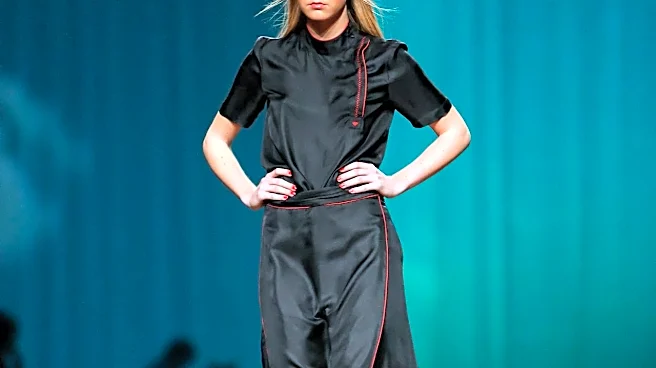
Before a specific item becomes a trend, a mood takes hold. This season, London designers explored a feeling of what could be called 'practical romance.' We saw it in the juxtaposition of tough, utilitarian fabrics with soft, flowing silhouettes and in the clash
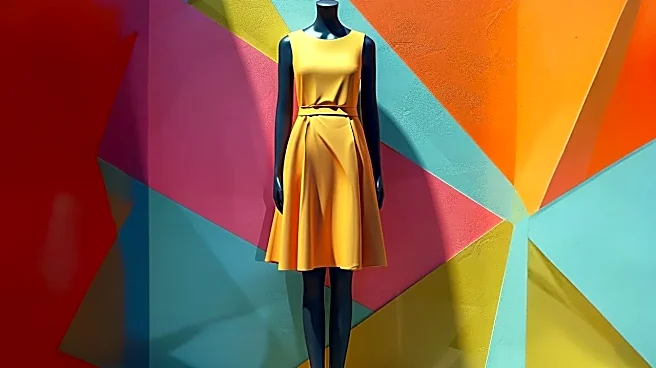
of earthy tones with unexpected pops of vibrant color. Instead of looking for a single must-have piece, try to identify this feeling. When you're shopping, ask yourself if an item captures that spirit. Maybe it’s not the exact runway coat, but a trench with an unusually soft drape, or a structured bag in a delicate, powdery blue. This approach allows you to participate in the season's feeling without buying a carbon copy of a runway look. It's about finding the essence of a trend, which is often a color, texture, or silhouette that captures a broader cultural moment.
Lesson 2: Follow the Three-Show Rule
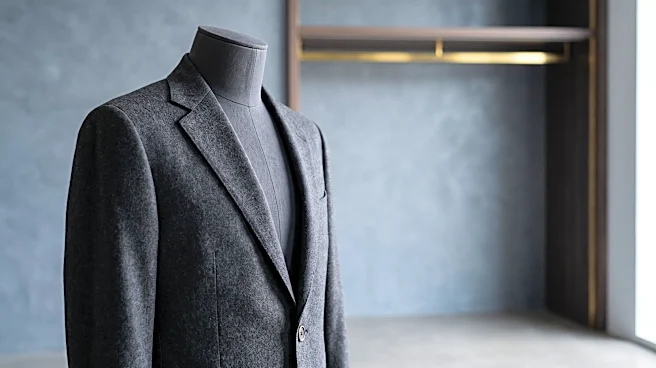
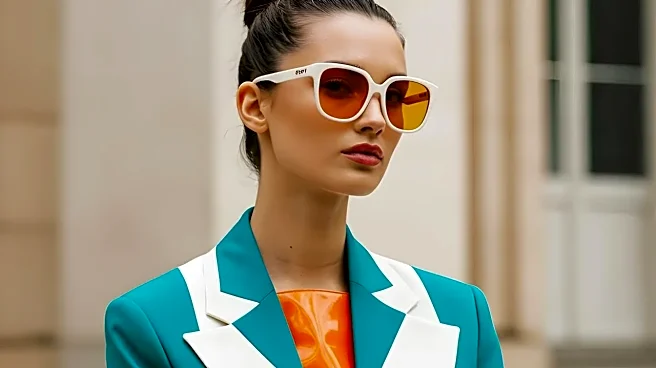
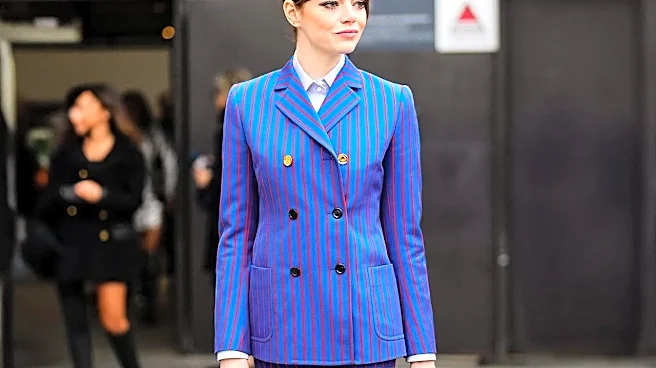
One wild look on a single runway is an experiment. But when a similar idea appears in three or more different shows, it’s a signal of a developing trend. This season, for instance, a renewed focus on sharp tailoring was seen across multiple collections, but often softened with unexpected details. Similarly, accessories like oversized sunglasses and statement brooches appeared at various presentations, suggesting they are moving from niche to noteworthy. As a shopper, you can apply this same logic. Don’t rush to buy the first unusual thing you see. Wait and see if the idea reappears elsewhere. If that particular shade of green or that specific type of sleeve starts showing up from different brands at different price points, you know it has commercial legs. This patience helps you distinguish between a fleeting editorial statement and a genuine trend worth investing in.
Lesson 3: It’s All About a Shifting Silhouette
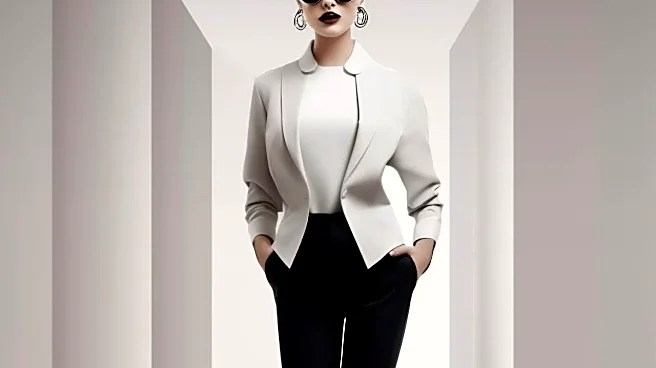
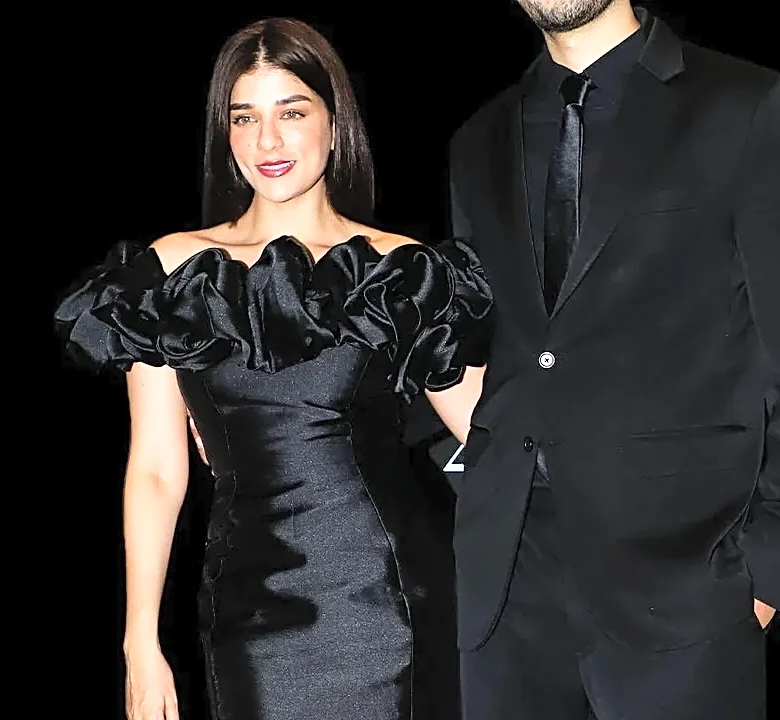
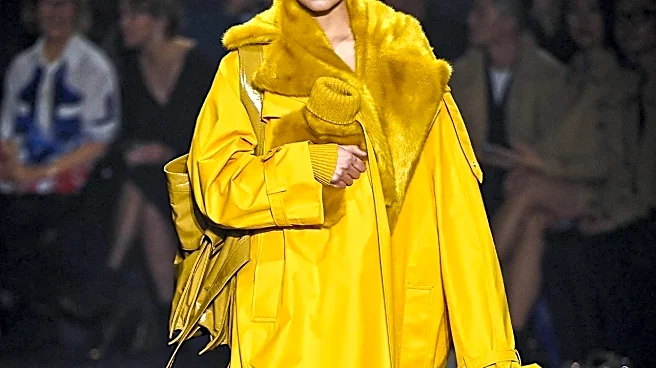
The most fundamental trends are often shifts in shape and proportion, not just new colors or prints. For years, skinny pants dominated, then wide-legs took over. London's runways are a great place to spot the next evolution. This season, designers played with voluminous coats, sculptural silhouettes, and relaxed, oversized tailoring. Pay attention to where the waistline is sitting, the width of a trouser leg, or the shape of a shoulder. These foundational shifts are more important than any single pattern. Understanding the dominant new silhouette helps you update your wardrobe in a more meaningful way. Swapping your jacket style or pant shape can make your existing basics feel instantly current, even if you change nothing else.
Lesson 4: Don't Underestimate the 'Weird' Accessory
Often, the most commercially successful trends start small and, frankly, a little strange. Accessories are the fashion industry's testing ground for new ideas. A quirky bag, an unconventional shoe, or an unusual piece of jewelry on the runway might seem impractical, but it's often the first hint of a mainstream hit. Think of how platform Crocs, once a curiosity at a Simone Rocha show, have influenced footwear. This Fashion Week, details like loosely knotted ties worn as accessories and decorative brooches on lapels signaled a move toward playful, personal embellishments. When you're looking to experiment with a new trend, accessories are the lowest-risk way to start. A single purchase can tap into a new look without requiring a full wardrobe overhaul.
Lesson 5: Translate, Don't Transcribe
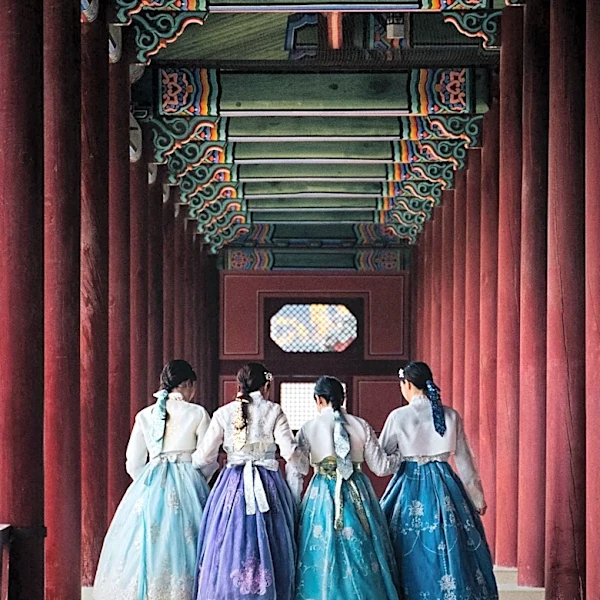
Almost no one wears a full, head-to-toe runway look in their daily life. The key is to see the runway as inspiration, not instruction. The runway look is the most extreme, amplified version of an idea, designed to make an impact in a show setting. Your job is to extract the core concept and adapt it to your own life and personal style. If a designer shows a punk-inspired take on tartan, the lesson isn't to wear a tartan miniskirt and combat boots. The lesson is that heritage patterns are being remixed with a rebellious edge. You could translate that by pairing a classic plaid scarf with a leather jacket or finding a tartan blazer with a modern, sharp cut. Staying true to your own style is paramount; a trend should feel like an enhancement of you, not a costume.