





More Than Just an Earworm
A main title theme is a show’s sixty-second elevator pitch. Long before a single line of dialogue is spoken, the opening music sets the tone, establishes the world, and makes an emotional promise to the viewer. Is this a brooding, string-heavy drama like
Succession? A quirky, synth-driven mystery like Stranger Things? Or an unsettling, club-ready track like The White Lotus? The theme is the show's sonic identity, a crucial piece of branding that has to grab an audience immediately. In a crowded media landscape, a memorable theme makes a show instantly recognizable and helps it stand out from the hundreds of other options vying for a viewer's attention. This isn't just about art; it's about creating a distinct and durable brand.
Winning the 'Skip Intro' War
In the age of streaming, the greatest threat to a main title theme is the ubiquitous “Skip Intro” button. A theme that viewers actively choose not to skip has already achieved a monumental victory. Composers and showrunners know that to survive, a theme can't just be background noise; it must be an event. Themes like those from Game of Thrones or The White Lotus became weekly rituals for fans, with their evolving visuals and instantly recognizable melodies. When a theme becomes a topic of conversation, generating memes, TikTok trends, and Spotify playlist adds, it signals to the industry that the music has achieved true cultural penetration. This viral footprint provides Emmy voters with tangible proof of a theme's impact beyond the confines of the show itself.
What Catches an Emmy Voter's Ear
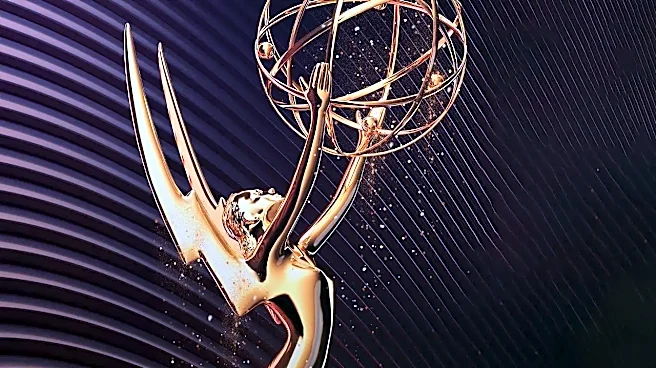
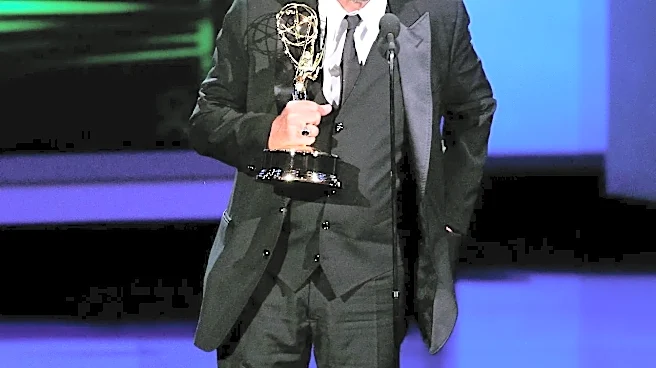
The Emmy for Outstanding Original Main Title Theme Music rewards originality, memorability, and, most importantly, how effectively the music serves the show it introduces. Voters in the Academy of Television Arts & Sciences are looking for a piece of music that feels inseparable from the series' DNA. For example, the synth-heavy, nostalgic theme for Stranger Things instantly transported audiences to the 1980s, becoming as iconic as the show's visual aesthetic. More recently, the chaotic and percussive theme for The White Lotus perfectly captured the escalating anxiety and dark humor of the series, earning composer Cristobal Tapia de Veer an Emmy. Winning themes often tell a story on their own, encapsulating the central conflict or mood of the series in a purely auditory form.
A Composer's Ultimate Calling Card
For television composers, winning in this category is a career-defining achievement. While a show's overall score is celebrated, the main title theme is the single piece of music that gets the most exposure and becomes most closely associated with the production. A win or even a nomination is a powerful signal of a composer's ability to create an iconic, attention-grabbing piece of music. It has helped elevate the careers of composers like Ramin Djawadi (Game of Thrones), Nicholas Britell (Succession), and Kyle Dixon and Michael Stein (Stranger Things), making them go-to names for ambitious television projects. As the line between television and film scores continues to blur, the Emmy for main title theme has become one of the most prestigious and visible honors in screen music.