






A Nation in Need of a Dream
To understand the slinky satin gowns and feathered robes of the 1930s, you first have to picture the world outside the movie palace. The stock market crash of 1929 plunged the United States into the Great Depression, a period of profound hardship. Daily
life for millions was defined by unemployment, breadlines, and a pervasive sense of anxiety. Amid this bleak reality, the American public craved an escape. For the price of a movie ticket—as low as 10 cents for a matinee—audiences could leave their troubles behind and immerse themselves in a world of opulence, romance, and adventure. Hollywood became a dream factory, and its most potent product was fantasy. This need for escapism created the perfect environment for a new, aspirational aesthetic to capture the public imagination.
The Hollywood Glamour Machine
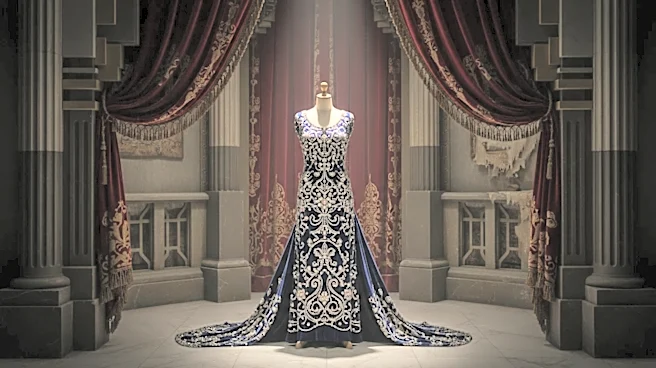
The studio system of the 1930s was uniquely equipped to manufacture and sell this fantasy. Studios like MGM, Paramount, and Warner Bros. controlled every aspect of filmmaking, from the script to the stars' public personas. At the heart of this operation were legendary costume designers like Adrian at MGM, Travis Banton at Paramount, and Orry-Kelly at Warner Bros. These designers weren't just making clothes; they were architects of image. They transformed actresses into goddesses, creating looks that were breathtaking on black-and-white film. Stars like Jean Harlow, Greta Garbo, and Joan Crawford became national style icons, their on-screen wardrobes scrutinized and adored by millions. The studios understood this power and worked with magazines to ensure their latest styles became nationwide trends.
The Silhouette of Escapism
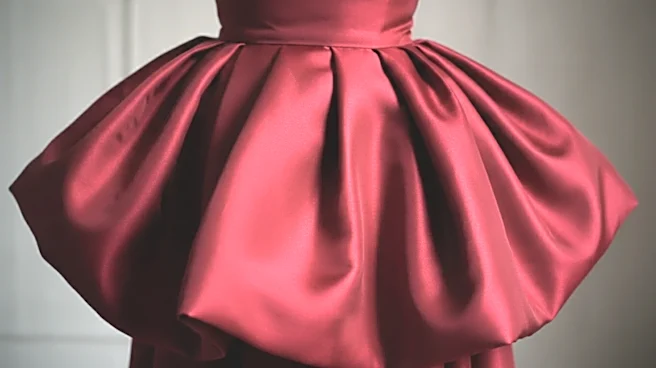
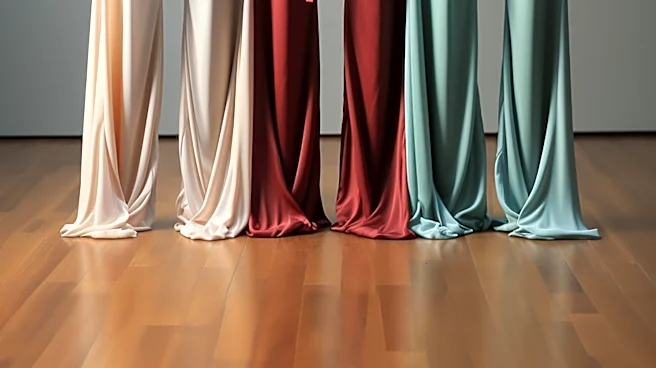
The defining look of the era was the bias-cut gown. Pioneered by Parisian designer Madeleine Vionnet, this technique involved cutting fabric at a 45-degree angle, allowing it to drape and cling to the body in a way that was fluid, sensual, and incredibly elegant. When rendered in newly popular and lustrous fabrics like silk satin, the effect under soft studio lighting was pure magic. These gowns, often featuring low backs and dramatic lines, celebrated a return to a more feminine silhouette after the boyish, straight lines of the 1920s flapper. This new shape was soft, long, and sinuous—a stark contrast to the make-do-and-mend reality of everyday wear. Even daywear in films, like the smart suits with pronounced shoulders worn by Joan Crawford, projected an image of confidence and polish that was aspirational.
From the Silver Screen to Main Street
The influence of Hollywood fashion wasn't confined to the screen. The studios and enterprising retailers quickly realized the commercial potential of this new glamour. Department stores began selling licensed, affordable copies of gowns seen in hit movies. The most famous example was the white organdy dress with huge ruffled sleeves worn by Joan Crawford in 1932's Letty Lynton. Designed by Adrian, the dress became a national phenomenon, with thousands of replicas sold across the country. This allowed ordinary women to buy a piece of the Hollywood dream. For those who couldn't afford a new dress, sewing patterns and accessories offered another way to emulate their favorite stars. Fashion became a democratic fantasy, offering a touch of glamour and a sense of participation in a more beautiful world, even when reality was anything but.