


The Mask as a Truth Serum
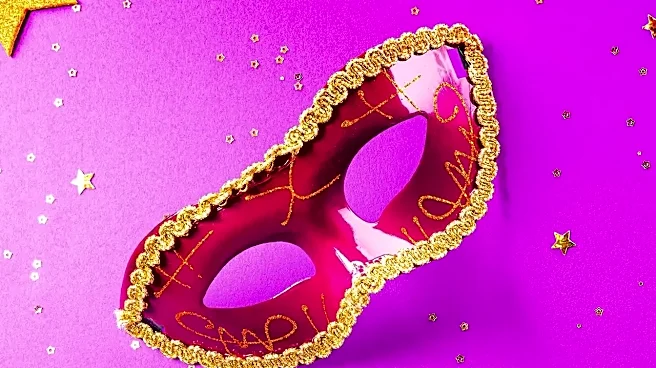
At its core, a costume party is a space of transformation. Masks and disguises grant characters a unique form of freedom, allowing them to shed their usual insecurities and societal roles. This anonymity can function as a potent truth serum, empowering
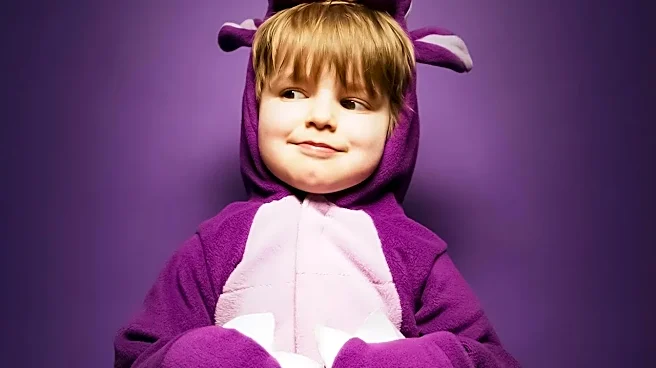
a shy character to make a bold romantic gesture or a buttoned-up professional to reveal a wild side. Think of it as a narrative pressure valve; the costume gives a character permission to act in ways they normally wouldn't, accelerating emotional and plot developments. In some stories, a character’s chosen costume is a direct reflection of their inner self or secret desires, offering the audience a visual clue to their psyche long before they confess it out loud. It's a chance to explore identity by literally trying on a new one for a night.
A Perfect Stage for Chaos
From a purely practical standpoint, a party is the perfect excuse to get your entire cast in one location. A masquerade, however, adds a layer of delightful chaos. The very nature of a costume party—with its obscured identities and festive confusion—creates a fertile ground for misunderstandings, secret meetings, and dramatic confrontations. This device is as old as Shakespeare, who frequently used disguises and mistaken identities to drive the plots of his comedies. In a modern TV episode, a Halloween party can serve the same function. Two characters can have a secret conversation they believe is private, only to be overheard by a third person hidden behind a mask. Or, in a more comedic vein, a character might pour their heart out to the wrong person, leading to hilarious consequences, a trope used to great effect in sitcoms from "Frasier" to "How I Met Your Mother."
Wish Fulfillment and Mistaken Identity
Halloween episodes often tap into a deep sense of wish fulfillment. For one night, a character can become someone else entirely—a superhero, a historical figure, or even their favorite celebrity. This fantasy element can drive the plot, as seen in the movie "Casper," where the ghostly hero gets to be human for a single dance at a Halloween party. This trope also allows for the classic plot device of mistaken identity. In shows like "The Vampire Diaries," masquerade balls are frequently used for dramatic impersonations that lead to life-or-death situations. The audience, who is in on the secret, gets to enjoy the dramatic irony as other characters interact with the imposter, building suspense until the inevitable, and often shocking, reveal.
Visual Spectacle and Character Expression
Beyond the narrative mechanics, Halloween episodes provide a wonderful visual break from the norm. They are often some of the most memorable and visually creative episodes of a series. The costumes themselves become a form of storytelling, reflecting the characters' personalities, relationships, and even their pop culture awareness. A couple's coordinated costume in "The Office" can signal a new stage in their relationship, while a character's deliberately lazy or obscure costume in "Friends" becomes a running gag that reveals their state of mind. These visual details enrich the world of the show and provide endless opportunities for gags and character-driven humor, making the episode stand out in a long season.