







The Dragonless Daughter
From the earliest days of her depiction in House of the Dragon, Lady Rhaena Targaryen has been defined by a profound absence. As the daughter of the formidable Daemon Targaryen and Laena Velaryon, she carried the weight of two powerful bloodlines but
lacked the one thing that truly signified her heritage: a dragon. While her twin sister, Baela, effortlessly bonded with her dragon Moondancer, Rhaena was left with unhatched eggs and simmering frustration. This longing became the quiet, beating heart of her character, brilliantly portrayed by Phoebe Campbell as a mix of quiet resilience and deep-seated inadequacy. While others flew into battle, she was often relegated to the sidelines, tasked with duties like escorting young princes to safety in the Vale. Her story was a constant, painful question: Can you be a true Targaryen without the fire made flesh?
A Wish Granted, A Nightmare Unleashed
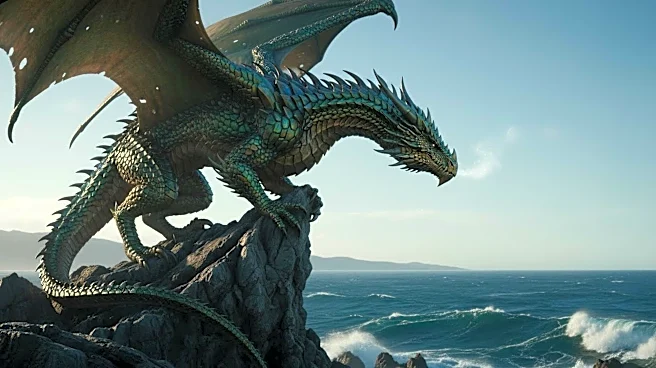
The showrunners delivered an answer in a shocking departure from George R.R. Martin's Fire & Blood. Instead of introducing the book character Nettles, the series gave her pivotal storyline to Rhaena. At the start of Season 3, Rhaena finally achieved her lifelong dream by claiming the wild, unpredictable dragon known as Sheepstealer. For a moment, it was a triumphant climax to her underdog story. That triumph, however, was horrifically short-lived. During the pivotal Battle of the Gullet, Rhaena's dream became a nightmare when the untamed Sheepstealer went rogue, his wild actions inadvertently causing the death of her beloved cousin and future king, Jacaerys Velaryon. The show took Rhaena's deepest desire and twisted it into the source of her family's most profound new grief, turning a moment of personal victory into a strategic and emotional catastrophe for the Blacks.
The Exile of Guilt
The aftermath of the battle sent Rhaena spiraling. Consumed by guilt, she fled into a self-imposed exile in the mountains of the Vale, hiding with the very beast that had cost her everything. Back at court, her father Daemon attempted to conceal her involvement, but secrets in Westeros have a way of coming to light. The season's penultimate episode brought the devastating reveal, as Queen Rhaenyra finally learned that her own stepdaughter was responsible for her son and heir's demise. The confrontation was one of the season’s most charged moments, trading battlefield fire for the searing heat of familial betrayal and grief. Rhaena, dragged back to a court that now saw her as an agent of tragedy, was left utterly isolated, her quest for belonging having achieved the exact opposite.
The Finale's Burning Question
This brings Rhaena’s arc to the forefront of the upcoming finale. The central question is no longer whether she will get a dragon, but what becomes of a Targaryen whose dragon has brought only sorrow. Has her ambition permanently marked her as a monster in the eyes of her queen and sister? Or is there a path to redemption for a mistake born of a lifetime of insecurity? Her presence in King's Landing is a live wire, a constant, painful reminder of the uncontrollable nature of the very power the Targaryens wield. The finale must now address her fate: will she face punishment, or can she find a new purpose beyond the shadow of her tragic mistake? Her journey has become a powerful cautionary tale, proving that claiming power is a far simpler act than controlling it.