


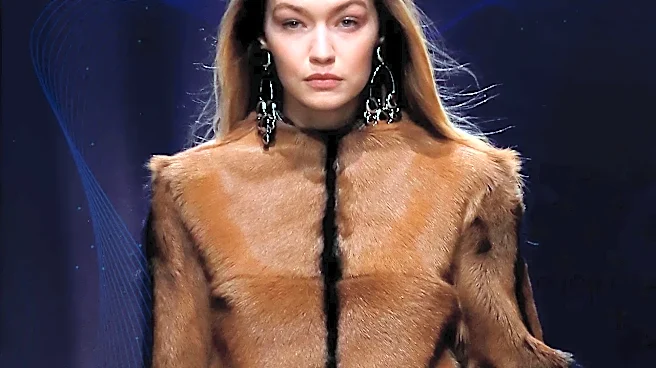
The Collection That Got Everyone Talking
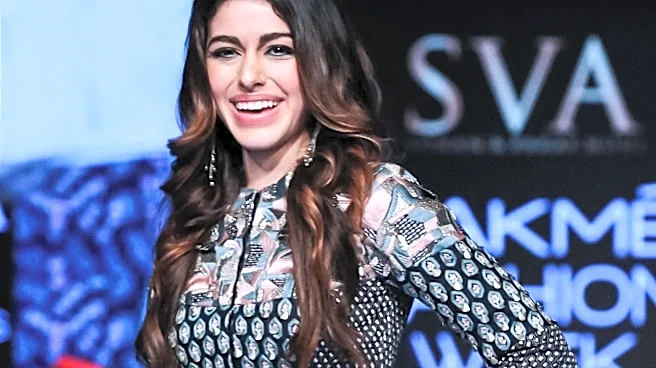
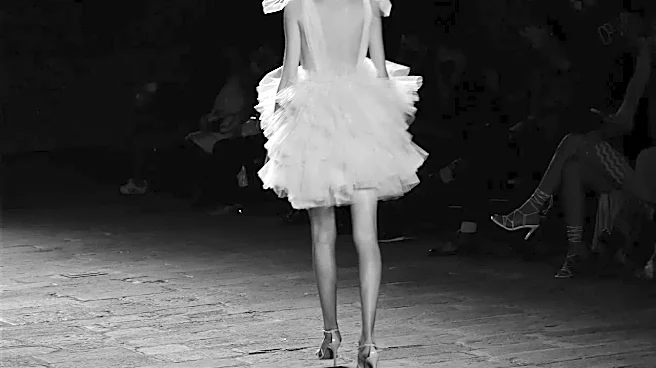
At any given Fashion Week, there's always one show that becomes the main topic of conversation. This season in London, it wasn't due to a celebrity on the runway or a dramatic finale. Instead, during a highly anticipated show featuring minimalist tailoring
and fluid silhouettes, the audience's focus collectively shifted downward. The clothes were impeccably made—clean-lined coats and elegantly simple dresses in a palette of neutrals. But as model after model appeared, the buzz in the room, and subsequently all over social media, wasn't about the tailoring. It was about what was on their feet and in their hands. The phenomenon was immediate, with front-row editors and influencers zooming their phone cameras in, not on the drape of a jacket, but on the curve of a heel or the clasp of a bag.
An Object of Desire
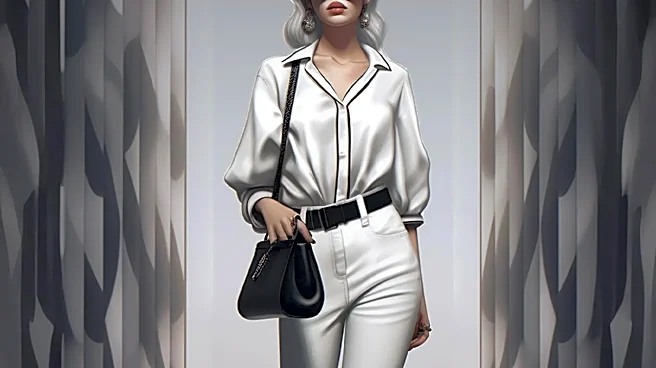
The accessories in question were a masterclass in quiet impact. Sculptural, architectural shoes with unexpectedly curved heels and buttery leather bags with a single, distinctive piece of hardware stole the spotlight. They were objects of desire that managed to feel both avant-garde and wearable. While the garments whispered, the accessories spoke with confidence. This redirection of attention is a fascinating moment in fashion. Was it an accidental scene-stealer, or a brilliant commercial sleight of hand? The answer, according to many fashion insiders, lies in a blend of both. A designer's vision is holistic, but the commercial reality of the luxury market is that accessories are often the financial engine of a brand. A single, sell-out handbag or shoe style can generate more revenue than an entire ready-to-wear collection.
The Handbag as the Headliner
This isn't just about one show; it's a reflection of a larger cultural shift in how we consume fashion. In an age dominated by social media, an accessory is a more accessible and versatile entry point into a luxury brand's world. You might not be able to afford (or have the occasion to wear) a runway gown, but a statement bag or a pair of unique shoes can be integrated into your daily life. They are potent symbols of taste and belonging. Industry analysis confirms that jewelry and other accessories are often high-performance categories for brands because they aren't constrained by sizing and are more likely to lead to repeat purchases. By creating a viral accessory, a designer isn't just selling a product; they are creating a totem, an 'It' item that carries the brand's message far beyond the runway.
More Than Just an Afterthought
The trend for Fall 2026 has leaned heavily into the idea that accessories are no longer just a finishing touch but the main event. Designers are increasingly creating bold, self-expressive pieces—from sculptural brooches and dramatic earrings to oversized clutches—that demand to be the centerpiece of an outfit. This move away from minimalism encourages style-conscious consumers to see their bags, shoes, and jewelry not as complements to their clothes, but as the foundational elements of their look. Some London collections this season even sent models down the runway entirely without jewelry, letting the strength of a single handbag or a powerful silhouette do all the talking. This intentional focus proves that in today's fashion landscape, the most powerful statement can come in the smallest package.