
The Weight of Tradition
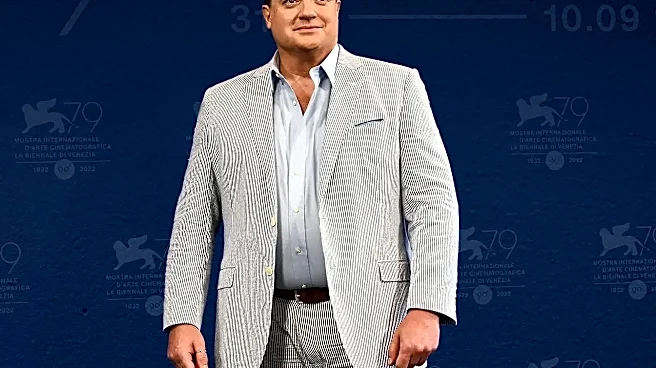
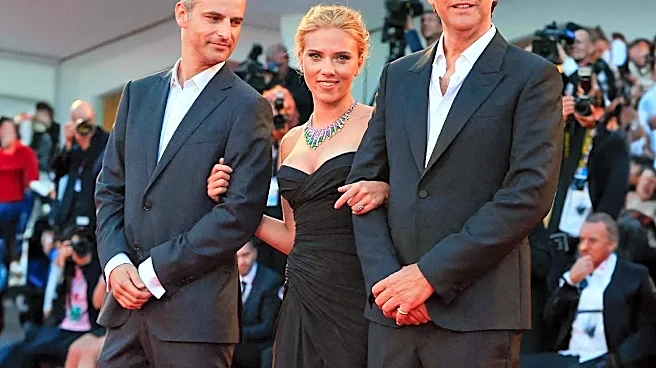
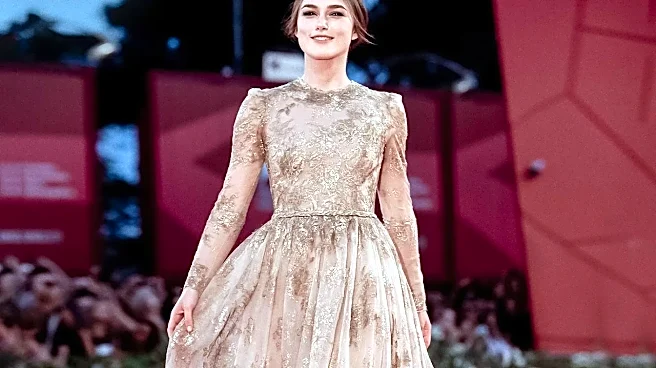
As one of the world's oldest and most revered film festivals, Venice carries an air of cinematic royalty. Its red carpet has historically been a stage for classic, capital-G Glamour. Think sweeping gowns, sharp tuxedos, and priceless jewels—a formal affair
steeped in the tradition of Hollywood's golden age. For decades, the unwritten dress code was clear: respect the ceremony. Stars were expected to slip into a role of timeless elegance, honoring the institution with looks that were grand, opulent, and above all, appropriate. This created a visual language of reverence, where personal taste was often secondary to the grandeur of the event itself. The goal wasn't to stand out with a shocking look, but to fit in with an established ideal of movie-star magnificence.
The Modern Mandate: Be Yourself
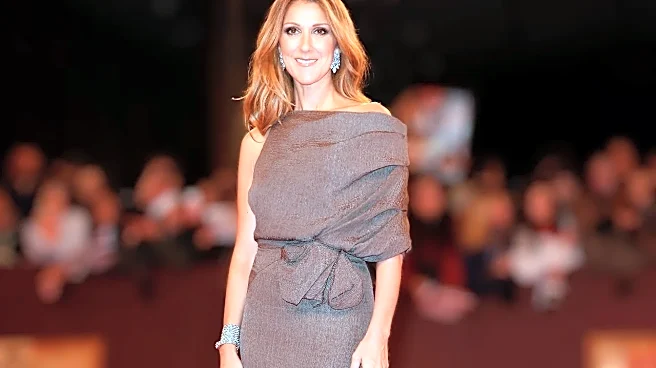
In today's hyper-visual culture, just looking glamorous isn't enough. A celebrity is a brand, and their clothing is their most immediate and powerful messaging tool. Stylists are no longer just picking pretty dresses; they are architects of identity, crafting a narrative that extends from Instagram feeds to global red carpets. This has created a new imperative for stars: express your unique identity at all times. Showing up in a generic, albeit beautiful, gown is a missed opportunity. Instead, fashion is used to signal creativity, edge, intellectualism, or playful rebellion. Every outfit choice is a strategic move to build a personal brand that is distinct and memorable, transforming public figures into fully realized cultural icons.
A Masterclass in Balance
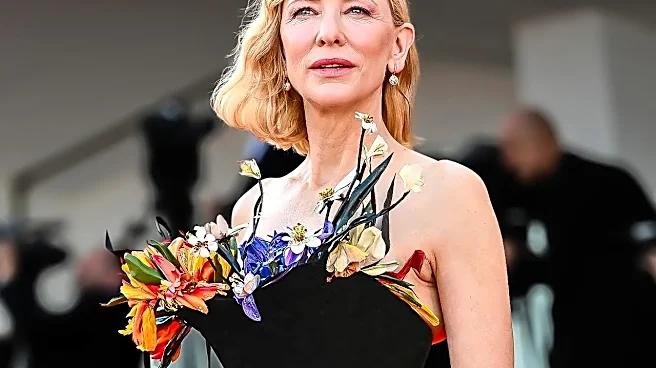
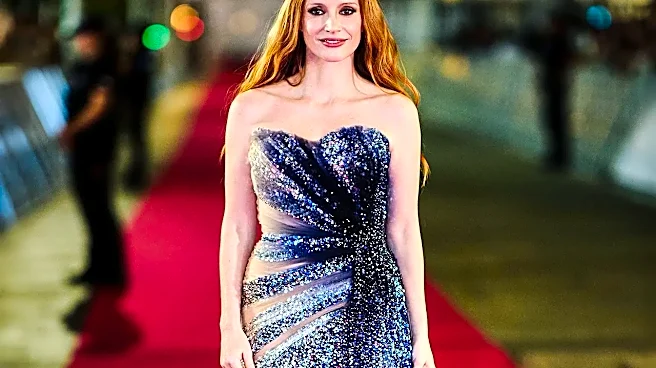
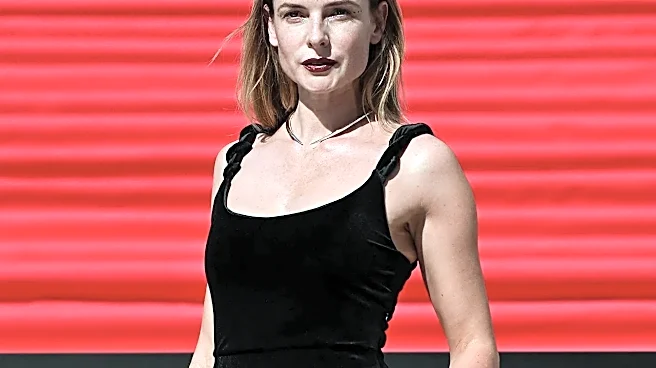
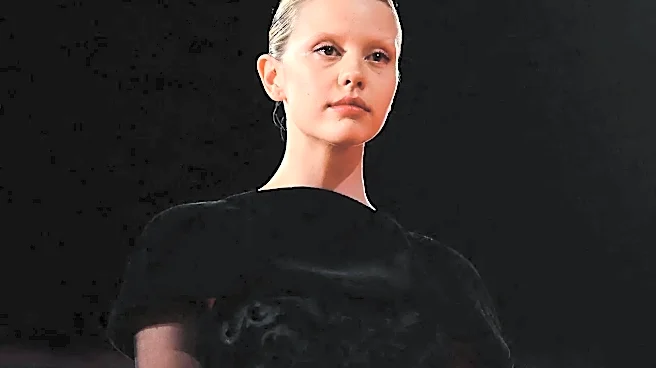
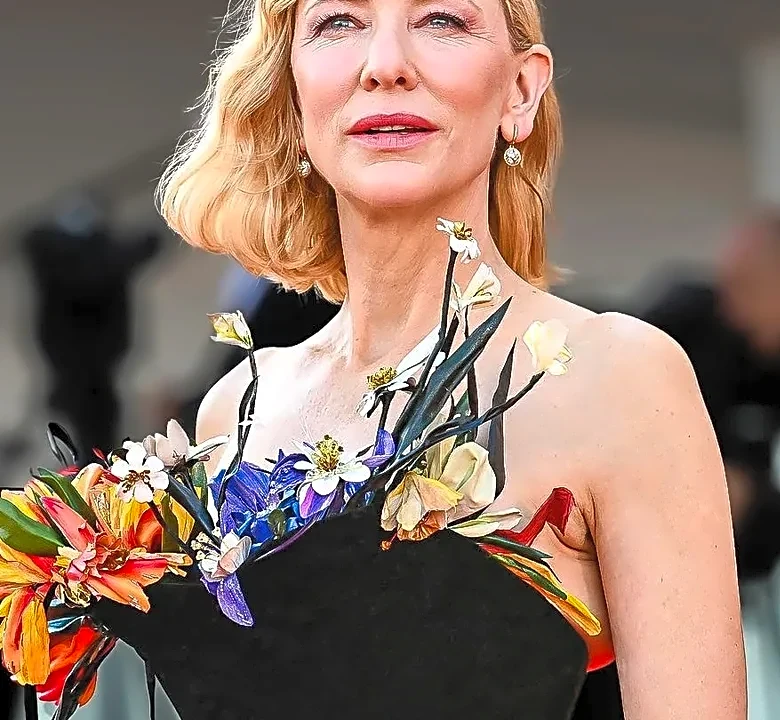
The 2026 Venice Film Festival has become a masterclass in navigating this very tension. The most successful looks aren't abandoning glamour but are infusing it with personality. Take Amal Clooney in a custom Tom Ford column gown; its silhouette was classic, but the architectural strap detailing felt modern and fresh, nodding to early-2000s trends with a sophisticated twist. Claire Foy arrived in a stunning tomato-red Bottega Veneta gown—a perfectly ceremonial choice—but paired it with burgundy leather opera gloves, adding a subtle, unexpected edge. Similarly, Nina Dobrev's black sequined Armani Privé dress was pure red-carpet formality until sweeping panels of sheer chartreuse chiffon appeared at the hips, a bold disruption of a classic look. Each of these outfits honored the formal setting while refusing to be defined by it.
Rewriting the Red Carpet Rules
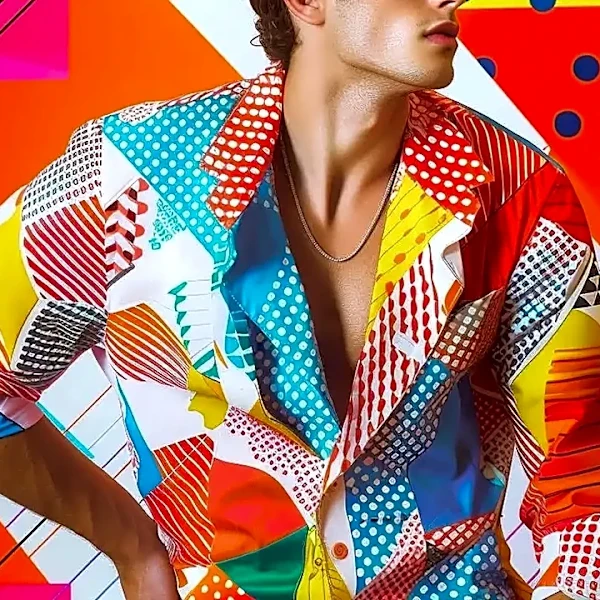
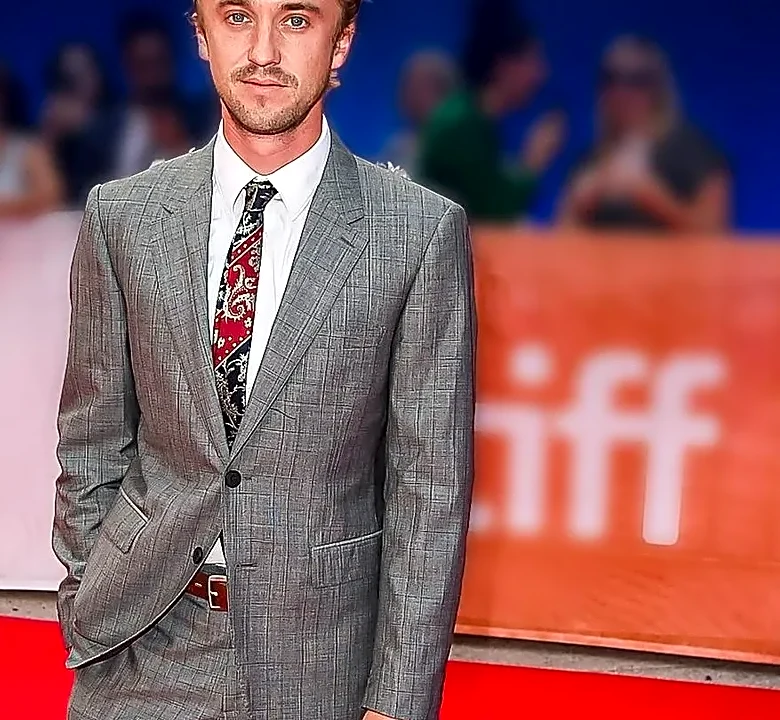
This balancing act extends beyond just adding a pop of color or a surprising accessory. Some stars are subtly rewriting the rules of formalwear altogether. At this year's festival, jury president Maggie Gyllenhaal was seen pairing a formal look with flat slippers, a quiet but deliberate rejection of black-tie's rigid footwear demands. In menswear, actors like Nicholas Galitzine opted for jacketless ensembles, challenging the traditional tuxedo's dominance. These choices demonstrate a broader shift in mindset. The dress code is no longer a strict set of rules but a creative starting point. Whether it's through a non-traditional silhouette, an archival piece with a unique story, or a detail that winks at the wearer's personality, stars are proving that you can respect the ceremony without sacrificing the self.