



The Grand Plan
Every film festival devotee knows the ritual. The program for the BFI London Film Festival drops, and the meticulous planning begins. This year, running from October 7th to the 18th, offers a dizzying 251 titles. You draw up a perfect schedule, a beautiful
mosaic of must-see galas, obscure foreign gems, and edgy documentaries. You’re an architect of art, planning to dash between BFI Southbank and the Royal Festival Hall with tactical precision. The first few days are a euphoric blur. You’re powered by caffeine, adrenaline, and the thrill of discovery, living a heightened version of your movie-loving life. You see the heavy-hitting premiere, maybe Simon Stone's 'Elsinore' or Jesse Eisenberg’s closing-night film 'The Debut'. You dutifully take in a challenging, highly-touted restoration like Ken Russell's 'The Devils'. You feel smart, engaged, and culturally relevant. This, you tell yourself, is what it’s all about.
The Fatigue Sets In
Then comes the turning point. It might be after your fifth film in two days, or during a particularly dense Q&A. The screen starts to feel less like a window and more like a wall. This is attention fatigue, the burnout that comes from making too many decisions and processing too much information. Psychologists call it 'decision fatigue', a state where your brain, tired from constant choices, starts looking for shortcuts. Attending a festival isn't just passive viewing; it’s an active, mentally draining marathon of scheduling, navigating crowds, and emotionally investing in complex narratives. After a while, your brain’s ability to process nuance and embrace challenge dwindles. The part of you that was excited for a 'thought-provoking piece of contemporary cinema' is now just tired. That ambitious spreadsheet starts to look less like a plan and more like a cruel joke you played on your past self.
The Search for Cinematic Comfort Food
When attention fatigue hits, your entire decision-making process shifts. The 'paradox of choice'—where too many options lead to paralysis—becomes your reality. Faced with another block of challenging films, your brain rebels. Suddenly, the most appealing film isn't the critically acclaimed Bosnian drama; it's the 90-minute comedy you’ve already heard good things about. You start gravitating toward simplicity and familiarity. Your choices become less about artistic merit and more about cognitive ease. Will it make you cry? Hard pass. Does it have subtitles? Maybe not tonight. Is it playing at the theater closest to your hotel? Sold. This is the comfort food stage of festival viewing. You’re not seeking enlightenment anymore; you’re seeking refuge. You might even find yourself enjoying a film you'd normally dismiss, simply because it asks nothing of you.
The Final-Day Compromise
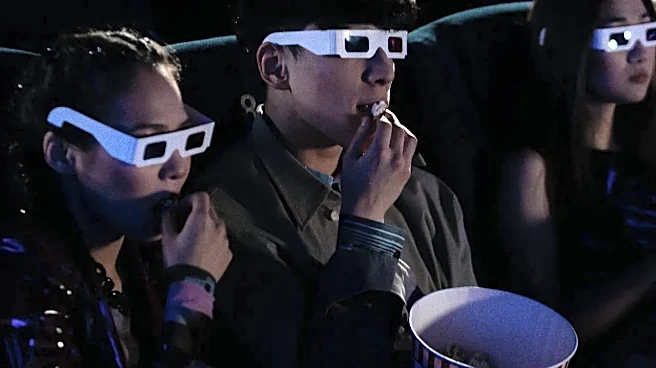
By the last day of the festival, you are a battle-hardened veteran of the cinema. You’ve survived on popcorn and lukewarm coffee, your eyes are bleary, and your carefully curated watchlist is a distant memory. You have one last screening slot. Do you rally for that one essential film you missed? Or do you just see whatever your friends are going to, saving yourself the mental energy of one last decision? More often than not, you choose the path of least resistance. The final pick is often a compromise, a social choice, or simply an act of surrender. You might walk out of the closing film feeling a mix of satisfaction and regret for the films you didn't see. But that’s the secret of the festival experience. The exhaustion, the abandoned plans, and the surprising detours are as much a part of the story as the films themselves. It’s a reminder that sometimes, the journey through the festival is even more telling than the destinations you planned to visit.