



The World Gets the Same Invitation
A good block party works because everyone’s invited. Soccer’s biggest stage, whether it's the World Cup or a major continental championship like the Euros, is arguably the most accessible, universal spectacle on Earth. The game’s beauty is its simplicity.
You don’t need a deep understanding of complex rules to appreciate the core drama: ball, two nets, incredible skill, and primal joy. Unlike American football or baseball, which can feel dense with strategy and stats, a casual viewer can grasp the stakes of a soccer match in minutes. This low barrier to entry means that from a cafe in Buenos Aires to a pub in London or a public square in Lagos, billions of people receive the same cultural invitation. They are all tuning in to watch a story they can instantly understand.
A Shared Global TV Schedule
For about 30 days, a significant portion of the planet syncs its watches. The tournament schedule creates a global rhythm. Suddenly, a 2 p.m. weekday match becomes a valid reason to gather. Workplaces set up screens in break rooms. Friends rearrange plans. Time zones bend to the will of the game; fans in Australia get up at 3 a.m. while those in Brazil take a long lunch. This shared schedule creates a powerful, if temporary, collective reality. It’s the world’s biggest watercooler topic. You can travel to another country and strike up a conversation with a stranger about the previous day’s shocking upset or a stunning goal. For a month, we’re all on the same page, living the same narrative arc of underdog triumphs and titan falls.
Friendly Rivalry and Adopted Teams
At a block party, you have your friendly neighborhood rivalries—who has the best barbecue, whose lawn is greener. A global soccer cup is that on a massive scale. National pride becomes the main currency, but it’s expressed with a festive, competitive spirit. The streets fill with face paint, flags worn as capes, and spontaneous singing. But the real magic is what happens when your team gets knocked out. You don’t just stop watching; you pick a new team to root for. Maybe it’s the exciting underdog from Africa, the stylish South American squad, or just the team with your favorite player. This act of 'adopting' a team keeps the party going and turns neutrals into temporary, passionate fans. It’s less about bitter division and more about finding a new reason to cheer.
The World’s Living Room Opens Up
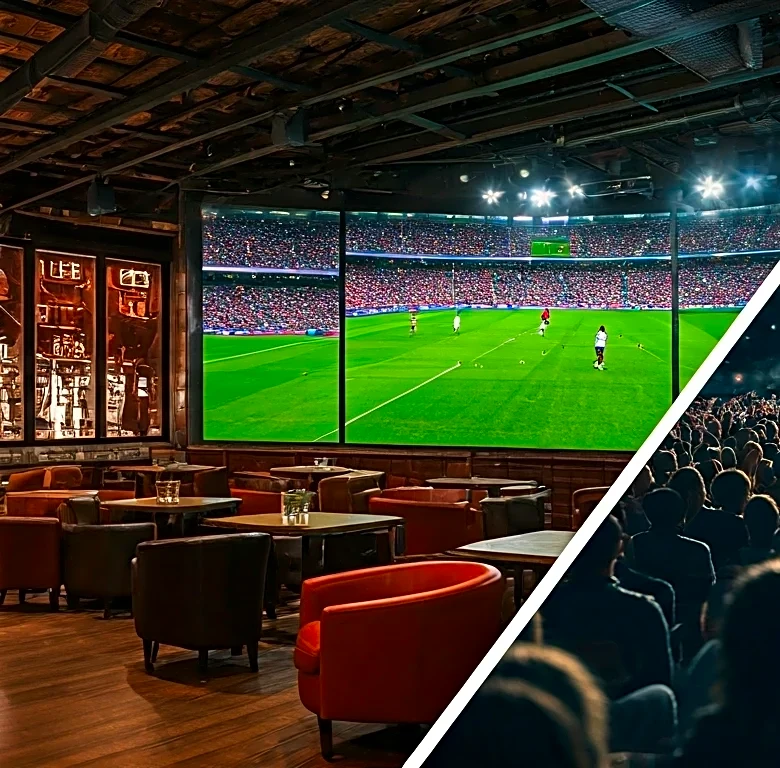
The 'party' isn’t just a metaphor; it's a physical reality. Cities across the globe set up massive outdoor viewing areas, turning parks and plazas into sprawling living rooms. Thousands of people who have never met stand shoulder-to-shoulder, sharing the collective agony of a missed penalty and the explosive joy of a last-minute winner. Bars and restaurants are packed to capacity, with screens visible from every angle. This communal viewing is the heart of the experience. It transforms a passive act—watching TV—into an active, participatory event. The shared gasps, cheers, and groans create a powerful bond, reinforcing the sense that you are part of something much larger than yourself. It’s a level of public, spontaneous gathering that few other events can inspire.