


The Power of Perception
In the world of sports psychology, red is a power color. Studies have consistently shown that the color is associated with dominance, aggression, and energy. For an athlete, this can be a double-edged sword that works entirely in their favor. Research
has indicated that athletes wearing red are often perceived by their opponents as more aggressive and dominant, which can create stress and chip away at a competitor's confidence. One study on combat sports in the Olympics even found a statistical advantage for competitors in red, suggesting the color was enough to tip the balance in closely fought contests. In a one-on-one duel like tennis, where mental fortitude is just as critical as a powerful forehand, this perceived edge can become a tangible advantage over a three- or five-set battle.
A Pop of Psychological Warfare
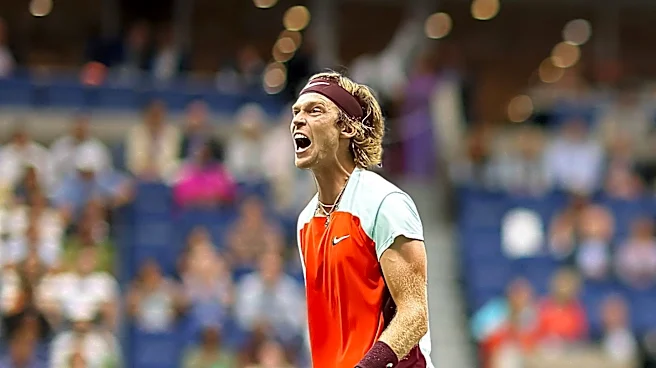
While a full monochrome red kit makes a bold statement, the strategic use of red accents—a headband, wristbands, or shoes—can be a more subtle yet equally potent tool. It's a concentrated dose of intimidation. This approach allows players to harness the psychological weight of the color without fully committing their entire look to it. Think of it as a visual cue, a constant reminder to the opponent across the net of the wearer's intensity. An athlete's heart rate can even increase when facing a competitor in red. For the player wearing it, the accessory can serve as a personal trigger for focus and energy, a small piece of armor that helps them channel a more aggressive mindset. It’s a deliberate choice to project confidence and control, turning a simple accessory into a piece of tactical equipment.
Red on the Grand Stage
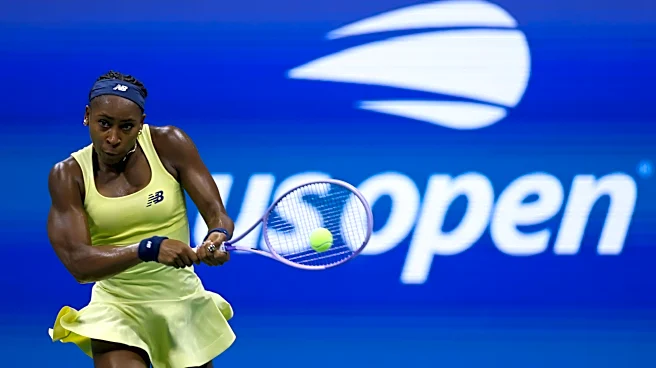
The history of tennis is dotted with iconic players who understood the power of red. From the fiery passion of Spanish clay-court kings to the defiant confidence of American champions, red has often been the color of choice for players looking to make a statement. Its power is perhaps most pronounced at tournaments without strict dress codes, standing in stark contrast to the all-white mandate of Wimbledon. Breaking out a red accessory at a major like the US Open is a way for a player to stand out from the pack and signal their intent. Recent tournaments have seen a surge in red, with players like Marta Kostyuk sporting elegant red Wilson dresses at the 2026 US Open. A year prior, the 2025 US Open was described as a sea of red, with stars like Naomi Osaka and Coco Gauff embracing the color. Gauff's signature New Balance shoes have even incorporated 'Urgent Red' as a nod to the kit she wore during her first Grand Slam victory.
More Than Just a Color
Ultimately, a red wristband won't teach you how to hit a better serve, and red shoes won't win a championship on their own. But in a sport of inches and split-second decisions, the psychological component of competition cannot be overstated. Color can influence mood, perception, and even physical reactions. When players choose to wear red, they are tapping into a deep-seated biological and cultural signal of dominance and threat that exists even in the animal kingdom. It's a signal that they have arrived not just to play, but to dominate. In the high-stakes theater of professional tennis, every small advantage matters. A flash of red is a clear signal that a player is ready for a fight, and that they fully intend to be the one left standing when the dust settles.