







The Original No-Win Scenario
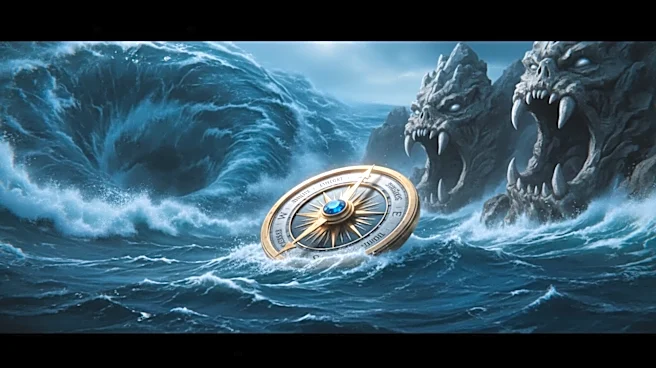
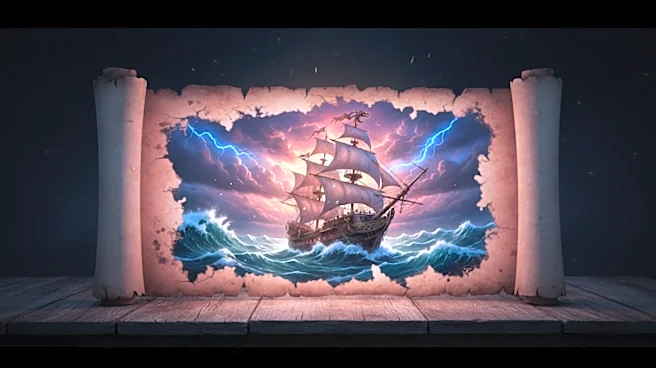
In Homer's epic poem, The Odyssey, the hero Odysseus must sail his ship through a narrow strait guarded by two terrifying monsters. On one side is Scylla, a six-headed beast who snatches sailors from the decks of passing ships. On the other is Charybdis,
a monstrous whirlpool that can swallow a whole vessel. The sorceress Circe advises Odysseus that he cannot avoid both; he must choose which danger to face. He can steer toward Charybdis and risk losing everyone and everything, or he can sail closer to Scylla, accepting the certain death of six of his men to save the rest. Odysseus makes the agonizing choice to sacrifice a few for the survival of the many, a decision that haunts him. This story has endured for millennia because it’s the ultimate metaphor for an impossible choice, where every option leads to loss.
From the Battlefield to the Boardroom
The term "triage" comes from battlefield medicine, where medics with limited supplies must make harrowing decisions about who to treat. They categorize the wounded into three groups: those who will likely survive without immediate care, those who will likely die even with it, and those for whom immediate intervention will make the difference between life and death. Resources are focused on the third group to do the most good for the most people. In the corporate world, this has become "moral triage." It's the process leaders undergo when faced with crises where not every stakeholder, project, or principle can be saved. A senior leader once noted that as you climb the ladder, the easy decisions are made by others; all that's left for you are the choices between "bad and bad." It’s not about finding a win-win; it’s about choosing the least-worst option and bearing the consequences.
When Every Option Hurts
This is where the ancient myth and the modern concept collide. For today’s leaders, Scylla and Charybdis are not literal monsters but competing, often irreconcilable, demands. Charybdis might be the whirlpool of bankruptcy that threatens to sink the entire company. To avoid it, a CEO might have to steer toward the Scylla of mass layoffs, sacrificing the livelihoods of dedicated employees to keep the ship afloat. The Charybdis of a massive product recall could mean financial ruin, but sailing near the Scylla of concealing a defect risks catastrophic reputational damage and legal action if the truth emerges. Choosing between these paths forces a leader into moral triage. Do you bleed money, or do you bleed talent? Do you uphold a short-term ethical principle at the cost of long-term viability? There is no clean answer, only a calculation of which loss is more bearable for the greater good of the organization.
The Modern Leader's Odyssey
These dilemmas play out daily in offices across the country. Consider the tech startup founder who must decide between burning through cash to retain a full workforce during a downturn (risking total collapse) or cutting a third of her team to extend the company’s runway (guaranteeing hardship for those let go). Think of the factory manager who has to choose between investing in expensive but critical safety upgrades—potentially forgoing employee bonuses—or maintaining the status quo and hoping a serious accident never occurs. Even small-team leaders face these choices, like deciding which of two underperforming but well-liked employees to remove from a key project. These are not simple spreadsheet calculations; they are deeply human decisions where leaders must weigh competing values and the tangible impact on people's lives. The best they can often hope for is to make a choice that aligns with a core set of values and a clear vision for the future.