

The Age of Ambiguity
Call it what you will: the unresolved ending, the moral gray zone, the narrative puzzle box. The single most potent device in a modern dramatist’s toolkit is strategic ambiguity. This isn't about lazy writing or forgetting to tie up loose ends. It's a deliberate
choice to withhold certainty. It’s the decision to cut to black a half-second too soon, to leave a character’s true motive unspoken, or to present a history where the facts are intentionally murky. Where a conventional drama gives you a satisfying three-act structure with a clear resolution, a film built on ambiguity hands you a question and asks you to solve it. It’s the difference between a story that gives you answers and a story that makes you question what you even saw.
From Viewer to Detective
So why is this so effective? Because it respects the audience’s intelligence and, more importantly, demands their participation. In an era of passive scrolling and algorithm-fed content, a story that requires you to lean in and form an opinion feels like an event. It transforms you from a consumer into a co-author of the film's meaning. When a film ends and the first thing you do is turn to your friend and ask, “Wait, so did he…?” the movie is no longer just on the screen. It’s alive in the space between you. This is the engine of modern buzz. It fuels social media debates, think pieces, and podcast dissections that keep a film relevant long after its opening weekend. A neat, tidy ending is forgotten by the time you get to the car. An ambiguous one can haunt you for years.
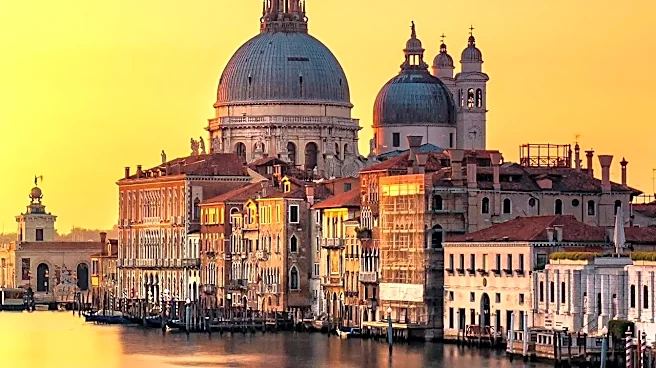
The Venice Buzz Machine
The Venice Film Festival is a perfect incubator for this kind of storytelling. The 2026 lineup, for instance, is packed with directors known for navigating murky psychological and moral waters. A filmmaker like Florian Zeller, whose new film is the psychological drama “Bunker,” built his name on the masterful disorientation of “The Father.” Likewise, Martin McDonagh’s dark comedy “Wild Horse Nine” comes from a writer-director whose films, like “The Banshees of Inisherin,” excel at leaving audiences wrestling with sympathies and outcomes. These aren’t simple stories of good versus evil. They are complex, often frustrating portraits of humanity that invite interpretation. By debuting at a prestige festival, these films aren't just seeking awards; they are seeking validation for their challenging narratives. They want to be the film that everyone is talking about, and ambiguity is the surest way to start that conversation.
The Fine Line Between Genius and Gimmick
Of course, there’s a risk. When handled poorly, ambiguity can feel like a cheap trick—a pretentious gimmick designed to mask a story that has nothing to say. For every masterpiece of suspense that earns its open-ended finale, there’s a frustrating drama that simply feels unfinished. The key is intent. A great ambiguous film provides all the necessary pieces; it just trusts the viewer to assemble them. The meaning is there, buried beneath layers of subtext and nuance. A bad one just throws a puzzle on the floor and walks away. The former creates a legacy of debate and fascination, ensuring a film is discussed and re-watched for decades. The latter creates a fleeting moment of annoyance, a story that felt like a waste of time because the storyteller couldn’t be bothered to finish it.