





The Temptation of the Tell-All Trailer
You can’t really blame the marketing departments. They’re sitting on nine-figure assets that need to turn a profit, and playing it safe feels like the only option. The conventional wisdom in Hollywood is that audiences are risk-averse. To get them into
theaters, you have to show them exactly what they’re paying for: the giant monster, the superhero team-up, the massive explosion. This leads to what feels like a marketing checklist. Show the hero's mission? Check. Reveal the villain's identity? Check. Tease the second act plot twist? Double check. The result is a trailer that functions less as a teaser and more as a two-and-a-half-minute summary, leaving nothing to the imagination.
Why Modern Trailers Kill the Magic
The problem is that this strategy fundamentally misunderstands why people love movies. We don't go to the cinema to confirm a checklist of scenes we've already watched on our phones. We go to be surprised, to be thrilled, to experience a story as it unfolds. Marketing that over-explains creates what psychologists call an information gap, and then immediately fills it. Instead of creating a sense of curiosity that can only be satisfied by buying a ticket, it provides all the answers upfront. The suspense is gone. That jaw-on-the-floor moment from a major character reveal is reduced to a nod of recognition, because you already saw it in the trailer two months ago. This spoiler-heavy approach has become so common that some of cinema's biggest twists, from a character's survival to a villain's identity, are now routinely given away.
Franchise Fatigue and the Spoiler-Verse
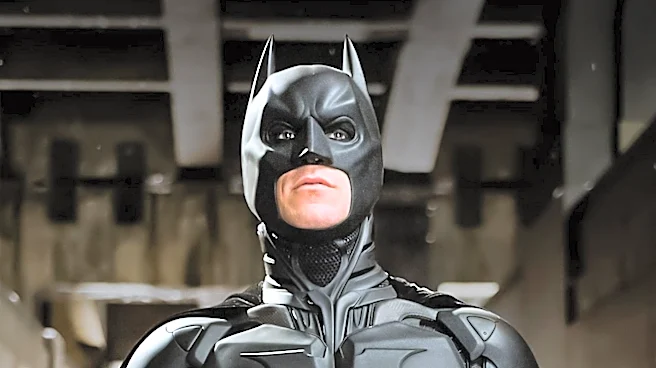
This mistake is particularly damaging for the massive franchises that dominate the July slate. When you’re on the fifth sequel or part of a sprawling cinematic universe, audiences are already familiar with the world and its heroes. The single most valuable currency a new installment has is its plot. What happens next? That’s the question that drives engagement. Yet, campaigns frequently spoil their own best moments. Famously, the trailer for "Terminator: Genisys" revealed that the hero, John Connor, had become a villain—the central twist of the entire film. Similarly, trailers for "Batman v Superman: Dawn of Justice" gave away the climactic appearance of Doomsday, robbing the movie of a major third-act surprise.
The Enduring Power of a Good Tease
It doesn’t have to be this way. The most legendary marketing campaigns understood the power of restraint. The campaign for 1999's "The Matrix" simply asked, “What is The Matrix?” and showed a few mind-bending visuals, leaving audiences desperate to find out. The early marketing for "The Blair Witch Project" was a masterclass in building a myth, using the nascent internet to create an aura of terrifying authenticity without showing a single monster. More recently, directors known for prioritizing the audience experience have pushed for more minimalist, mood-setting trailers that preserve the film's secrets. These campaigns trust their audience. They understand that the goal isn't just to sell a movie, but to sell the experience of seeing that movie for the first time.