



The Currency of Power Isn't Fire, It's Words
In the world George R. R. Martin built, spectacle is the exclamation point, not the sentence itself. While its predecessor, *Game of Thrones*, eventually became defined by its massive set pieces—zombie hordes, naval combat, city-wide destruction—*House
of the Dragon* reminds us that the real action in Westeros has always been verbal. The most dangerous weapons aren't swords or dragonfire, but whispers, accusations, and carefully chosen pleasantries. Small Council meetings are not bureaucratic filler; they are battlegrounds. Watch any scene where Otto Hightower navigates a conversation with King Viserys. Every word is a chess move, designed to subtly poison the king against his own brother, Daemon, or to elevate his own daughter, Alicent. These exchanges are dense with subtext, ambition, and barely concealed contempt. The explosions are just the inevitable result of these simmering tensions finally boiling over. The quiet is where the war is actually planned and, in many ways, won.
Rewatching for Dramatic Irony
A great show rewards a second viewing, and *House of the Dragon*’s rewatchability is baked into its quietest moments. Consider the early scenes between a young Rhaenyra Targaryen and Alicent Hightower. Lounging under the Weirwood tree, they share secrets and study history, their bond seemingly unbreakable. On a first watch, it’s a sweet depiction of female friendship. On a second, it’s an exercise in pure tragedy. Every shared glance and moment of trust is layered with the crushing knowledge of the bitter, hateful enemies they will become. We see Alicent’s dutiful nature and Rhaenyra’s burgeoning entitlement not as simple character traits, but as the fatal flaws that will tear a kingdom apart. The dragon fights are thrilling in the moment, but these scenes gain power and poignancy with every rewatch, revealing the human cost of the conflict long before the first drop of blood is spilled.
The Agony of the Last Supper
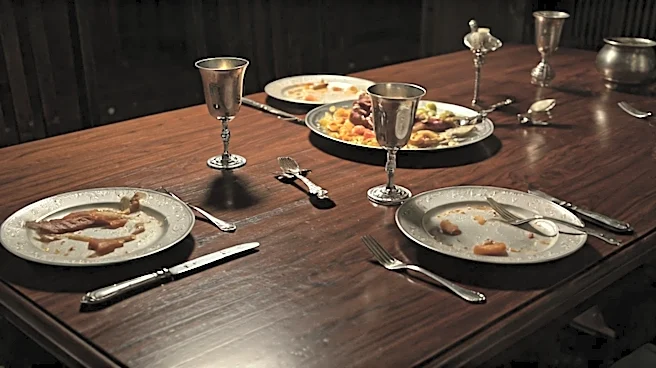
If you need a single exhibit for this argument, look no further than the family dinner in Episode 8, “The Lord of the Tides.” It is the show's masterpiece and contains no dragons, no battles, and only one (brief) moment of violence. A dying, disfigured King Viserys, held together by sheer will, drags himself to the Iron Throne one last time to defend his daughter's claim. Later, he hosts a supper, pleading with his fractured family to make peace. For a fleeting moment, it almost works. Rhaenyra and Alicent offer toasts, acknowledging their shared history and love for the king. You can feel decades of resentment momentarily melt away. The tension is unbearable because we, the audience, are as desperate for them to succeed as Viserys is. The scene is a masterclass in performance, with Paddy Considine delivering one of the great television turns of the decade. It’s emotionally explosive, proving that the deepest wounds are inflicted not by steel, but by love, regret, and the desperate hope for a peace that can never be.
Building Stakes, Not Just Spectacle
Ultimately, the quiet scenes are what give the loud ones their meaning. Aemond Targaryen claiming the colossal dragon Vhagar is a cool sequence. But its power comes from the tense, wordless funeral that preceded it and the brutal aftermath where he loses an eye. The fight above Storm's End between Lucerys and Aemond is visually stunning, but its horror stems from that family dinner—it’s the catastrophic unraveling of Viserys’s final wish. Without the painstaking work done in council chambers, private apartments, and tense family gatherings, the dragon battles would be empty CGI. They would be visually impressive but emotionally weightless. *House of the Dragon* understands that for an audience to care about the fire, they first have to feel the slow, simmering burn of human ambition, betrayal, and love.