







The Parental Veto Power
Let’s start with the traditional gatekeepers: the parents. They hold two key pieces of leverage—the wallet and the rating system. With the cost of a family movie outing easily topping a hundred dollars after tickets and snacks, parents are exercising
more financial scrutiny than ever. The summer of 2026 has shown that families are skipping movies that feel like a lesser version of something they already own, like the live-action 'Moana', which has struggled to attract audiences who prefer the animated original. Parents are the ultimate backstop against anything too mature, too violent, or simply too nonsensical for a shared experience. They are the reason the family probably won't be seeing 'Jackass: Best and Last' on a Saturday afternoon. This power is less about dominating the choice and more about defining the boundaries of what is acceptable, steering the family ship away from R-rated waters and toward the safer harbors of PG or PG-13.
The Teenager’s Cultural Currency
While parents hold the purse strings, teenagers hold the keys to cultural relevance. Their choices are dictated by a powerful, invisible force: what’s trending. They know which superhero is having a moment, which actor is all over TikTok, and which movie their friends are dissecting on Discord. To a teen, a parent’s suggestion can feel hopelessly out of touch, while their own pick—like this summer's 'Supergirl' or 'Spider-Man: Brand New Day'—feels like a vital cultural event. The teen’s greatest weapon is the fear of being “cringe.” No parent wants to be the one who suggests a movie that elicits a withering sigh or a pitying eye-roll. This social leverage is potent, often pushing the family toward something more current and action-oriented than mom or dad might have chosen on their own. The teen argues for what's new and what matters now, making them the de facto tastemakers of the household.
The Wild Card: Younger Sibling Supremacy
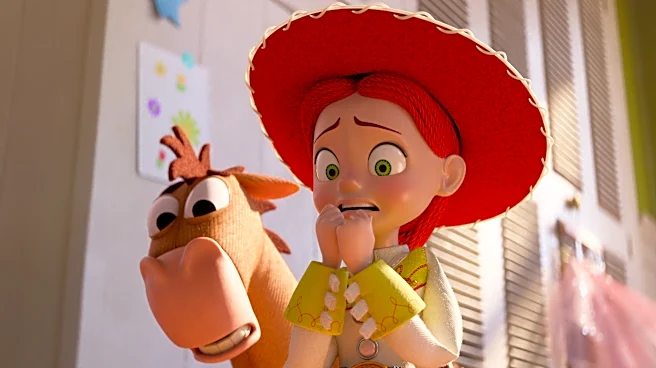
In this two-way struggle, a third power often emerges as the unexpected kingmaker: the younger sibling. The 7-to-11-year-old demographic can single-handedly derail a teen's sophisticated plea for a complex narrative and a parent's desire for nostalgic comfort. Their demands are simpler and often more absolute. This summer, that power is visible in the unstoppable appeal of franchises like 'Toy Story 5' and 'Minions & Monsters'. While the teen argues for 'Supergirl', the 9-year-old wants more Woody and Buzz. While the parents might be curious about a new drama, the elementary schooler's loyalty to the yellow Minions is unwavering. This often leads to a compromise where the family lands on the most broadly appealing, and often youngest-skewing, option. 'Paw Patrol 3', for instance, is a guaranteed win for the under-10 crowd, making it a default choice for families with a significant age gap between kids.
The Art of the Family Compromise
So, who actually wins? More often than not, nobody—and everybody. The final decision is rarely a clear victory for one faction but rather a complex treaty negotiated through a series of familiar tactics. There's the classic “one for you, one for me” agreement, where a trip to see 'Toy Story 5' this week is traded for a promise to see 'Supergirl' next week. There's the appeal to shared nostalgia, where parents might successfully pitch a re-release of a classic like 'Willy Wonka and The Chocolate Factory' by framing it as a cultural history lesson. Ultimately, the most common outcome is the Consensus Pick: the one movie that nobody loves with a passion, but nobody actively hates. It’s the film that generates the least amount of friction, a cinematic Switzerland that brings peace to the living room. It's often an animated powerhouse from a studio like Pixar or Illumination, engineered for maximum four-quadrant appeal.