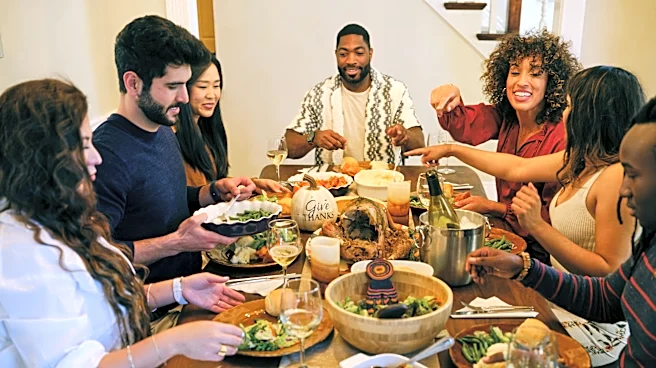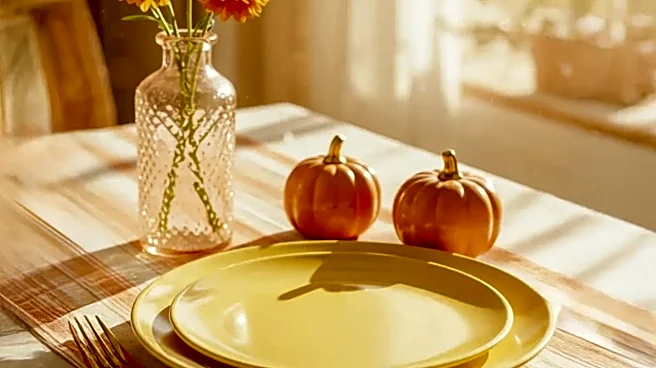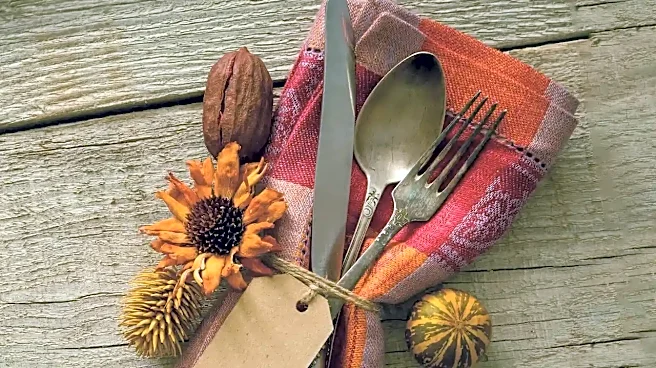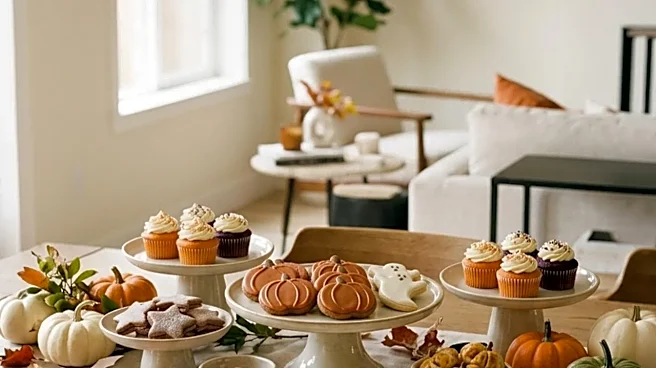






Look closely at any Thanksgiving table this year. Past the turkey and the chaos, you’ll see it: a carefully curated stage. Every platter, glass, and chair is part of a set design that tells the unspoken history of a family’s journey.
The Table as a Timeline
The foundation of
this 'set' is often the table itself, a landscape of layered time. Perhaps it’s draped in a lace tablecloth your great-grandmother crocheted, its delicate threads a testament to a different era of domestic artistry. On top might sit fine china from a 1960s wedding registry, its elegant, maybe slightly faded, pattern a ghost of mid-century aspirations. Beside it, modern, minimalist stoneware plates bought last year reflect a new generation's aesthetic. This mix-and-match approach, born of necessity and sentiment, turns the table into a physical timeline. It’s a quiet conversation between the past and the present, where grandma's formal gravy boat shares space with a sleek, store-bought cranberry sauce dish. Each object is a tangible link to the person who first brought it into the family, representing their values, tastes, and traditions.
Hero Props and Their Stories
Every family has its 'hero props'—those singular items that carry the most narrative weight. It could be the heavy silver carving knife, only used once a year, its handle worn smooth by the hands of fathers and grandfathers. Or maybe it’s the chipped ceramic platter, a survivor of countless holiday meals, its imperfection a cherished part of its story. These aren't just objects; they are artifacts steeped in memory and ritual. Using them connects the present gathering to all the Thanksgivings that came before, creating a sense of continuity that can be deeply comforting in a fast-changing world. These heirlooms spark conversations, prompting older relatives to share stories about who owned them and the memories attached, ensuring the family's oral history is passed down along with the physical item.
A Supporting Cast of Chairs
Look beyond the table to the supporting cast: the chairs. Rarely is there a perfectly matched set. Instead, you find a collection assembled over years. There’s the formal dining set, the sturdy kitchen chairs, a couple of folding chairs from the garage, and maybe an office chair wheeled in for extra seating. This motley crew tells a story of a family that has grown. The mismatched chairs are silent markers of expansion—of new spouses, partners, and friends welcomed into the fold. The infamous 'kids' table,' often a card table in the corner, serves as its own set, a training ground for future Thanksgiving hosts. It’s here that the next generation learns the rhythms and rituals of the day, from the saying of grace to the inevitable post-meal nap.
When Tastes and Traditions Evolve
This generational set design isn’t always harmonious. Tension can arise when a younger family member, influenced by modern trends like minimalism or sustainability, wants to introduce new elements or retire older ones. The desire for a fresh aesthetic can clash with the nostalgic attachment to the old ways. This negotiation is itself part of the family story. Deciding whether to use the 1970s avocado-green casserole dish is a small-scale debate between heritage and personal style. Increasingly, younger generations are finding ways to blend the two, seeking out thrifted, vintage pieces that feel both personal and sustainable, or finding new ways to incorporate family heirlooms into a more contemporary setting. This evolution shows that family tradition isn’t static; it’s a living, breathing thing that each generation adapts and adds to.