








The Final Summer at Electric Lady
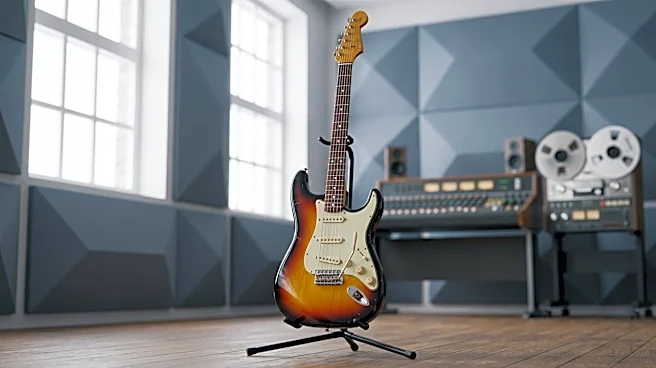
The summer of 1970 was a whirlwind for Jimi Hendrix. He was finally realizing a lifelong dream: opening his own state-of-the-art recording studio, Electric Lady, in New York's Greenwich Village. It was meant to be his creative sanctuary, a place to escape
the astronomical studio fees and endless touring that had defined his career. But the project was draining, and the pressure to create a follow-up to 1968's monumental 'Electric Ladyland' was immense. For ten weeks, Hendrix poured his energy into the studio, working on a collection of new songs that were bluesier, funkier, and more introspective. He recorded tirelessly, often in solo sessions, before flying to England in late August for a festival performance. He would never return.
A Song from an Unlikely Perspective
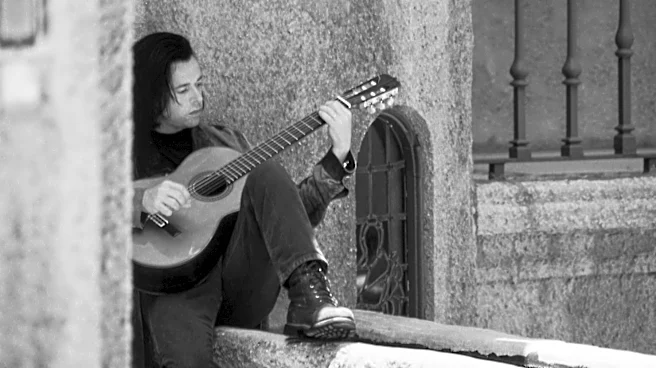
While there's some debate over the absolute final track he worked on, one song from these sessions provides the most haunting and intimate self-portrait: "Belly Button Window." Recorded as a solo demo on August 22, 1970, the track is stark and raw. It's just Hendrix, his guitar, and a wah-wah pedal creating a watery, muffled sound. Musically, it's a relaxed country-blues tune, a world away from the cosmic explosions of "Voodoo Child (Slight Return)." But it's the lyrics that are truly startling. The entire song is written from the perspective of a fetus in the womb, looking out at the world and wondering if it should even bother being born.
Looking Out My Belly Button Window
"Well, I'm up here in this womb, I'm looking all around," Hendrix sings in a weary, conversational tone. "Well, I'm looking out my belly button window, and I see a whole lot of frowns. And I'm wondering if they don't want me around." The unborn narrator contemplates returning to "Spirit Land" for a longer rest, telling his parents to make up their minds because they "only got two hundred days." It's a surreal and surprisingly poignant concept. The song's narrator sees a world of conflict ("fuss out there") and questions whether it's worth entering, given the circumstances.
A Window into the Soul
So why is this quirky song considered so personal? Many interpret it as an autobiographical reflection on Hendrix's own unhappy childhood in a broken home. It can be heard as him imagining a conversation with his own parents, questioning the world he was brought into. The song strips away the rock god persona, revealing a man grappling with fundamental questions of existence, love, and hate. The raw, demo-like quality adds to the intimacy; it feels less like a performance and more like eavesdropping on a private thought. Unlike his grander statements on war and peace, "Belly Button Window" is a deeply internal monologue, full of doubt and a dark, weary wit. It was posthumously released on the album 'The Cry of Love' in 1971, giving the world a final, unexpected glimpse of the man behind the myth.