





The Core Misconception: It’s Not a Looser Skinny Jean
The number one mistake shoppers make is treating a straight-leg jean as a slightly roomier version of a skinny jean. This isn't the case. A true straight-leg jean is defined by its consistent width from the hip all the way down to the ankle opening. Unlike
skinny jeans, which taper and hug the calf and ankle, or bootcut jeans, which flare out, a straight-leg creates a clean, uniform vertical line. The fit should be comfortable through the thigh without being baggy, then fall straight down from the knee. Thinking of it as a relaxed skinny jean leads people to buy pairs that are too tight in the calf or don’t have the correct architectural shape, defeating the purpose of the cut.
The Inseam and Ankle Dilemma
Length is where many straight-leg dreams fall apart. The ideal straight-leg jean should end right around the ankle bone. This allows the fabric to fall cleanly and showcase your footwear. When they’re too long, they bunch up, creating a messy look that designers call a “break,” which disrupts the clean line. When they’re too short, they can look like ill-fitting capris. The goal is a length that grazes the top of your shoe, whether it's a sneaker, loafer, or boot. Many people don't realize that different retailers offer multiple inseam lengths (short, regular, tall) to achieve this perfect ankle-skimming fit.
Why the Rise is Everything
The rise—the distance from the crotch seam to the waistband—is a critical, often overlooked, element. It determines where the jeans sit and how they shape your torso. While low-rise styles exist, most modern straight-leg jeans feature a mid or high rise for a reason. A mid-rise sits comfortably at your natural waist, offering a classic and versatile fit. A high-rise, which sits at or above the navel, helps define the waist and creates a flattering, leg-lengthening silhouette that balances the straight leg opening. Choosing the wrong rise can throw off your body’s proportions, making an otherwise good pair of jeans look awkward.
Fabric Is More Important Than You Think
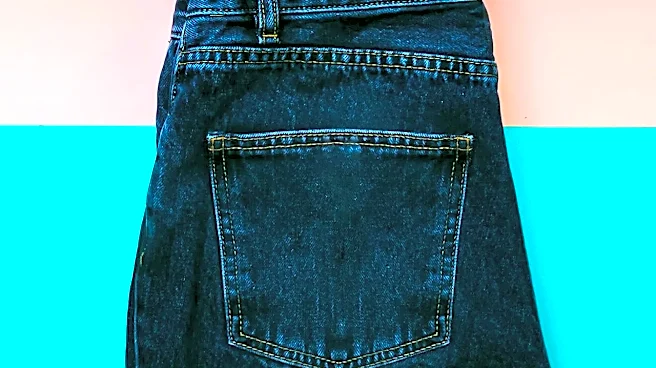
Not all denim is created equal. The fabric composition dramatically affects how a straight-leg jean fits and feels. Many shoppers are accustomed to the significant stretch found in skinny jeans. However, classic straight-leg styles are often made from more rigid, 100% cotton denim. This non-stretch denim holds its shape better, providing structure and the intended straight silhouette. While it requires a break-in period, it molds to your body over time. Stretch denim (look for 1-2% elastane) offers immediate comfort but can sometimes sag or lose its shape throughout the day. Misunderstanding this can lead to buying rigid denim too tight or stretch denim too loose, resulting in a poor fit either way.
The Secret is Proportional Styling
Even the perfect pair can look wrong without the right styling. Because straight-leg jeans don't hug the body, they create a different set of proportions. The key is balance. Avoid getting lost in fabric by defining your waist. Tucking in your shirt—even just a partial front tuck—or pairing the jeans with a cropped top immediately creates a more polished shape. If you're wearing a looser sweater or blazer, make sure your waist is accentuated with a belt or that the top isn't overwhelmingly long. For footwear, ankle boots that fit snugly under the hem, classic loafers, or simple sneakers all work beautifully to complete the clean, timeless look.