



The Prime-Time Advantage
For American soccer fans, the World Cup has always come with a compromise: waking up at dawn for a group stage match from Qatar, sneaking glances at a phone during work for a game in Russia, or taking a 'long lunch' for a knockout tie in Brazil. The single
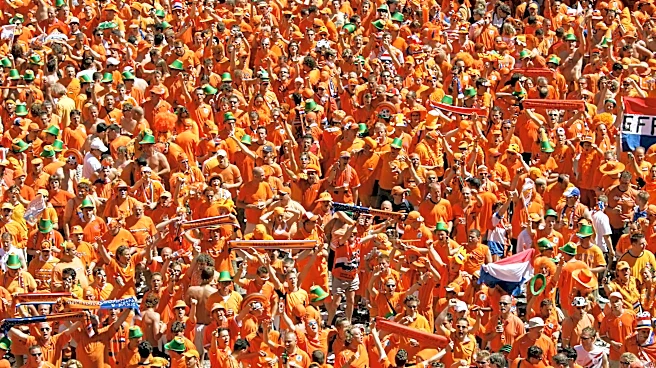
biggest factor that will change the game for 2026 is brutally simple: the time zones. With matches hosted across the U.S., Canada, and Mexico, a huge portion of the 104-game tournament will unfold during American prime time and happy hour. Gone are the 7 a.m. pint-clinking sessions. They will be replaced by 7 p.m. kickoffs that align perfectly with the social and commercial rhythms of American life. This allows for casual fans—the engine of any major sporting boom—to participate without effort. It’s the difference between a niche, dedicated event and a national, can’t-miss cultural phenomenon.
A New Generation of Fans
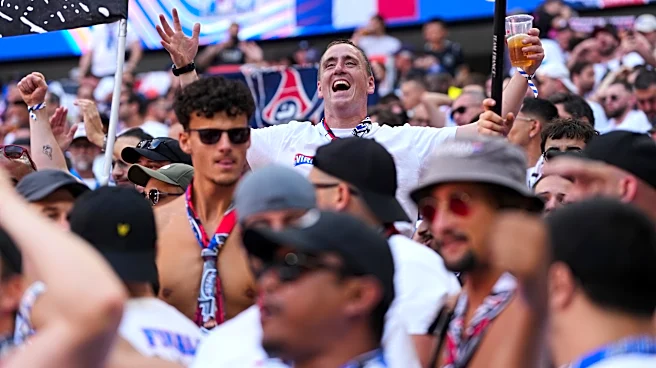
The stereotype of Americans being indifferent to soccer is dead. It was killed off by a generation that grew up with the sport as a native language. These are the fans who spent their childhoods playing EA Sports’ FIFA, who chose an English Premier League team to follow on Saturday mornings, and who have had unprecedented access to global soccer through streaming services. For them, the World Cup isn't a foreign curiosity; it’s the Super Bowl of the sport they love most. By 2026, this digitally native, soccer-literate demographic will be in its prime consumer years. They don’t just want to watch the game; they want the experience. They crave the communal joy and agony of the pub, a place to gather with fellow fans who understand the stakes, the chants, and the drama.
The Rise of the Soccer-Specific Bar
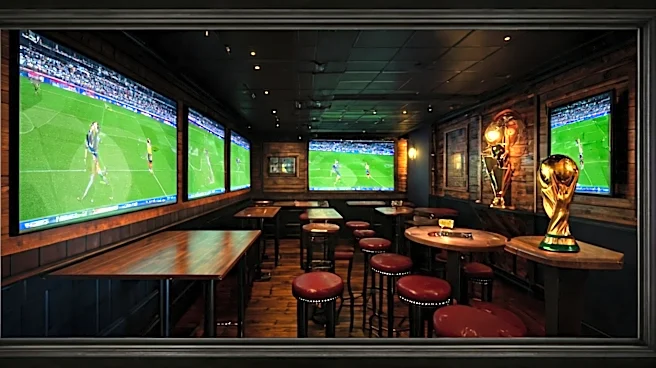
This isn't just about a traditional sports bar putting a soccer game on one of its 30 screens. The last decade has seen a boom in soccer-specific pubs and bars in cities across the country. These aren't just businesses; they are cultural hubs, often aligned with supporters' groups for specific European or MLS clubs. They have the scarves on the walls, they know which channels carry which obscure matches, and they pour the right kind of beer. When the World Cup comes to town—both literally in host cities and figuratively everywhere else—these venues are the established ground zero. They provide an authentic atmosphere that fans crave, a place that feels more like a European local than a generic American sports grill. For the millions of fans who won't be able to snag a high-demand ticket, these bars will be the next best thing to being in the stadium.
Home-Field Excitement on a National Scale
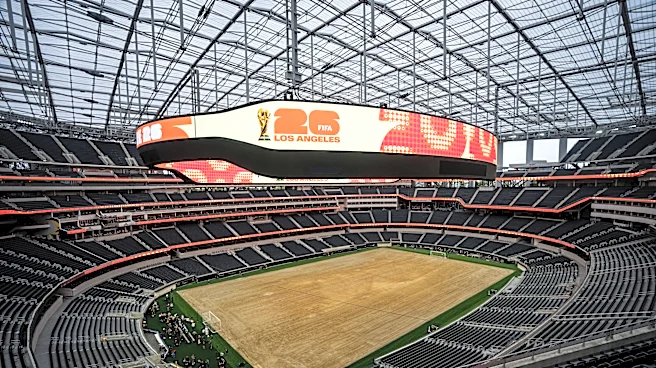
Hosting a sporting event brings a unique, localized energy. But with 11 U.S. cities—from Seattle to Miami, from Boston to Los Angeles—serving as official hosts, that energy will be dispersed nationwide. This isn’t a single-city Olympics; it's a coast-to-coast festival of soccer. Even in non-host cities, the proximity of the tournament will create a powerful sense of inclusion. The U.S. Men’s National Team, which will automatically qualify as a host, will galvanize patriotic support. Their matches will be national events, driving millions of Americans into bars to cheer on the home team. This combination of widespread host city pride and national team fervor ensures that the excitement won't be confined to a few metro areas but will be a shared experience across the entire country, filling bars from the biggest cities to the smallest towns.