







England: The NFL Playbook
England has turned the set-piece into a science. Even before the tournament, captain Harry Kane spoke of developing an “NFL-like playbook” to exploit opponent weaknesses. This preparation is paying off. With Declan Rice’s pinpoint deliveries from corners
and free kicks, England creates chaos. Their strategy often involves using multiple players to create blocks and screens, freeing up their primary aerial threats like Kane. We saw this in action in their nail-biting 2-1 victory over DR Congo, where Kane’s first goal came from a well-worked header. With their history of set-piece dominance in major tournaments, including scoring the most of any team in 2018, every dead ball against England feels like a penalty kick.
Germany: Deception and Movement
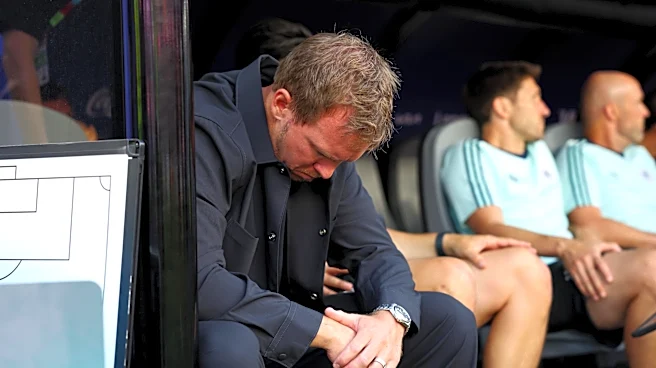
Despite a shock Round of 32 exit to Paraguay, Germany’s group stage performance showcased their sophisticated set-piece routines under Julian Nagelsmann. Their approach is built on clever movement and misdirection. In one notable routine, they used a short option to draw a defender out of the box, creating space for attackers to run into from deep. By using simultaneous blocks to impede markers, they created a clear path for a player like Nico Schlotterbeck to attack the ball uncontested. Though their tournament ended in disappointment, with a potential game-winning header from a corner controversially disallowed in their final match, the tactical foundation was clear. For 100 minutes, they showed how dangerous a well-drilled set-piece system can be.
Morocco: The Technical Powerhouse
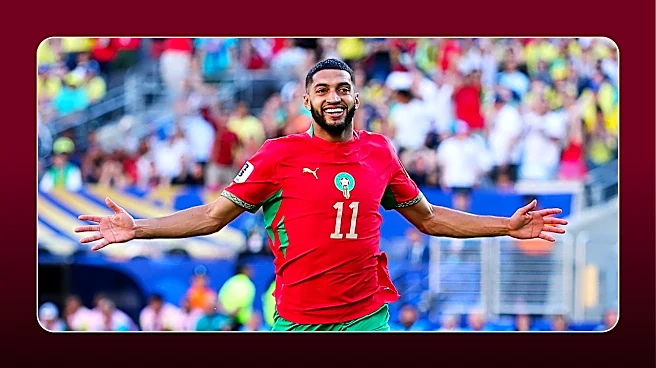
The Atlas Lions are no longer a Cinderella story; they are a legitimate powerhouse. Building on their semifinal run in 2022, Morocco combines defensive solidity with technical brilliance on the attack, and their set-pieces are a huge part of that. With world-class talent like Achraf Hakimi and Brahim Diaz standing over the ball, opponents are forced to defend against both a blistering shot from distance and a deadly accurate cross. This versatility makes them unpredictable and difficult to plan for. As a team that is comfortable absorbing pressure and punishing teams on the counter, the ability to snatch a goal from a dead-ball situation makes them one of the most tactically flexible and dangerous sides in the knockout rounds.
Norway: The Aerial Assault
Norway entered the World Cup with a reputation for being a physical nightmare, and they have lived up to it. With an average lineup height of around 6-foot-2, their entire game plan can revolve around aerial dominance. In strikers Erling Haaland and Alexander Sørloth, they boast two towering forwards who are nearly impossible to handle in the box. This height advantage is most pronounced on set-pieces, where the delivery from players like Martin Ødegaard consistently creates high-quality chances. After a dominant qualifying campaign where they scored 37 goals in eight games, their tactical approach is no secret: get the ball into the box and let their giants go to work. It’s a simple but brutally effective strategy that strikes fear into any defensive line.