




The Loneliest Position
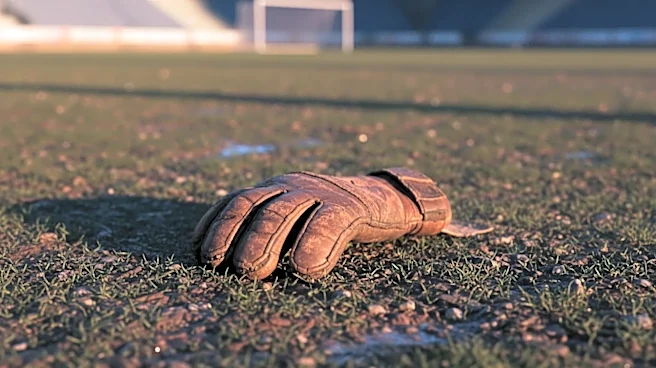
To understand the keeper's last stand, you first have to understand their existence. The goalkeeper is an island. They operate under a unique and immense psychological pressure, isolated from the flow of play for long stretches, only to be thrust into
a split-second, game-deciding moment. Their mistakes are magnified, replayed, and remembered, while their triumphs can be fleeting. This brutal reality forges a specific kind of person. Studies and observations show that top keepers possess incredible stress tolerance, emotional control, and a comfort with solitude. They spend careers learning to instantly reset after a conceded goal, developing a mental resilience that outfield players rarely need in the same way. This entire career is a trial by fire, building a psychological armor that becomes their greatest asset in their twilight years.
Experience Over Explosiveness
While an aging outfield player loses the explosive speed that their game depends on, a goalkeeper's decline is different. Their role relies less on covering miles of turf and more on skills that can actually sharpen with age: positioning, leadership, and an almost clairvoyant ability to read the game. An experienced keeper doesn't need a 20-year-old's reflexes if their brain, packed with thousands of hours of pattern recognition, tells them where the ball is going before it's even kicked. This allows for remarkable longevity. It's why nine of the ten oldest players in Premier League history have been goalkeepers. Their physical demands are different, focusing on short, explosive movements rather than the constant, high-intensity running that wears down the joints and cardiovascular systems of their teammates. This unique aging curve means keepers often hit their peak in their early 30s and can maintain a world-class level well into their late 30s and even early 40s.
The Ultimate Redemption Arc
This combination of mental fortitude and physical longevity sets the stage for the perfect final act. Take Italy’s Dino Zoff. In 1982, at 40 years old, he captained his country to a World Cup victory, becoming the oldest player ever to win the tournament. His manager praised his ability to remain calm in the most intense moments, a quality honed over a two-decade career. More recently, Gianluigi Buffon, another Italian legend, played until he was 45. After a storied career with Juventus, including sticking with the club when they were relegated, his return to his boyhood club Parma for one last run was a narrative goldmine. These stories resonate because they aren't just about winning; they're about validation. After a career spent shouldering blame and standing alone, a late-career triumph is the ultimate redemption. It’s the quiet hero, the last line of defense, finally getting their moment in the spotlight.
Guardians of the Narrative
The veteran keeper is more than a player; they are a walking, talking piece of club history. They are the leaders who command the defense, the coach on the field whose experience inspires confidence in the entire squad. When a team is under pressure, they look back and see a figure who has seen it all before. This calming presence can be the difference in high-stakes matches. Think of Peter Schmeichel, captaining Manchester United to a historic treble in 1999 in his final season with the club. His ferocious competitiveness and leadership were as crucial as his saves. The last dance of a keeper is often a story about a team rallying around its most steadfast servant for one final push. It’s a narrative of loyalty, resilience, and the quiet authority that can only be earned through time.