




The All-Too-Common Mismatch
We’ve all been there. You invest in a pair of cutting-edge running shoes—they’re cushioned, supportive, and feel like walking on clouds. On a whim, you try pairing them with your favorite dark-wash jeans or a clean pair of chinos for a weekend coffee
run. You look in the mirror and… something is off. The outfit feels clunky, disjointed. It looks less like a deliberate style choice and more like you forgot to change your shoes after a workout. This isn't a failure of your fashion sense. It’s a common problem that stems from a fundamental misunderstanding of sneaker design. Most men assume that if a sneaker is a neutral color, it should work with everything. But the real reason for the clash isn't the color; it's the shoe’s core identity. You're trying to force a piece of specialized athletic equipment to do the job of a versatile wardrobe staple, and the two roles are often at odds.
The Hidden Detail: It's All in the Sole
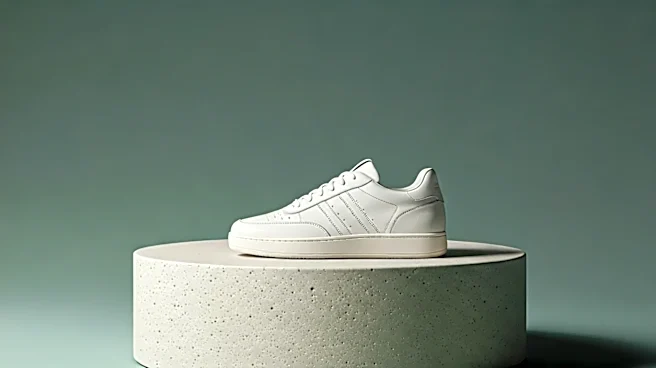
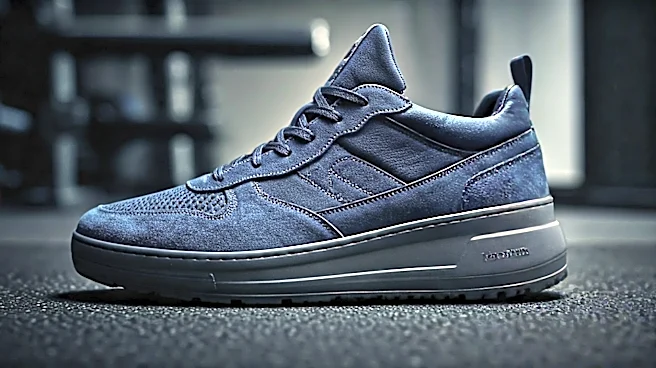
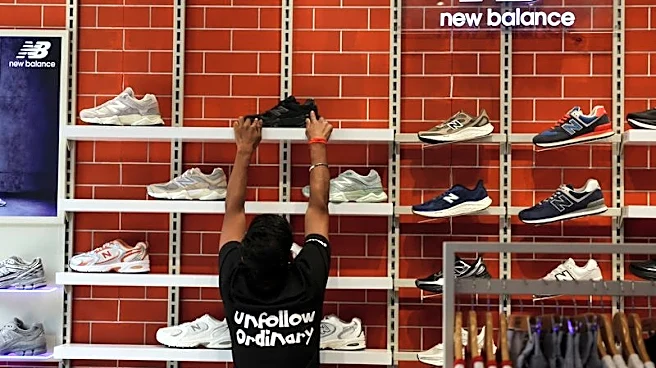
Here’s the secret: the single most important detail that determines if a sneaker can transition from the gym to the street is its sole silhouette. Specifically, look at the midsole—the chunky layer of foam between your foot and the rubber outsole. Performance-first gym shoes, whether for running, cross-training, or basketball, are engineered for one thing: function. This results in soles with specific characteristics: a high stack height (lots of cushioning), aggressive flares (wider at the base for stability), and complex, multi-part construction. Think of the thick, sculpted soles on modern Hokas or the angular, techy look of a new-age trainer. These designs scream “I’m here to absorb impact and support your ankle during lateral movements.” Versatile, style-forward sneakers, on the other hand, feature a more restrained sole. Their silhouettes are often flatter, more uniform, and streamlined. They may draw inspiration from classic court shoes (like an Adidas Stan Smith), skate shoes (like Vans), or heritage runners (like a classic New Balance 574). The sole on these shoes is designed to complement the foot’s shape, not to cocoon it in performance technology. This simple difference is the visual cue that separates “equipment” from “style.”
Why This Detail Changes Everything
The language of clothing is all about context. A bulky, flared, high-tech sole sends a powerful message: “I am for athletic activity.” When you pair that with a casual, non-athletic outfit like chinos and a sweater, you create a visual contradiction. Your shoes are shouting “gym” while the rest of your outfit is saying “brunch.” The brain registers this mismatch, even if you can’t quite put your finger on why it looks wrong. Conversely, a sneaker with a lower-profile, classic sole communicates intention. It doesn’t look like you just came from a 10k run. It looks like you deliberately chose a comfortable, stylish shoe that fits the relaxed context of your outfit. It grounds your look, providing a clean, coherent foundation instead of a jarring, technical one. This subtle shift transforms the entire vibe from accidental to put-together.
How to Spot the Right Shoe
Training your eye to see this difference is easy once you know what to look for. When you’re shopping for your next pair of versatile sneakers, ignore the marketing hype and just look at the shoe from the side. Ask yourself these questions: - Is the sole relatively flat and even from front to back, or does it have a dramatic curve and a thick heel? - Does the sole sit neatly under the shoe, or does it flare out significantly at the sides? - Does the design look clean and simple, or is it covered in grooves, pods, and different-colored sections of foam? Look for shoes that fall into the “clean and simple” category. These are your workhorses. Think of minimalist leather sneakers, classic canvas shoes, or “heritage” runners that have been updated with modern materials but retain their timeless, less-aggressive shape. These are the shoes that will look just as good with shorts and a tee as they will with smart trousers and a casual blazer.