
The Battle for Sound
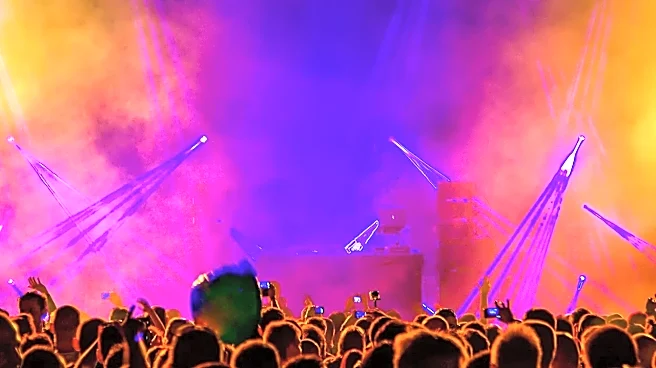
The most fundamental difference is the sound itself. In an outdoor festival setting like Austin City Limits, sound behaves erratically. It disperses freely, meaning it needs a much more powerful and directional audio system just to reach the back of a sprawling
field. Engineers battle wind, which can distort and carry away high frequencies, and even temperature changes that alter how sound travels. The result is often a massive, bass-heavy wave of sound designed for broad impact, but it can lack nuance. In a club, the opposite is true. Sound is contained by walls and a ceiling, creating a controlled environment. This allows for greater detail, clarity, and intimacy. You don’t just hear the kick drum; you feel it in your chest. The sound is immediate and immersive, allowing for subtleties in the performance to shine through in a way that's often impossible across a windy festival field.
A Tale of Two Setlists
An artist’s song choices are heavily dictated by the venue and the audience. A festival slot is typically short—often an hour or less—and the crowd is a mix of die-hard fans and curious newcomers. The goal is to make a big impact quickly, win over strangers, and keep the energy high. This means the setlist is often a high-energy, “greatest hits” package. There's little room for slow-burning deep cuts or experimental B-sides. A headlining club show, however, is a completely different beast. With more time and a room full of dedicated fans who bought a ticket specifically to see them, artists have the freedom to craft a journey. They can dig into their catalog, tell stories between songs, and take creative risks, knowing the audience is right there with them. This is where you get the rarities and the moments of quiet vulnerability that simply wouldn't translate to a field of 50,000 people.
Connection vs. Spectacle
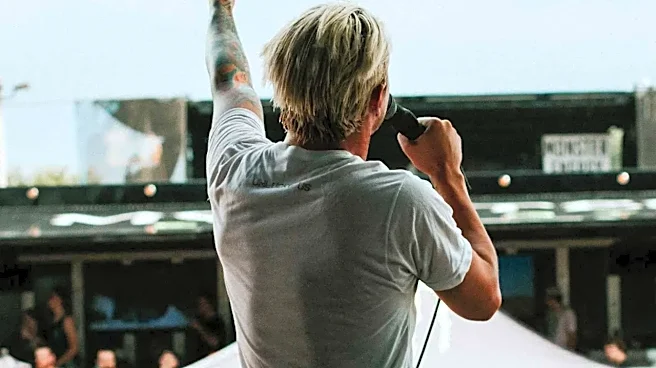
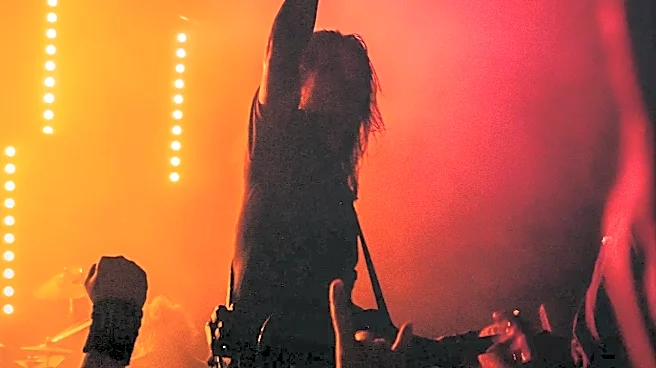
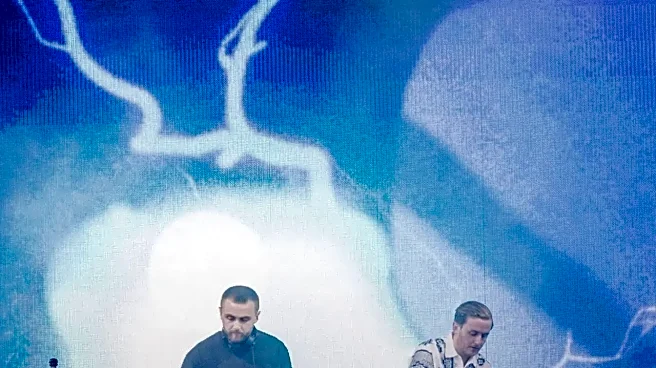
At a festival, a performer has to project to the furthest person. Their movements are bigger, their energy is broadcasted, and their interaction is with a massive, anonymous entity. It's a one-to-many performance, often relying on giant screens to give most of the audience a view of the action. The experience is about being part of a huge, collective moment. A club offers the opposite: intimacy. The artist can see individual faces, make eye contact, and feel the room's energy directly. This creates a feedback loop where the crowd's response fuels the performer and vice-versa. Instead of watching a broadcast on a screen, you're part of the performance itself, close enough to see the sweat and the genuine expressions on the musicians' faces. This sense of direct, personal connection is something a massive festival can rarely replicate.
The Vibe of the Crowd
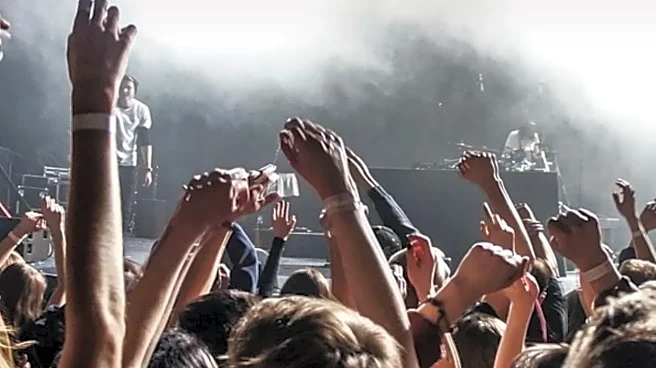
The audience's mindset also plays a huge role. Festival-goers are often there for the overall event experience—the friends, the food, the variety of acts. They might wander from stage to stage, and their energy is often part of a larger, herd-like mentality. The excitement is real, but it's diffuse and shared among dozens of artists. In a club, everyone is there for one reason: the headlining artist. This creates a focused, unified energy. The sense of community is smaller but often more intense. You are surrounded by people who love the same specific thing you do, which fosters a unique and powerful shared experience that resonates long after the show ends.