


The Director in the Hot Seat
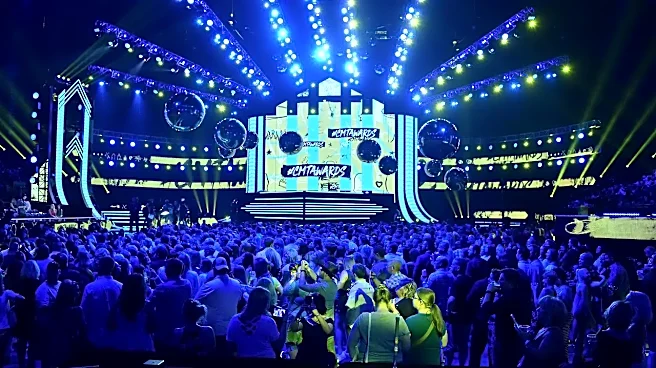
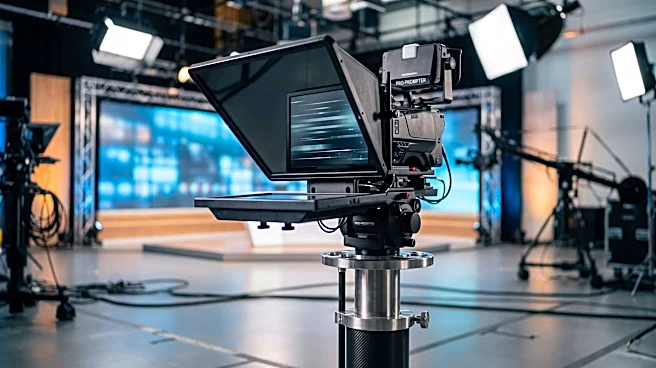
Imagine a dark room filled with glowing monitors, a voice calmly calling out commands like 'Ready camera three... take three... fade up music'. This is the nerve center of any live broadcast, and the show's director is its quarterback. Their job is to 'switch'
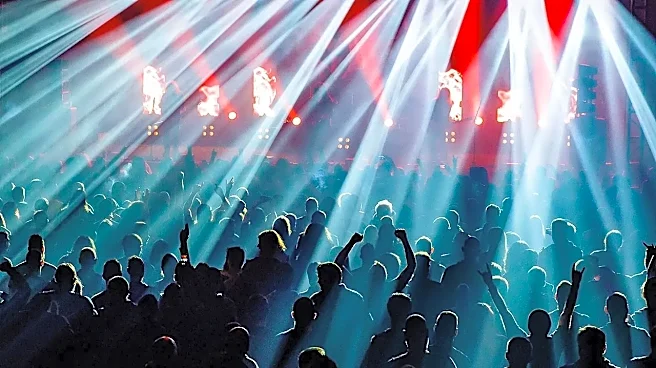
or cut between dozens of camera feeds in real-time to create the seamless program you see at home. In a musical performance, this isn't just about showing the singer. It's a rhythmic dance of close-ups on a guitar solo, wide shots of the stage, and audience reactions, all cut perfectly to the beat of the song. Every decision is made in a fraction of a second, and there are no do-overs. This process, known as live-switching, is an art form that blends technical skill with pure instinct.
The Nightmare of the Tempo Shift
For a director and their crew, a song with a steady, predictable beat is a welcome friend. The rhythm of the cuts can be planned, and the camera operators know when to expect their shot. But when an artist decides to shift gears mid-song—going from a slow, emotional ballad to a foot-stomping, up-tempo barn burner—it throws a wrench into the entire operation. Suddenly, the graceful, slow pans and long-held shots that worked for the ballad are completely wrong. The director has to instantly pivot the editing style to match the new, faster energy. It’s not just the camera cuts; lighting cues, graphical overlays, and even the live audio mix have to adjust on a dime. A missed cue can result in a jarring, awkward moment that breaks the magic of the performance.
This Year's Masterclass in Control
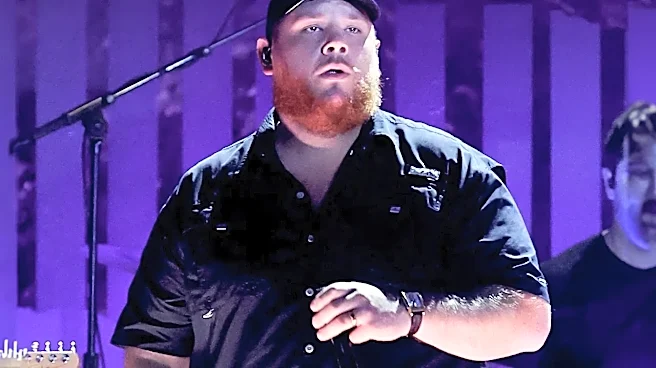
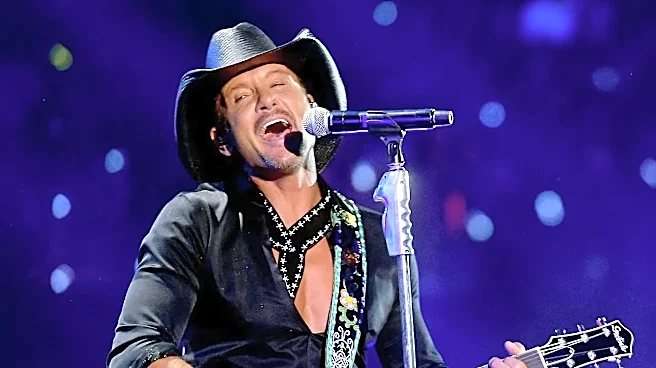
At this year's 2026 CMA Awards, viewers were treated to a prime example of this challenge during Sturgill Simpson's performance. The song began as a soulful, slow-burning ballad, with the cameras holding tight on his emotive delivery. Then, without warning, the band kicked into a blistering, fast-paced bluegrass breakdown. In the control room, this was the moment of truth. Instead of chaos, what viewers saw was a masterclass. The cuts became rapid-fire, moving from Simpson's flying fingers on the fretboard to the grins on his bandmates' faces, perfectly capturing the explosive shift in energy. Social media lit up with praise, not just for the music, but for the 'insane' camera work that kept pace with the musical virtuosity. It was a flawless execution of one of the hardest moves in the live broadcast playbook.
It Takes a Village
While the director makes the final calls, pulling off a seamless transition like that is a massive team effort. It requires camera operators who can anticipate the change, smoothly reframing their shots in seconds. It needs a lighting designer who can instantly switch the stage from an intimate spotlight to a high-energy wash of color. The audio engineer has to ensure the mix remains balanced as the volume and intensity spike. This team rehearses, but the magic of live music is its unpredictability. An artist might extend a solo or get caught up in the moment, and the entire production crew has to be ready to follow their lead, communicating non-verbally through headsets and pure, practiced instinct.