
The Tunnel as the New Front Row
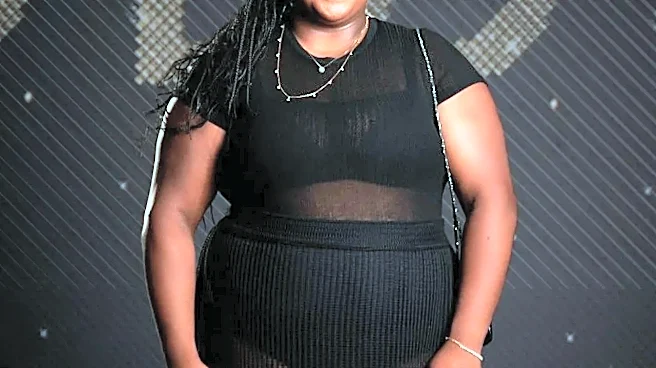
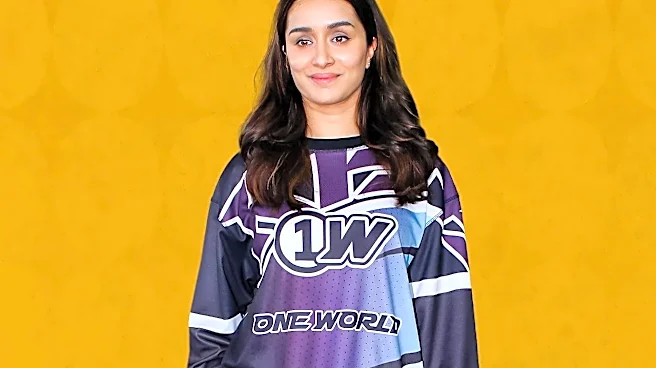
Not long ago, a pre-game arrival was just that: an athlete walking from the bus to the locker room. Today, it’s a calculated, culture-defining moment. The WNBA's 'tunnel walk' has become a phenomenon, a pre-game red carpet where players showcase their
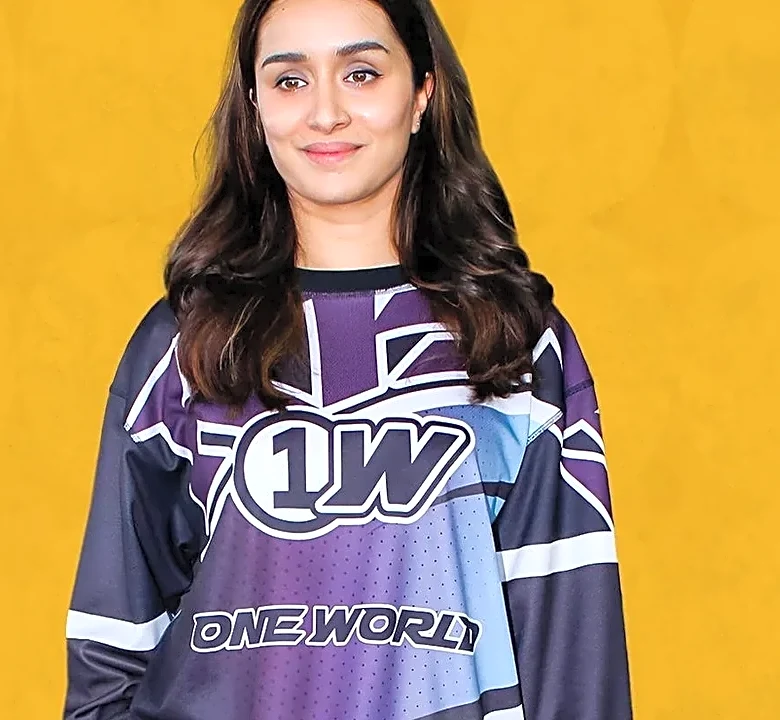
personal style. From custom designer looks to curated streetwear, players like DiDi Richards and Angel Reese are turning a concrete hallway into prime real estate for brand building. This isn't just about looking good; it's about communicating an identity. Each outfit is a piece of a personal brand narrative, telling fans who these women are beyond the box score. For a league seeing explosive growth in viewership and social media engagement, these fashion moments are powerful touchpoints, connecting players with a younger, style-conscious audience that's here for both the culture and the competition.
Authenticity Sells
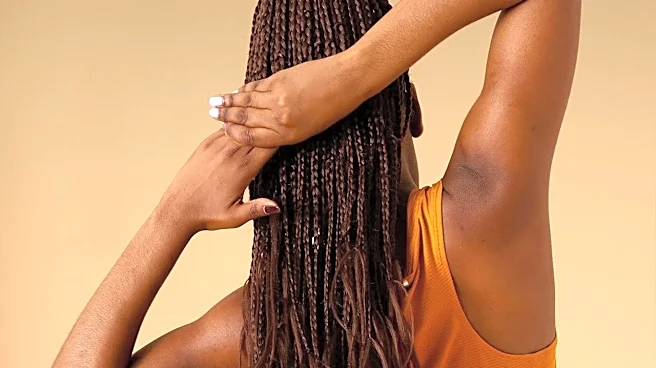
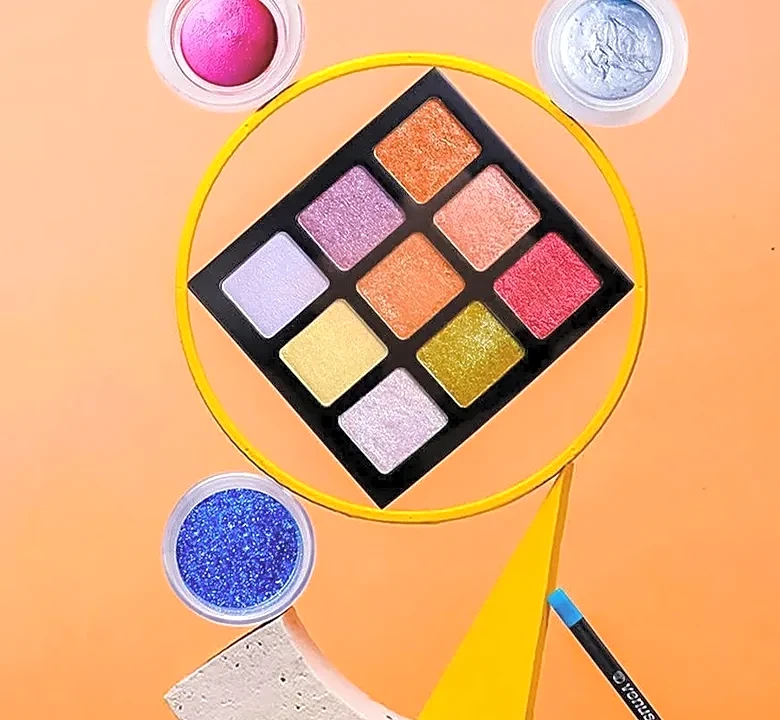
The most successful brands in this new landscape are built on authenticity. Two-time MVP A'ja Wilson, for example, has built an empire by being unapologetically herself. Her numerous endorsements, from Gatorade and Nike to Ruffles, aren't just about her on-court dominance. They're about her relatable personality, her advocacy, and her distinct style. When Nike launched her signature shoe, the A'One, it was marketed with the tagline, "Of course she got a shoe," a nod to her undeniable impact. Similarly, beauty brands like Glossier, Fenty Beauty, and Mielle Organics have partnered with the league and its players, recognizing that female athletes can redefine beauty standards and serve as powerful, authentic influencers. These partnerships work because they feel genuine; they celebrate the players for who they are, on and off the court.
The Double-Edged Sword of Visibility
While embracing fashion and beauty offers immense opportunity, it also navigates a complex history of expectations placed on female athletes. For decades, women in sports have faced a catch-22: be feminine enough to be marketable, but not so much that it calls your athletic seriousness into question. Players have received criticism for everything from wearing makeup and eyelash extensions to the length of their nails, with some online commentators suggesting it detracts from their focus on the game. Angel Reese has openly discussed this pressure, noting the contradictory criticism that WNBA players are either "too manly" or now "too much" into their appearance. However, the current movement feels different. Instead of conforming to externally imposed standards, players are taking control, using their platforms to express their multifaceted identities—as elite athletes, entrepreneurs, and style icons—on their own terms.
A Rising Tide Lifts All Boats
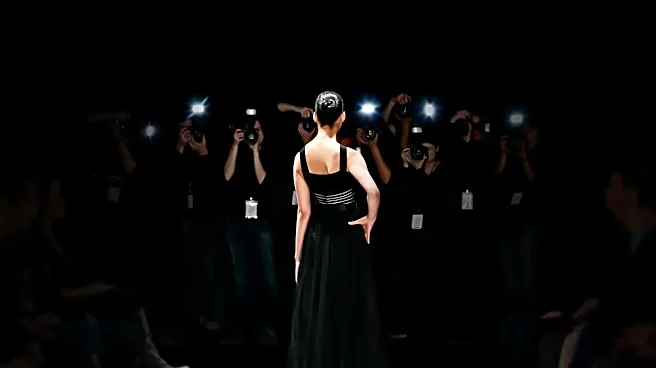
Ultimately, the rise of individual player brands is a massive win for the entire WNBA. When a player like Caitlin Clark signs a major deal with Nike or Angel Reese walks in a Victoria's Secret fashion show, it brings more eyeballs not just to them, but to the league as a whole. This cultural relevance is translating into real business metrics: soaring attendance, skyrocketing merchandise sales, and a 43% rise in team sponsorship deals since 2022. Brands from tech and finance to beauty and automotive are investing because they see a league with a passionate, engaged, and rapidly growing fanbase. The players' ability to build their own brands creates more stars, more storylines, and more entry points for new fans. They might come for the fashion, but they stay for the incredible display of athleticism—proving that in the modern WNBA, style and substance are a winning combination.