




The Quarterback Who Couldn't Win The Big One
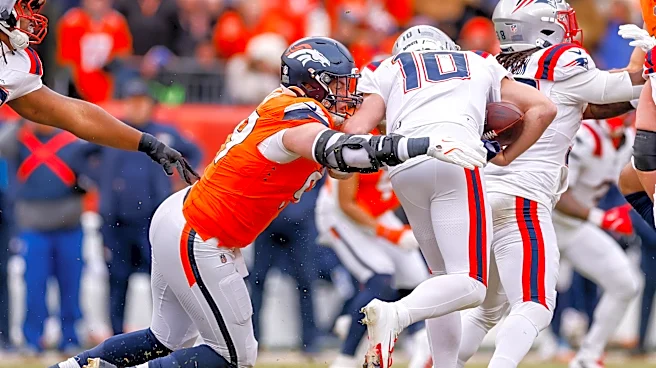
For well over a decade, John Elway was the brilliant, tragic hero of the NFL. Drafted first overall in 1983, he had a rocket for an arm and a gunslinger’s mentality that made the Denver Broncos perennial contenders. He was famous for his comebacks, most
notably “The Drive” in the 1986 AFC Championship game. But his greatness was always accompanied by an asterisk. He led the Broncos to three Super Bowls in the late 1980s and lost them all—decisively. The narrative was set: Elway was a phenomenal talent who, for whatever reason, couldn't secure the ultimate prize. He was the guy who could get you there, but could never finish the job. For many, that was destined to be his legacy.
A Perfect Ending in Denver
Then came the twilight of his career. At an age when most quarterbacks are either retired or holding a clipboard, a 37-year-old Elway led the Broncos back to the Super Bowl in 1998. In a defining moment against the Green Bay Packers, the aging quarterback put his body on the line, scrambling for a crucial first down and spinning through the air in what became known as “The Helicopter” play. It was a symbol of his desperation and will to win. The Broncos won, finally breaking the curse. Not content with just one, Elway did it again the following year, winning a second consecutive Super Bowl at age 38 and being named the game’s MVP before riding off into the sunset. The championships didn't just add to his legacy; they redefined it.
The Dutch Counterpart
Across the Atlantic, a similar story was unfolding, albeit on a different timeline. Edwin van der Sar was a prodigy, winning the Champions League—European club soccer’s highest honor—with a legendary Ajax team in 1995. But what followed was a meandering path. A difficult two-year spell at Italy's Juventus saw him lose his starting spot, and he made a surprise move to newly-promoted English club Fulham in 2001. While respected, it was seen as a step down. For four seasons, one of the world's most talented goalkeepers played for a mid-table team, far from the spotlight he had known. It seemed his best days, and his chances at another major trophy, were behind him.
The Calm Hand on the Trophy
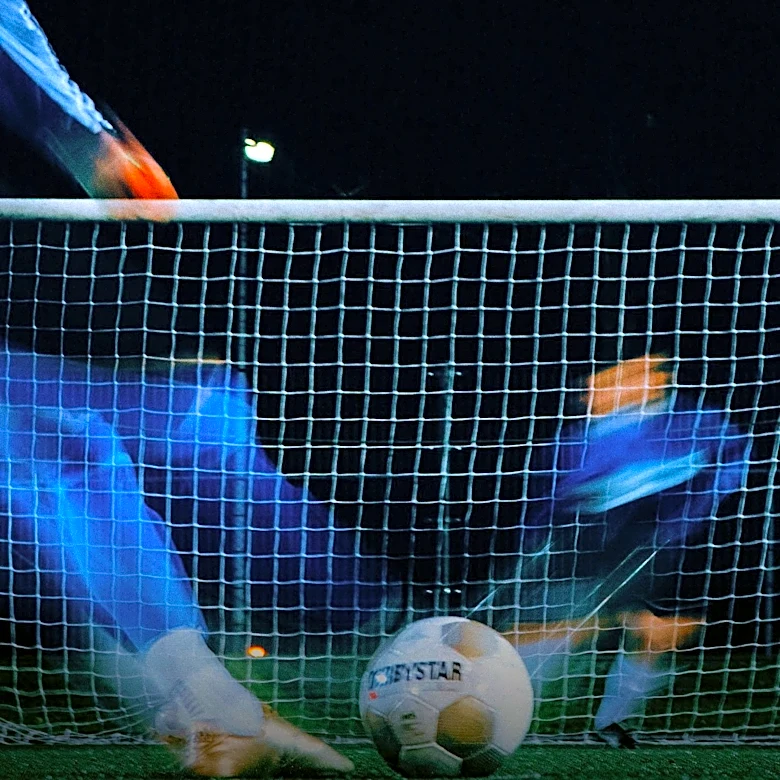
In 2005, at the age of 34, van der Sar got his second chance, signing with global powerhouse Manchester United. It was a move that transformed the club and the player's career. Over six years, he won four Premier League titles. His defining moment came in the 2008 Champions League final. At 37 years old—the same age as Elway during his first late-career triumph—the final against Chelsea went to a penalty shootout. Known for his unflappable demeanor, van der Sar meticulously studied his opponents' tendencies. In the pouring Moscow rain, he calmly saved the decisive penalty from Nicolas Anelka, sealing the ultimate victory and what he called the "highlight" of his career.
Anatomy of a Late-Career Peak
The connection between Elway and van der Sar goes beyond winning late. It’s about how they did it. Both were defined by an almost preternatural calm under the most extreme pressure. Elway had “The Drive”; van der Sar had his shootout heroics. They weren't just physically gifted; they were intelligent players who adapted their games as they aged. Elway became a more calculated game manager, while van der Sar relied on positioning and experience as much as reflexes. More importantly, neither was broken by earlier career disappointments—Elway's Super Bowl losses or van der Sar’s humbling exit from Juventus. That mental fortitude allowed them to seize their final, career-defining opportunities when they arrived.