



A Summer Solstice and Scrap Wood
The story of Burning Man starts not in the desert, but on Baker Beach, with the Golden Gate Bridge in the distance. In June 1986, a man named Larry Harvey was looking for a way to mark the summer solstice and, as some versions of the story go, move past
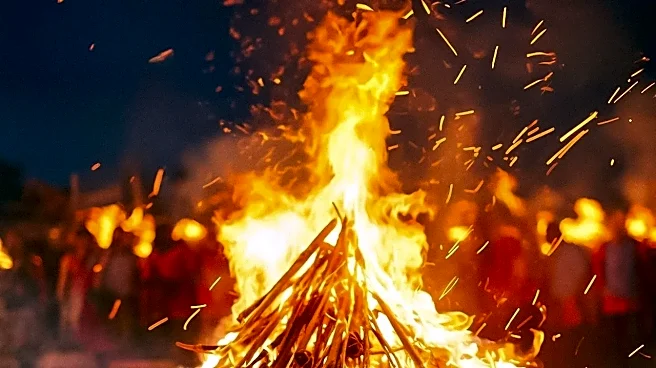
a recent heartbreak. He called his friend Jerry James, a carpenter, with a strange idea: "Let's burn a man, Jerry." That afternoon, they cobbled together an eight-foot-tall wooden figure from scrap lumber. With a small group of friends, they dragged it to the beach, doused it in gasoline, and set it alight. Harvey later described it as a simple, spontaneous act of "radical self-expression." As the figure burst into flames, a curious crowd of strangers was drawn to the fire, with some instinctively joining the circle, transforming a private gesture into an impromptu public event.
From the Beach to the Black Rock Desert
The beach burn became an annual tradition, with the wooden man growing taller each year. By 1988, the event was officially named "Burning Man." But as the effigy reached 40 feet and the crowds swelled into the hundreds, the freewheeling gathering caught the attention of the authorities. In 1990, the Golden Gate Park Police prohibited the burn, citing fire danger. The Man was built, but couldn't be burned. This could have been the end, but members of the San Francisco Cacophony Society—a group known for organizing bizarre and artistic public events—had a solution. They invited Harvey to bring the effigy on their upcoming trip to a vast, desolate, and lawless landscape 100 miles north of Reno: the Black Rock Desert. That Labor Day weekend, in front of about 90 people, the Man burned again, establishing a new, more isolated, and much larger home for the ritual.
The Man as a Communal Centerpiece
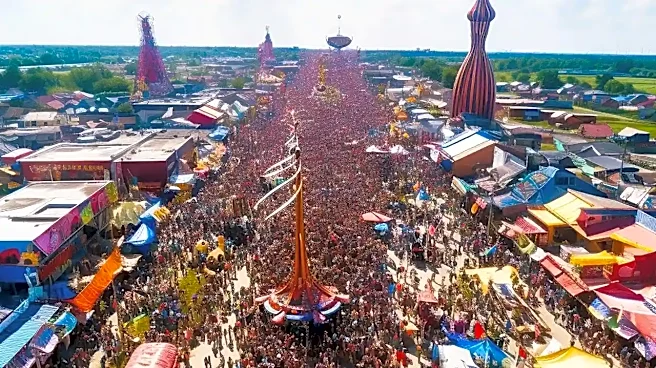
In the vastness of the desert, both the event and the effigy were free to grow exponentially. The Man was no longer just a figure to be burned; he became the geographical and spiritual center of a temporary city. Each year, Black Rock City is designed with the Man at its core, from which all streets radiate. The design of the effigy itself became more elaborate, eventually standing atop complex, themed pavilions that participants could explore before the final night. The burn transformed from a simple bonfire into a highly orchestrated, pyrotechnic ceremony marking the culmination of the week-long event. It became the primary ritual, a shared experience that unites tens of thousands of people on the Saturday night before Labor Day.
A Ritual of Release and Renewal
So why burn it? The meaning is intentionally open to interpretation, a core tenet of the event. For many, the burn is a powerful act of letting go. It symbolizes shedding personal baggage, anxieties, and the constraints of the outside world. It is a spectacle of impermanence, a reminder that all things, even immense and beautiful creations, are temporary. Burning months of work reinforces the idea that the value lies in the experience, not the object. For others, it is a moment of pure, unadulterated celebration—a rebellion against conformity and consumer culture. This act of communal destruction serves as a powerful form of renewal, clearing the slate for a new beginning, much like a forest fire makes way for new growth. The flames that consume the Man represent a collective release, a cathartic end to a week of radical self-expression and community.