



The Psychology of Hue
Before a single laser slices through the desert air, designers are thinking about emotional temperature. It’s no accident that a hardstyle set bathed in aggressive reds and strobing whites feels fundamentally different from a dreamy trance set awash in deep
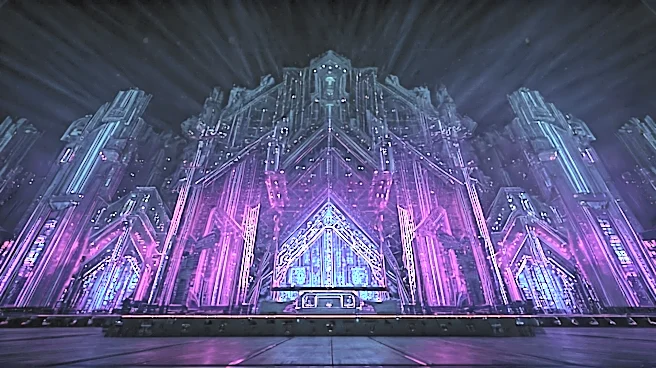
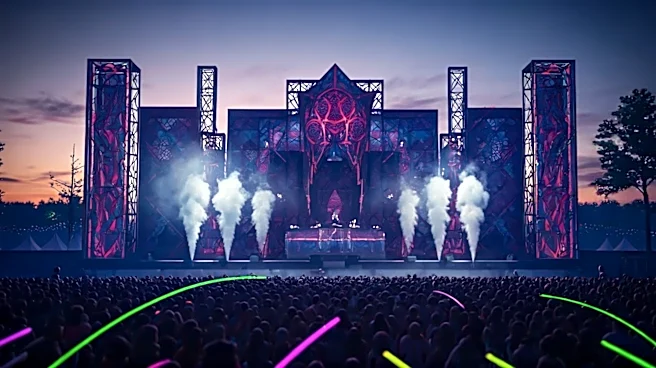
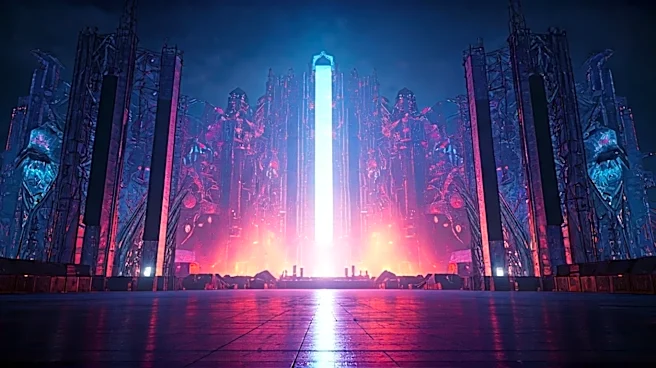
blues and purples. This is color psychology on a massive scale. Red triggers feelings of energy, passion, and even aggression—perfect for a high-BPM drop that demands physical response. Blue, conversely, has a calming, introspective effect, often used to build tension or create moments of serene, hands-in-the-air unity. Greens can evoke a sense of the organic and otherworldly, a staple for psychedelic trance, while vibrant pinks and golds create a sense of pure, unadulterated joy and euphoria. At EDC, VJs (video jockeys) and lighting directors aren't just pushing buttons; they're painting with feelings, using an established emotional shorthand to unify the sonic and visual experience.
Crafting a Set's Narrative Arc
A great DJ set is a journey, with peaks, valleys, and a cohesive story. The color palette is the visual chapter marker for that story. Watch any headlining set at kineticFIELD or circuitGROUNDS, and you'll see a deliberate progression. An artist might open with cool, inviting tones like blue and cyan to draw the audience in, creating a sense of wonder. As the set builds, they'll introduce warmer colors—yellows and oranges—to ramp up the energy. The climax, or the 'drop,' is often a full-sensory assault of fiery reds, stark whites, and intense strobing that mirrors the sonic explosion. But the story doesn’t end there. Following an intense peak, the palette might resolve into a warm, communal gold or a pure, clean white, signaling a moment of shared release and collective catharsis. This arc—from cool anticipation to fiery peak to warm resolution—is a classic storytelling structure, told entirely through light.
Directing Focus on a Massive Canvas
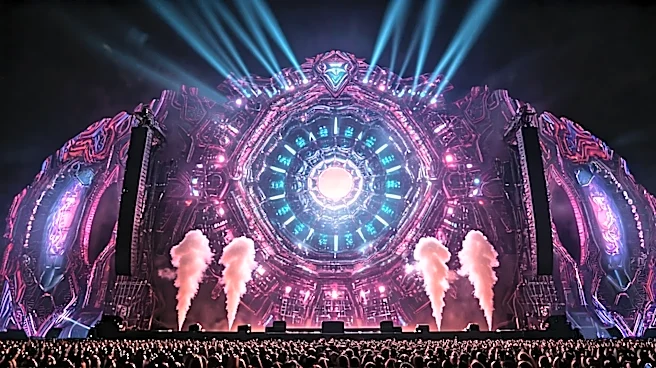
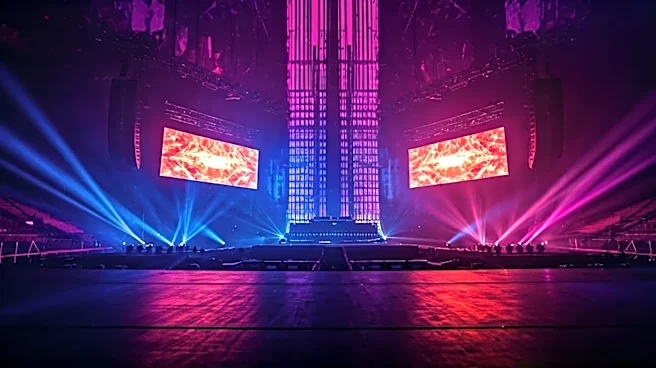
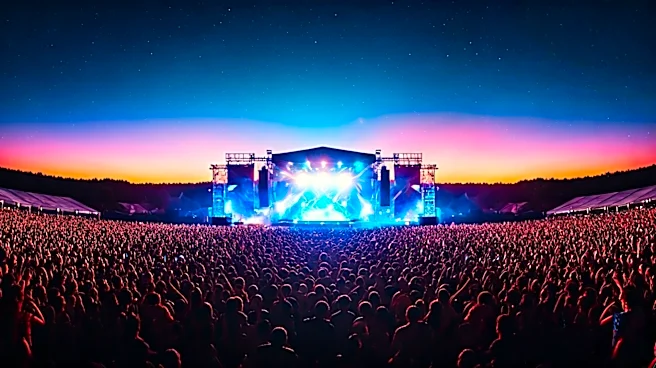
EDC stages are gargantuan, multi-layered architectural marvels. With dancers, pyrotechnics, and sprawling LED screens all competing for attention, color becomes a crucial tool for directing the audience's gaze. It’s visual crowd control. Designers use the principle of contrast to make sure you see what they want you to see. If the main screen is pulsing with cool blue data-moshing visuals, a single spotlight of warm amber on the DJ makes them the undeniable focal point. During a vocal-led track, the lighting might soften and converge on the center stage, creating intimacy in a space built for 200,000 people. Conversely, to showcase the sheer scale of the stage, a designer might use a monochromatic sweep of color across the entire structure, highlighting its epic design. Without this deliberate use of color to create focal points and manage visual hierarchy, the spectacle would devolve into beautiful but incomprehensible chaos.
The Tech Behind the Technicolor
This level of intricate, real-time storytelling is only possible because of the bleeding-edge technology powering the festival. Modern LED panels have an incredibly wide color gamut, allowing for millions of subtle shades that weren't possible a decade ago. High-powered lasers can cut through the visual noise with surgically precise beams of pure, saturated color. But the real brain of the operation is the software and the people running it. VJs and lighting directors use powerful consoles and programs like grandMA and Resolume to layer colors, effects, and video content in real time. They often have a library of pre-programmed cues, but the best operators are improvising, 'playing' the lights like an instrument in response to the DJ and the energy of the crowd. This synergy between artist, lighting director, and technology is what allows a static stage to become a living, breathing character in the EDC narrative.