
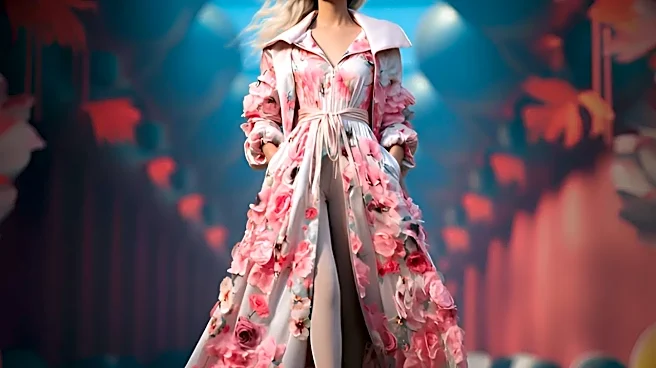


Start with a Thin Base Layer
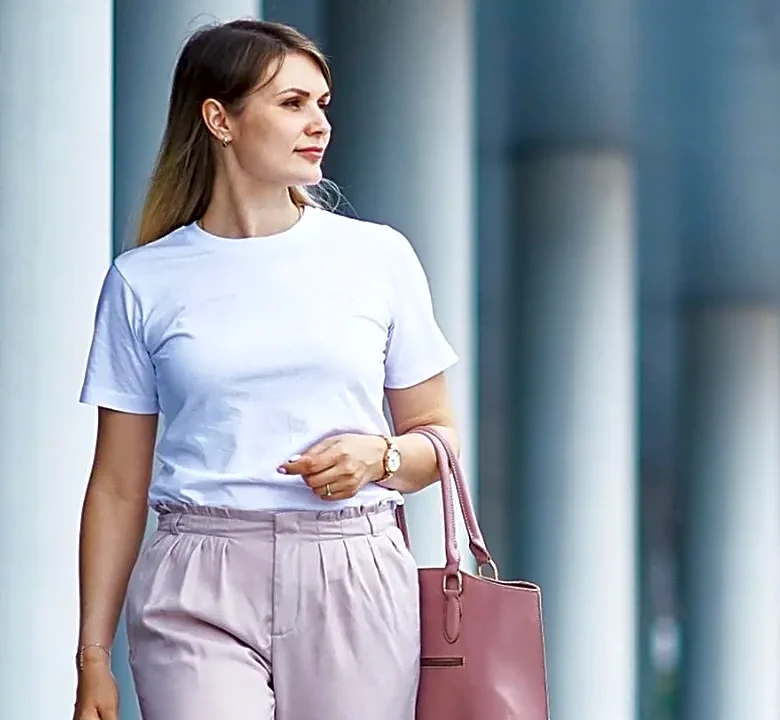
The foundation of any successful layered outfit is what’s closest to your skin. Before you even think about that statement coat, begin with a thin, fitted piece. This could be a fine-knit turtleneck, a simple crewneck tee, or a silk camisole. The rule
is simple: thin fabric goes under thick fabric. A lightweight layer prevents that bulky, bunched-up feeling around your shoulders and arms that happens when you try to force a chunky sweater under a tailored jacket. Starting with a sleek base ensures that every subsequent layer drapes correctly, maintaining your silhouette instead of hiding it.
Mix Textures for Depth
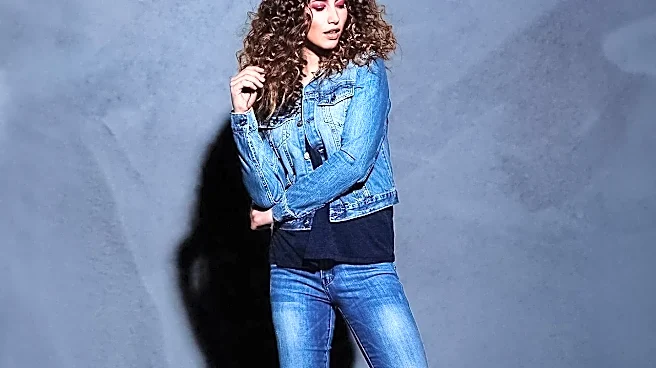
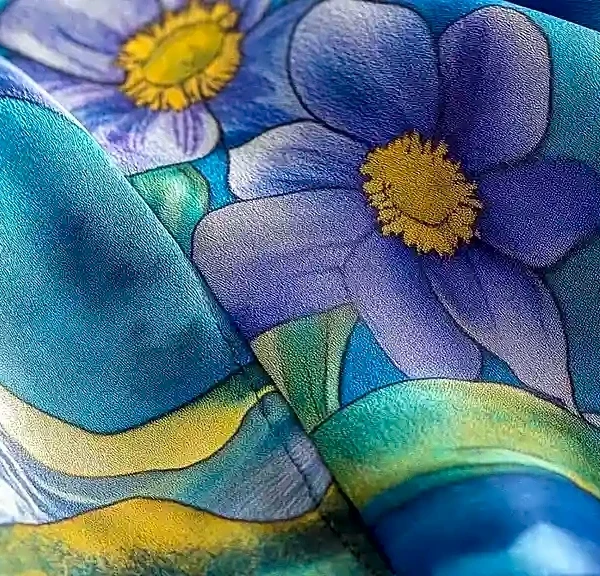
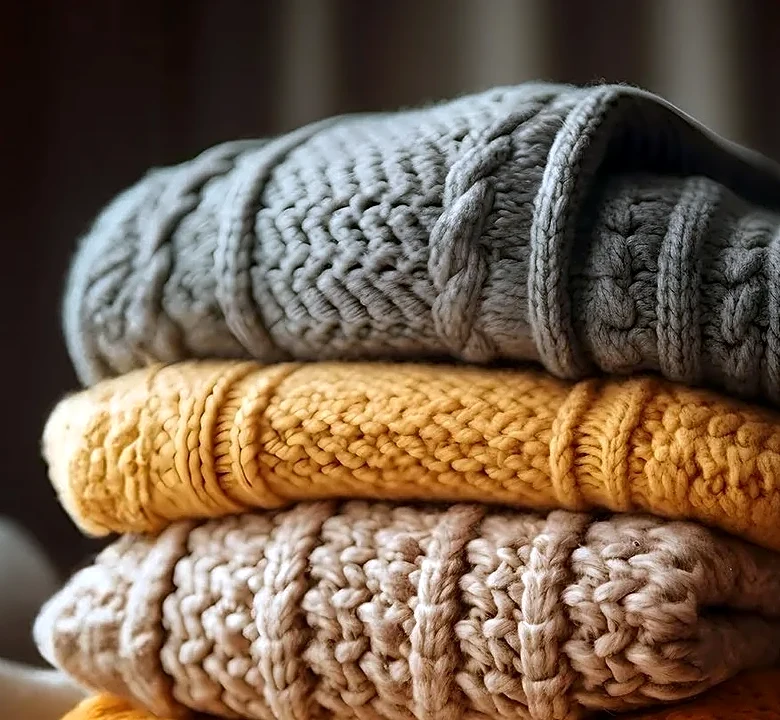
One of the most effective tricks seen on the streets of London is the artful mix of textures. An outfit built from materials that are all the same weight can look flat and heavy. Instead, create visual interest by pairing contrasting fabrics. Think of a soft, chunky knit sweater worn over a sleek satin slip skirt, a crisp cotton shirt under a relaxed suede jacket, or a rugged denim jacket softening a romantic floral dress. This fall, street style stars showed how texture does the work for you, making even a simple color palette feel rich and intentional. The goal is to create a tactile conversation between your clothes—the smoothness of leather against the roughness of wool, or the delicacy of lace peeking out from under a structured blazer.
Play with Proportions: Short Over Long
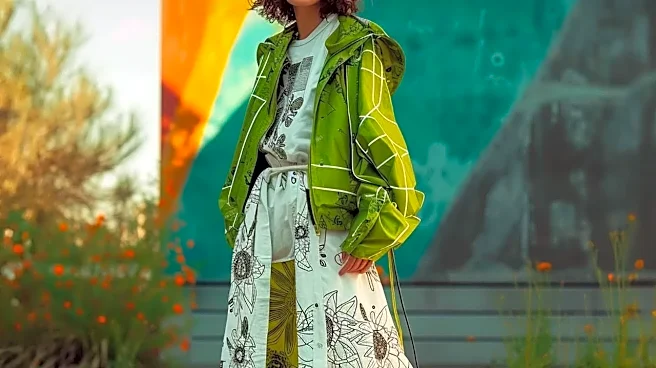
A foolproof way to avoid looking overwhelmed by your clothes is to play with proportions, and the easiest formula is the “short-over-long” rule. This involves pairing a shorter top layer with a longer piece underneath. It’s a trick that was visible in the way London’s fashion set approached transitional weather. You can try a cropped jacket over a longer button-down shirt, a waist-length cardigan over a midi dress, or even a boxy, shorter trench over tailored trousers. This technique helps define your waist and gives your outfit a clear, structured shape, preventing the dreaded shapeless blob that can happen with multiple long layers.
Choose One 'Anchor' Piece
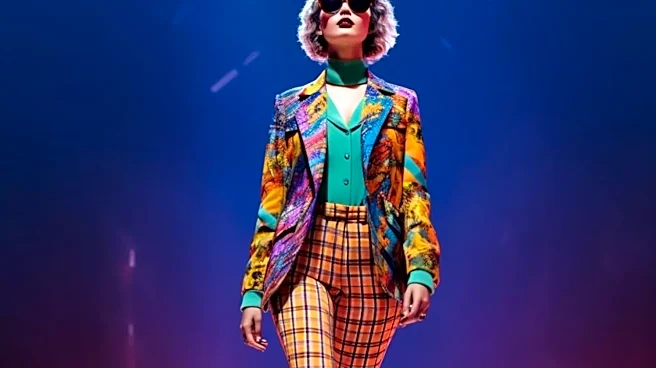
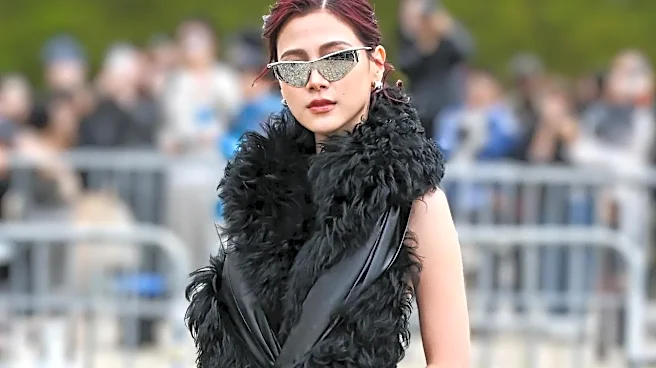
An outfit with too many statement pieces can feel chaotic. To make your layering look intentional, choose one “anchor” piece and let everything else play a supporting role. This was a key takeaway from the recent London shows, where outfits were built around a single strong idea—be it a coat in a bold color, a jacket with a sharp shoulder, or a piece with dramatic texture like fringe. If your coat is the hero, keep the layers underneath quiet and in neutral tones. If you’re wearing a voluminous skirt, pair it with a simple, fitted top. This principle of balance is what separates a thoughtful outfit from one that feels accidental. It ensures your look has a clear point of view.
Use Your Third Piece Strategically
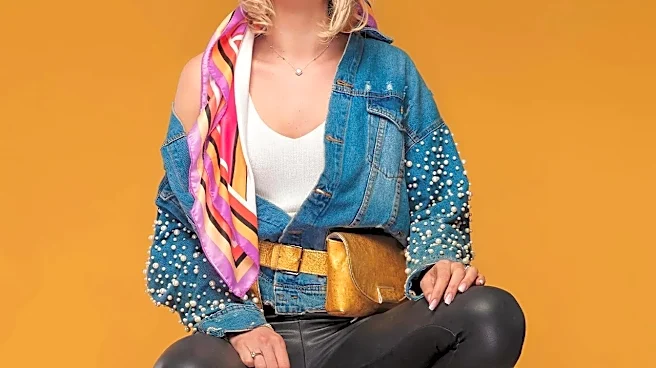
The “third piece” is often what elevates a simple base into a full-fledged outfit. This can be a blazer, a vest, an overshirt, or even a well-chosen scarf. It’s the layer that adds personality and pulls everything together. Inspired by London's knack for practical yet stylish dressing, think of this piece as your problem-solver. A tailored vest can add structure to a simple shirt-and-jeans combo. A plaid overshirt brings pattern and a relaxed feel to a neutral base. Even a scarf, draped loosely instead of tightly wrapped, can add a finishing touch and a bit of shape without adding bulk. This final layer is your chance to add a pop of color, a different texture, or a more defined shape.