



In the canon of great Thanksgiving scenes, one stands defiantly apart. It’s not about heartwarming togetherness, but a glorious, fiery rebellion. Decades later, Wednesday Addams’ righteous takedown in 'Addams Family Values' feels more vital than ever.
A Play Within a Nightmare
The setup is a particular kind of suburban horror story: summer camp. After being exiled to the relentlessly cheerful Camp Chippewa, Wednesday (Christina Ricci) and Pugsley (Jimmy Workman) are forced to participate in the annual Thanksgiving play. The camp is run by the excruciatingly peppy Gary Granger and Becky Martin-Granger, who cast the popular, blonde, and privileged kids as the Pilgrims. The Addamses and their fellow outcasts—the nerdy, the non-white, the kids with glasses—are relegated to playing the Native Americans. The play itself, a saccharine musical number titled 'A Turkey Named Brotherhood', is meant to reinforce the sanitized, grade-school version of the first Thanksgiving: a peaceful meal between friendly newcomers and welcoming locals. This idyllic stage is perfectly set for a takedown of historic proportions.
The Monologue That Burned Down the Myth
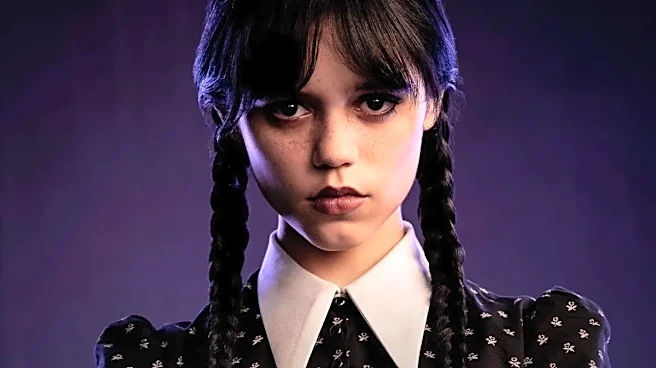
Cast as Pocahontas opposite the perky Amanda Buckman's Pilgrim leader, Wednesday initially plays along with a chillingly fake smile. Then, she breaks character. 'Wait,' she says with her signature deadpan delivery. 'We cannot break bread with you.' What follows is a monologue, penned by screenwriter Paul Rudnick, that systematically dismantles the cozy Thanksgiving myth. 'You have taken the land which is rightfully ours,' she declares. 'Years from now, my people will be forced to live in mobile homes on reservations. Your people will wear cardigans and drink highballs... My people will have pain and degradation. Your people will have stick shifts.' The speech doesn't just reject the play's premise; it reframes American history from the perspective of the vanquished, all in front of an audience of horrified, affluent parents.
An Uprising of the Outsiders
The speech culminates in a declaration of war: 'And for all of these reasons, I have decided to scalp you and burn your village to the ground.' What erupts is pure, joyous anarchy. Wednesday's tribe of misfits launches an all-out assault, binding the Pilgrim actors, setting the stage ablaze, and roasting the camp counselors on a spit. The chaos isn't just for comedic effect; it's a symbolic uprising. As Rudnick pointed out, Wednesday becomes a 'social justice warrior' long before the term was common, leading a rebel faction of the forgotten and marginalized against their oppressors. The scene is a cathartic revenge fantasy for anyone who has ever felt like an outcast, using the camp's social hierarchy—the popular kids versus the 'weirdos'—as a perfect stand-in for a much larger historical conflict.
Why It Still Resonates
The scene’s endurance comes from its brilliant subversiveness. It smuggled a biting critique of colonialism and the whitewashing of history into a mainstream family comedy. For many millennials, it was their first exposure to the idea that the Thanksgiving story they learned in school was incomplete and deeply problematic. While some elements, like casting non-Native actors, are viewed more critically today, the core message remains potent. It uses the Addams Family’s core identity—gleeful outcasts who see the darkness others ignore—to speak a profound truth. The scene argues that true family values involve questioning comfortable lies, not blindly accepting them. The fact that this message is delivered by a deadpan pre-teen with a penchant for arson only makes it more iconic and unforgettable.