






The Logic of Emotional Evolution
The case for *Inside Out 2* was always incredibly clear. The original 2015 film, born from director Pete Docter’s observations of his own daughter, gave us a universal language for our inner lives. It ended with 12-year-old Riley Andersen getting a newly
expanded emotional console, hinting at the complexity to come. The sequel simply picks up that thread. By introducing Anxiety, Envy, Ennui, and Embarrassment, *Inside Out 2* explores the tumultuous, messy, and universally relatable experience of becoming a teenager. It’s not just a continuation; it’s a necessary escalation of the core premise. The film feels personal because its central conflict—the battle between our foundational childhood emotions and the chaotic new feelings of adolescence—is a story that happens inside all of us. It’s a sequel that deepens the original’s thesis rather than just revisiting its characters. The story’s engine is a biological and psychological inevitability, making the narrative feel earned, organic, and deeply personal to anyone who has ever survived being 13.
A Perfect Ending, Twice Over
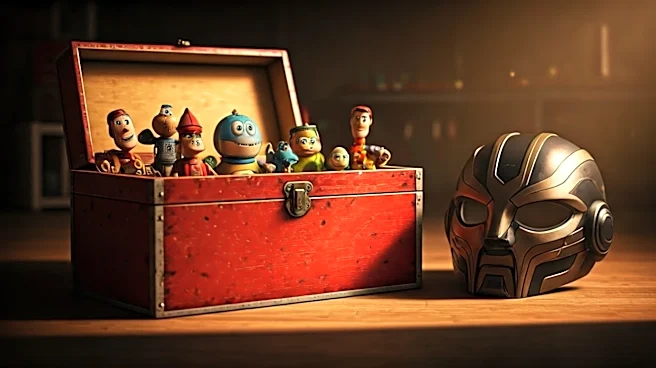
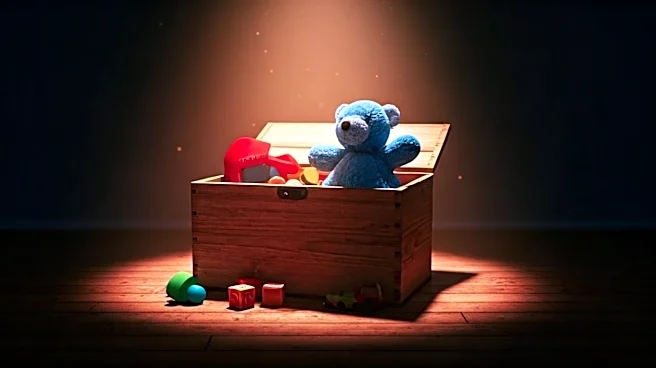
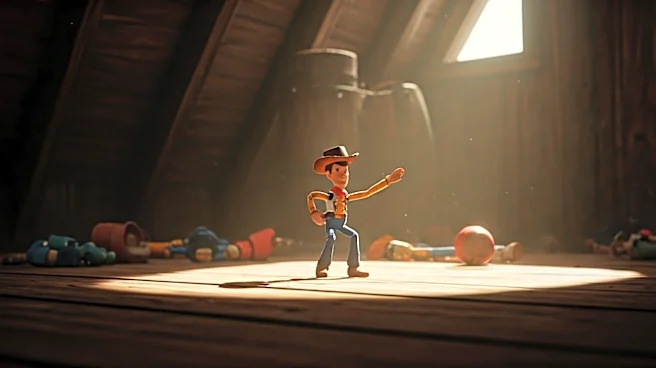
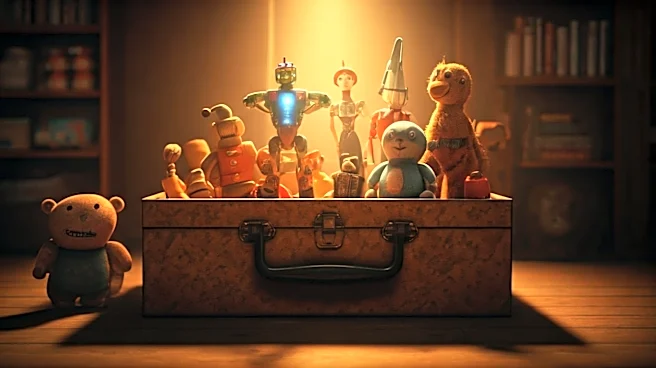
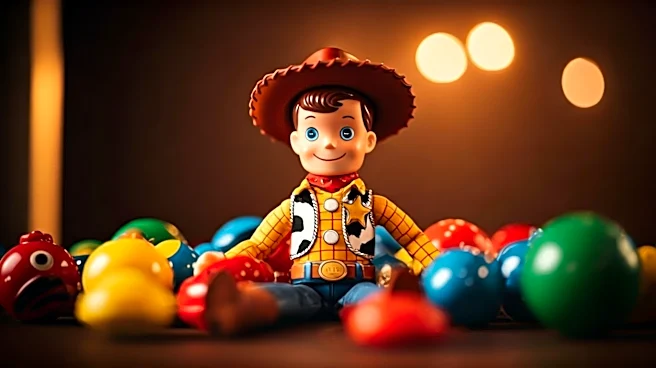
The argument against *Toy Story 5* has nothing to do with a lack of love for its characters. It’s about narrative finality. *Toy Story 3* delivered what many consider one of the most perfect endings in cinema history. Andy’s bittersweet handover of his cherished toys to Bonnie was a beautiful, gut-wrenching metaphor for growing up, saying goodbye, and passing on a legacy of love. It was a story about the owner, not just the toys. Then came *Toy Story 4*, a film many were skeptical of, which managed to justify its existence by giving Woody his own perfect ending. By choosing a new life with Bo Peep, he finally completed his own character arc, moving from a loyal servant to an independent being. The story was closed. A fifth installment risks feeling like an epilogue to an epilogue. It begs the question: what emotional truth is left to explore? The personal connection audiences have with *Toy Story* is tied to these powerful goodbyes. Reopening that toy box risks cheapening the very moments that made the franchise so profound.
Creator-Driven vs. Franchise-Mandated
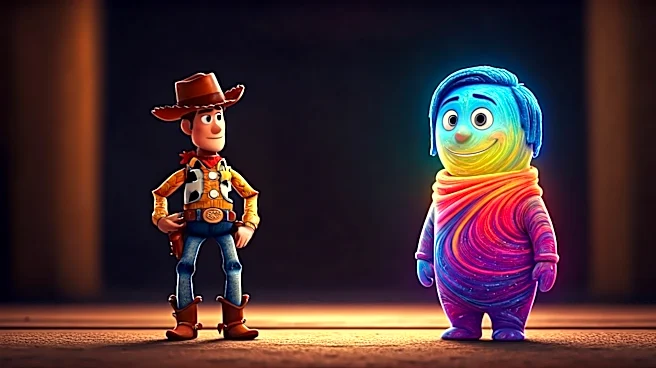
Beyond the narratives themselves, the perceived intent behind each sequel colors how “personal” it feels. *Inside Out* was a passion project, a high-concept original that became a phenomenon. Its sequel, while also a savvy business move, flows directly from that initial creative spark. It feels like the second chapter of a book the author always intended to write. In contrast, the announcement of *Toy Story 5* (along with a *Frozen 3*) came at a time when Pixar and its parent company, Disney, were openly course-correcting after a series of original films like *Luca*, *Turning Red*, and *Elemental* saw more modest box-office returns. While Pixar’s CCO Pete Docter insists their strategy is about balancing sequels with originals, the timing makes *Toy Story 5* feel less like a story bursting to be told and more like a dependable asset being redeployed. It feels, from the outside, like a decision driven by a corporate mandate to leverage a proven success, which immediately puts it at a disadvantage in the “personal” category.
What Makes a Sequel Feel Personal?
Ultimately, a sequel’s personal resonance isn’t just about seeing beloved characters again. It’s about whether the new story honors and deepens the emotional core of what came before. *Inside Out 2* works because it posits that emotional growth is an ongoing story. Its premise is inherently sequential; of course Riley’s inner world would change as she aged. The film asks a new question: What happens when your sense of self is hijacked by anxiety? That’s a personal journey that adds a new layer to the original. *Toy Story 5* faces a much harder task. The franchise’s core themes of loyalty, obsolescence, and the pain of being outgrown have been thoroughly and beautifully explored. To feel personal, it must find a completely new, equally resonant emotional truth without invalidating the powerful conclusions of the last two films. It has to justify its existence not just with fun adventures, but with a new reason for us to care so deeply about a pull-string cowboy who has already said his goodbyes.